

More Than Just a Side Dish
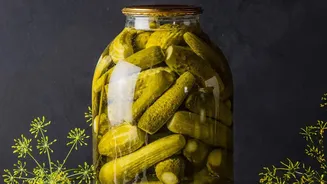
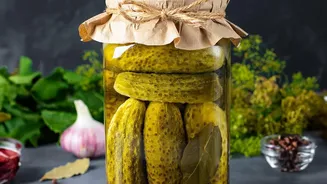
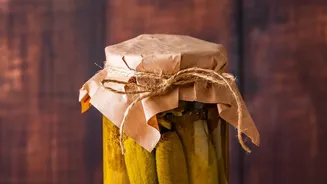
For generations, the ceramic jar, or 'martaban', of achaar has been a fixture on Indian dining tables. It’s the fiery, tangy, and complex flavour bomb that can elevate a simple plate of dal and rice into a memorable meal. But to call a pickle a mere side
dish is to miss the point entirely. Indian pickles are an indispensable part of the country's culinary fabric, acting as edible histories passed down through generations. Each jar tells a story of a specific region, a family's secret recipe, and the very climate it was born in. Whether packed in a lunchbox or sent to a loved one living far from home, a bottle of pickle carries significant emotional weight, representing care, tradition, and the unmistakable taste of home.
A Map of Flavours in a Jar
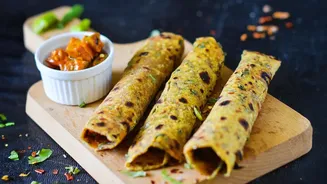
The diversity of Indian pickles is a testament to the country's vast geography and culture. Each state offers a unique flavour profile shaped by local produce and distinct culinary philosophies. In the south, Andhra Pradesh is famous for its fiery and pungent Avakaya, a raw mango pickle made with a generous amount of mustard powder and dried red chillies. Travel west to Gujarat, and you'll find the sweet and sour grated mango pickle known as Chhundo, a perfect companion to theplas. The North is dominated by mustard oil-based pickles, with Punjab's spicy mixed vegetable and stuffed red chilli pickles being perennial favourites. Meanwhile, Eastern India, particularly Bengal, offers mustard-based flavours like Kasundi and sweet fruit pickles, while the Northeast showcases unique varieties made from bamboo shoots and fiery local chillies.
The Resurgence of Tradition
In recent years, there has been a noticeable shift. More people are seeking out these authentic, regional pickles, moving beyond the few mass-produced varieties that have long dominated store shelves. This trend is partly driven by a desire for comforting and familiar flavours, especially as hectic lifestyles and nuclear families have reduced the tradition of large-batch pickle making at home. This gap is being filled by a growing number of small-scale businesses and home chefs, many led by women, who are reviving heirloom recipes and making them accessible online. Leveraging social media, these entrepreneurs are finding a ready market of consumers eager for pickles that are handmade, preservative-free, and taste just like their grandmother used to make.
A Spoonful of Wellness
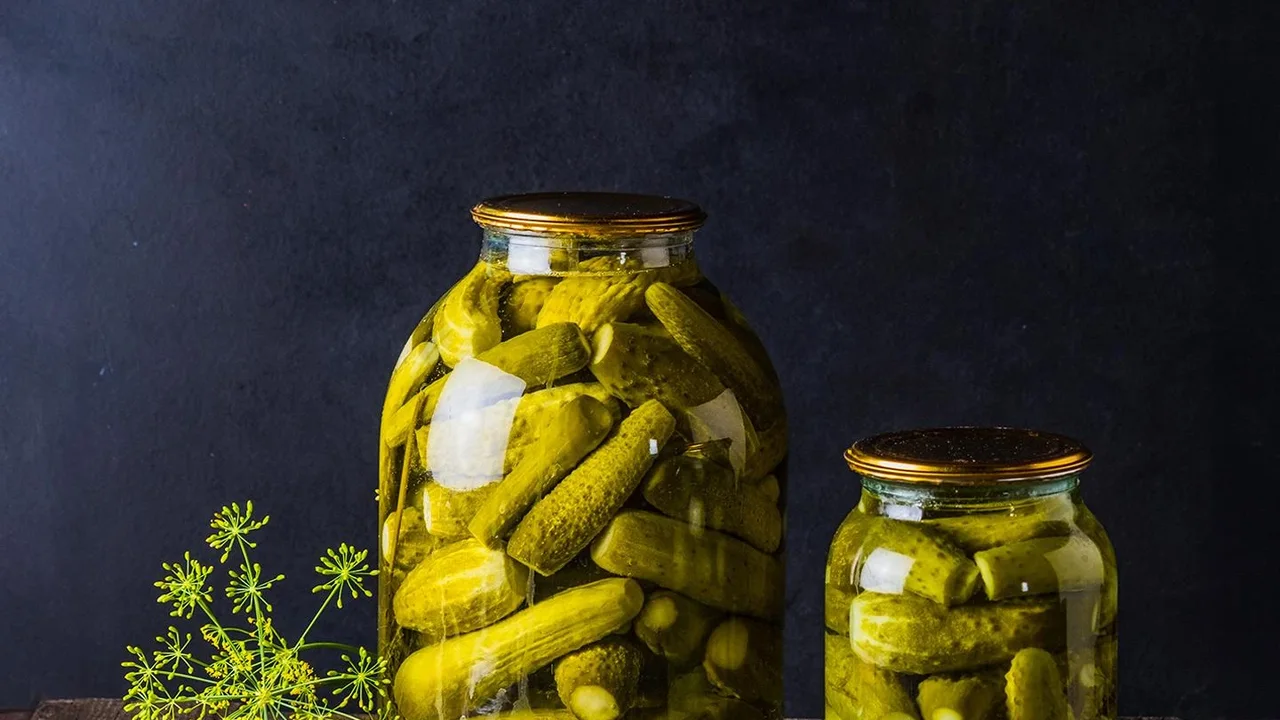
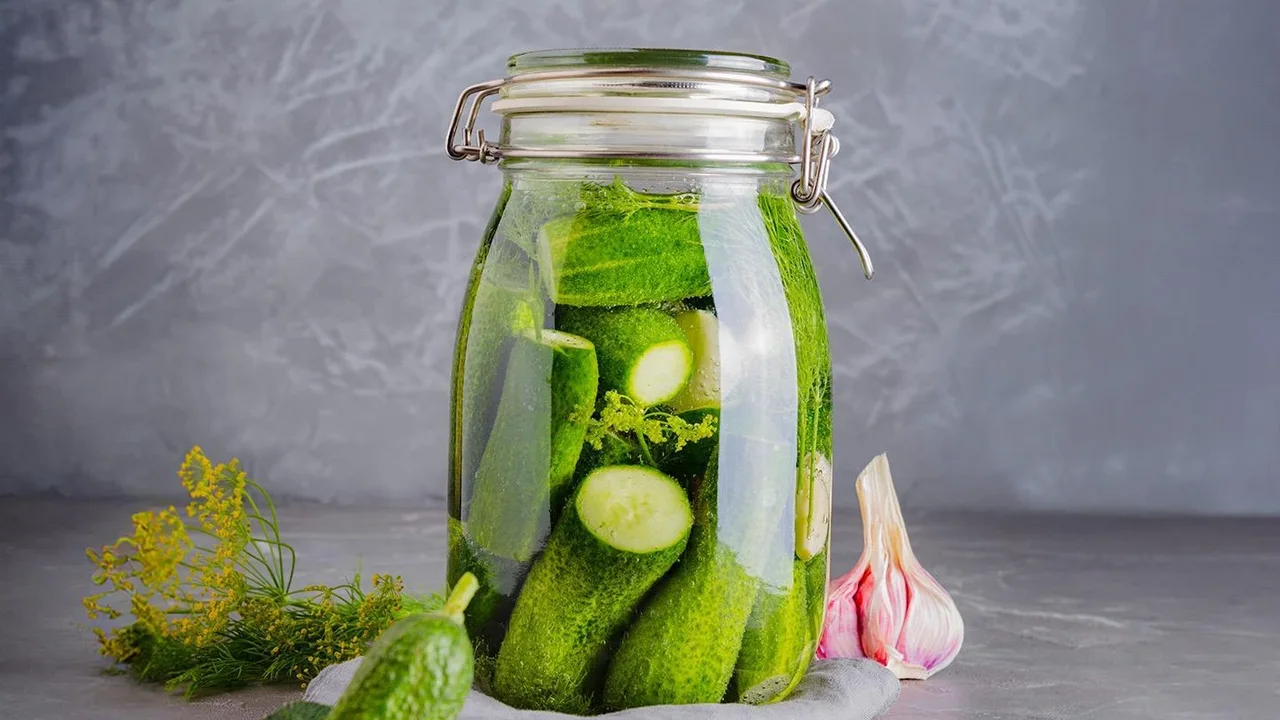
Beyond the powerful pull of nostalgia, the growing interest in regional pickles is also linked to a rising awareness of their health benefits. Many traditional Indian pickles are made through natural fermentation, a process that promotes the growth of probiotics, the beneficial bacteria that are crucial for good gut health and digestion. Ingredients commonly used in achaar, such as turmeric, fenugreek, garlic, and amla (Indian gooseberry), are packed with antioxidants and essential vitamins like C, A, and K. As consumers become more health-conscious, these naturally fermented, nutrient-rich condiments are being seen as a flavourful way to support overall well-being, provided they are consumed in moderation due to their high salt and oil content.