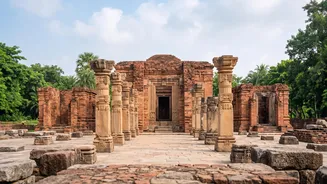





When India adds new locations to UNESCO's Tentative List, it sparks national pride. But what does 'tentative' really mean? It’s a vital first step, but it is far from the finish line in the prestigious race for World Heritage inscription.
What is the Tentative List?
Think of the
Tentative List as a country's formal declaration of intent. It is an inventory of sites within its borders that it believes have 'Outstanding Universal Value' and might be nominated for World Heritage status in the coming years. Inclusion on this list is a mandatory prerequisite; UNESCO’s World Heritage Committee will not even consider a nomination unless the site has been on the Tentative List for at least a year. As of late October 2026, India added three new sites, including the Sirpur Cultural and Archaeological Landscape in Chhattisgarh and two geological sites in the Andaman and Nicobar Islands, bringing its total to over 80 sites on the list. This signals the start of a long and complex journey, not the end.
The Grueling Path to Inscription
Moving from the Tentative List to the final World Heritage List is a multi-year marathon. After a site is selected from the tentative inventory, the country must prepare an exhaustive Nomination Dossier. This document, often hundreds of pages long, provides comprehensive evidence of the site's unique global significance, backed by maps, management plans, and conservation strategies. Once submitted, the dossier is independently evaluated by expert Advisory Bodies. The International Council on Monuments and Sites (ICOMOS) assesses cultural sites, while the International Union for Conservation of Nature (IUCN) evaluates natural sites. These bodies conduct rigorous field missions and analyses before making a recommendation to the World Heritage Committee.
The Final Hurdle: The World Heritage Committee
The final decision rests with the World Heritage Committee, composed of representatives from 21 elected countries, which meets once a year. Based on the advisory bodies' reports, the committee can choose to inscribe the site, reject the nomination, or 'refer' or 'defer' the decision, asking for more information or improvements. The entire process, from preparing the nomination file to the final vote, takes a minimum of 18 months and often several years. Competition is fierce, and countries are generally limited to nominating only one site per year. Success depends on proving the site meets at least one of ten specific selection criteria and demonstrating that robust legal and management frameworks are in place for its long-term protection.
Why It's Still a Moment to Celebrate
While tentative status isn't the final prize, it is a significant achievement. It officially recognizes a site’s potential importance on a global stage and represents years of research and preparation by bodies like the Archaeological Survey of India. For sites like the recently added Karst-mud-volcano Complex of Baratang or the ancient temples of Sirpur, it focuses national and international attention on their preservation needs. This recognition can help galvanize support, attract funding for conservation, and build momentum for the demanding nomination phase ahead. It’s the starting gun for a marathon, and making it to the starting line is a victory in itself.