

The Golden Weather Window
The period from October to February marks the sweet spot in Coorg's calendar. After months of heavy rainfall, the weather clears up, revealing crisp, sunny days and pleasantly cool evenings. Temperatures typically hover between a comfortable 10°C and 25°C,
creating ideal conditions for sightseeing and outdoor activities without the humidity of summer or the downpours of monsoon. This Goldilocks climate means you can explore coffee plantations by day and enjoy a bonfire by night, all in the same trip. While December and January are peak season, the early winter months of October and November offer the best of both worlds: great weather and slightly fewer crowds.
A Landscape in Full Bloom
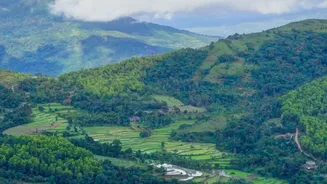
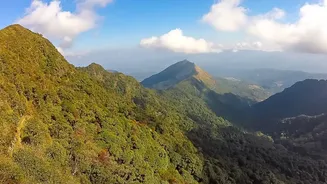
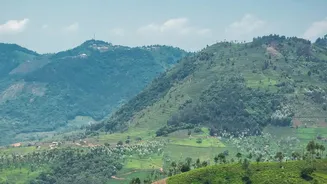
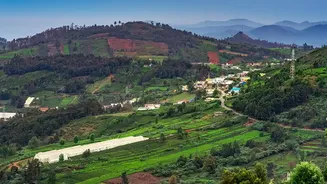
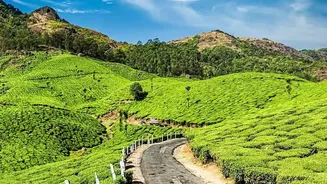
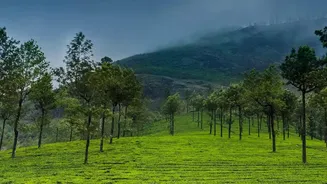
Early winter is when Coorg’s natural beauty is at its most vibrant. The monsoon season, from June to September, saturates the landscape, and by October, the entire region is a lush, emerald paradise. Waterfalls like Abbey and Iruppu, which may be trickles in the summer, are full and spectacular post-monsoon. The forests and coffee estates are dense and green, with the rain-washed leaves glistening in the sun. This is the season for photographers and nature lovers, as the misty mornings and clear afternoons provide dramatic, ever-changing scenery. It's also when many local flowers are in bloom, adding splashes of colour to the verdant hills.
The Perfect Drive
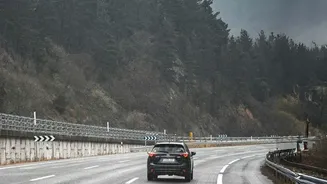
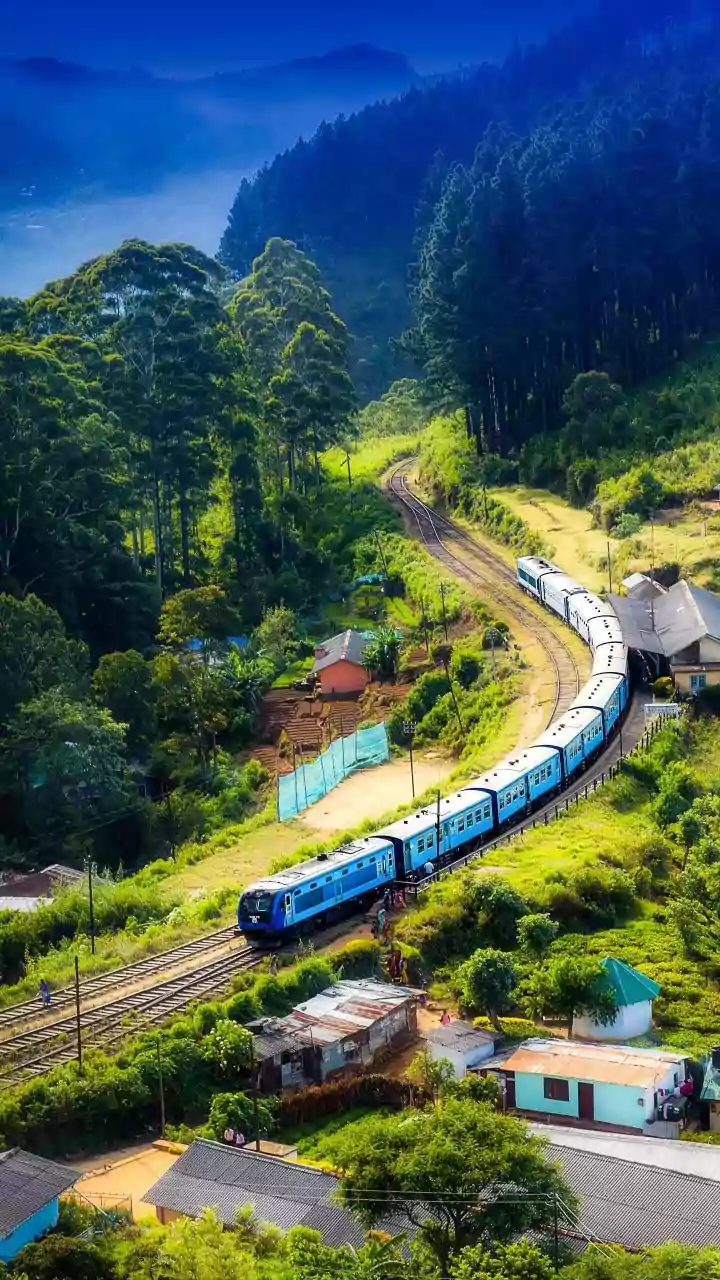
The 260-kilometre drive from Bengaluru to Coorg is an experience in itself, and early winter offers the best road conditions. The most popular route via NH275 through Mysore is generally well-maintained. While monsoon travel can bring slippery roads and the risk of landslides, the post-monsoon period ensures a safer and more pleasant journey. Leaving Bengaluru early allows you to bypass city traffic and enjoy the scenic drive through towns like Ramanagara and Mandya. The improved Bangalore-Mysuru expressway has also cut down travel time, making the journey quicker and more comfortable. The final stretch, as you climb into the hills of Coorg, is filled with winding roads, coffee estates, and breathtaking views, all best enjoyed under clear winter skies.
Adventures and Activities Await
The pleasant weather of early winter opens up a world of activities that are often limited during other seasons. It’s the best time for trekking and hiking, with trails like Tadiandamol Peak being more accessible and less slippery. Coffee plantation tours are a must-do, and the harvest season often begins in November, allowing you to see the picking and processing firsthand. For thrill-seekers, river rafting in the Barapole River can still be an option in the early parts of the season when water levels are high from the recent rains. Other popular attractions like the Dubare Elephant Camp, Raja's Seat for sunset views, and the serene Namdroling Monastery (Golden Temple) in Bylakuppe are all more enjoyable without the disruption of rain or extreme heat.
Fewer Crowds, More Serenity
While Coorg is a year-round destination, the peak tourist rush typically happens during the summer holidays and the peak winter weeks of late December and January. By planning your road trip in October or November, you can often find a more peaceful version of Coorg. Accommodation can be easier to book, and popular viewpoints like Raja's Seat will be less crowded. This allows for a more relaxed and immersive experience, whether you're exploring the historic Madikeri Fort or simply enjoying a quiet cup of locally grown coffee at a homestay. This shoulder season offers a perfect balance, letting you enjoy the peak season's weather with fewer of the peak season's crowds.