






The Science of a Stuffy Room
To understand why laundry dries, we need to remember a basic science lesson: evaporation. Water from your wet clothes needs to turn into vapour and move away. When you dry clothes inside a closed room, that water vapour has nowhere to go. It saturates
the air, creating a humid microclimate around your drying rack. This process dramatically slows down further evaporation. Think of it like a saturated sponge; once the air is full of moisture, it simply can't absorb any more from your clothes. This is why a load of laundry can feel damp for days in a sealed-off space, even if the room is warm. A single wash load can release nearly two litres of water into the air, turning your living space into a temporary steam room.
Why Airflow Beats Heat
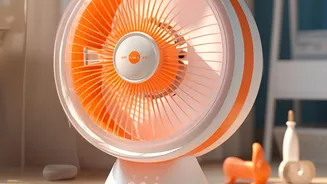
It’s a common instinct to turn up the heat to dry things faster. While warmer air can hold more moisture, it's an inefficient strategy on its own. Without ventilation, you're just creating a warm, damp environment—the perfect breeding ground for mould. Airflow, on the other hand, is the real game-changer. Moving air, even if it's cool, works by physically pushing the moisture-saturated air away from the surface of your clothes and replacing it with drier air. This constant replacement allows evaporation to continue at a much faster rate. A simple fan pointed at a clothes rack can dry laundry significantly faster than leaving it in a warmer, still room. It's about removing the humid barrier around the fabric, not just about heating the water in it.
The Hidden Dangers of Indoor Drying
Consistently drying clothes indoors without proper ventilation poses risks beyond just slow-drying garments. The excess moisture raises your home's humidity levels, which can lead to serious issues. Experts warn that humidity levels above 60% create ideal conditions for mould and mildew to grow on walls, ceilings, and behind furniture. These fungi release spores into the air that can trigger allergic reactions, asthma attacks, coughing, and other respiratory problems, particularly in children or individuals with weakened immune systems. High humidity also encourages the proliferation of dust mites, another common allergen. Over time, the persistent dampness can even cause damage to paint, wallpaper, and wooden furniture.
An Action Plan for Better Indoor Drying
The good news is that drying laundry indoors can be done safely and efficiently with a few smart adjustments. The key is to prioritise airflow and ventilation at every step. First, give your clothes an extra spin cycle in the washing machine to remove as much excess water as possible before hanging them. When placing clothes on a drying rack, space them out generously; overcrowding prevents air from circulating. Hang items on hangers where possible to maximise exposure. Place your drying rack in a well-ventilated area. If you can, open a window, even just a crack. If it's too cold, place a fan nearby and aim it at the rack to create a breeze. This is the single most effective way to speed up the process. Using a room's built-in extractor fan, like in a bathroom, can also help draw moist air out.
Tools That Make a Difference
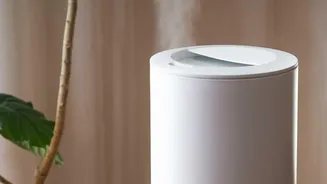
If you frequently dry clothes indoors, investing in a dehumidifier can be a fantastic solution. A dehumidifier works by actively pulling moisture out of the air, which both speeds up drying time and prevents humidity from building up in your home. Place it in the same room as your laundry for the best results. While heated airers are popular and can be effective, remember that they work best when paired with good ventilation to let the evaporated moisture escape. Finally, avoid common mistakes like draping wet clothes over radiators. This can be a fire hazard and actually blocks the radiator from heating the room efficiently, while still releasing large amounts of moisture into a concentrated area.