






A New Era of Mangoes
We all love our Dasheris, Langdas, and Chausas. They are the undisputed kings of summer, the taste of childhood memories. But what if the next generation of mango royalty is already here? At the Indian Agricultural Research Institute (IARI) in Pusa, Delhi,
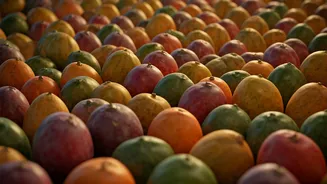
scientists have been working for decades as agricultural artists, meticulously cross-breeding beloved mango varieties to create something entirely new. Their goal is not to replace the classics but to build upon them, creating mangoes that are not only delicious but also more resilient, colourful, and have a longer shelf life. These ‘designer’ mangoes are the result of blending the best traits of Indian varieties (like sweetness and aroma) with those of foreign ones (like vibrant colour and disease resistance). The result is a fascinating new chapter in India’s long love affair with the mango.
Pusa Arunima: The Crimson Beauty
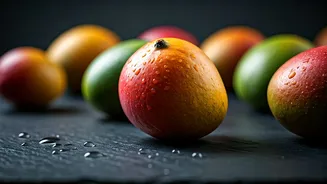
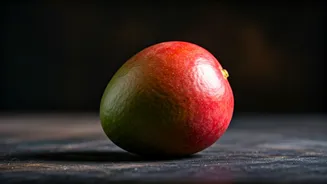
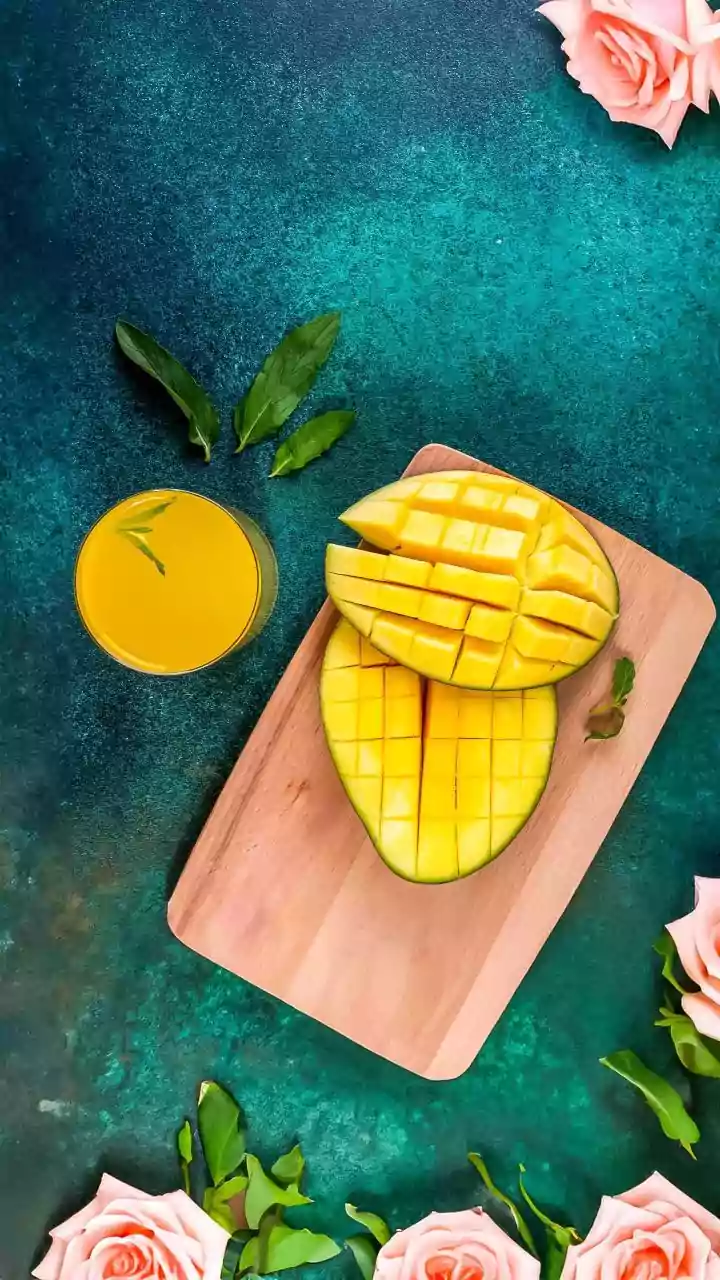
One of the first stars you’ll meet is Pusa Arunima. A cross between the Indian Amrapali and the American Sensation, this mango is a visual stunner. It boasts a beautiful reddish-purple peel that immediately sets it apart from the familiar green and yellow hues. But its beauty is not just skin-deep. When you cut into an Arunima, you’ll find a firm, deep saffron-coloured pulp with very little fibre. The flavour is a complex delight—sweet, but with a distinct, slightly tangy note that makes it incredibly refreshing. Its firm flesh also means it’s excellent for slicing and dicing for salads or desserts, and it has a fantastic shelf life, meaning you can savour the taste of summer for just a little longer.
Pusa Pratibha & Pusa Shrestha
If Arunima is the showstopper, Pusa Pratibha is the reliable hero. Another Amrapali cross, this time with the Sensation variety, Pratibha is known for its high nutritional value, particularly its Vitamin C content. It has a slightly more elongated shape and a yellow peel that blushes with red. The taste is a rich, satisfying sweetness that will feel both familiar and new. Then there’s Pusa Shrestha, a hybrid that boasts a wonderfully firm texture and a sweet, balanced flavour profile. It has a significantly smaller stone, which means more pulp and more deliciousness per fruit. These varieties are not just novelties; they are engineered to be better—offering higher yields for farmers and more fruit for consumers.
Ambika: The Flavourful Foreigner
Another standout hybrid is Ambika. This variety is a cross between Amrapali and Janardhan Pasand. It develops a brilliant red blush over its yellow-green skin, making it another eye-catching fruit at any market. Ambika is prized for its firm, fibreless pulp and a unique, aromatic flavour that has captivated mango connoisseurs. The sweetness is pronounced but not overwhelming, with subtle notes that invite you to take another bite. Its robust nature and attractive appearance make it a popular choice not just for eating fresh but also for processing and export, showcasing the global potential of Indian mango innovation.
Where to Find These Gems
So, where can you actually taste these futuristic fruits? The single best opportunity for Delhiites is the annual Mango Festival, typically held at Dilli Haat in Pitampura or Janakpuri. This is where farmers and research institutions, including IARI, converge to showcase their best and brightest produce. Here, you can not only buy these hybrid mangoes by the kilo but often taste samples, talk to the growers, and immerse yourself in all things mango. IARI also occasionally holds its own ‘melas’ or sales events on its campus, offering the public a chance to purchase these varieties directly from the source. Keep an eye on local news and event listings as summer heats up, as these events are the city's best-kept secret for true mango lovers.