



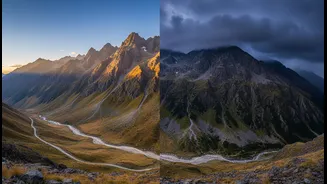


The Great Himalayan Rain Shadow
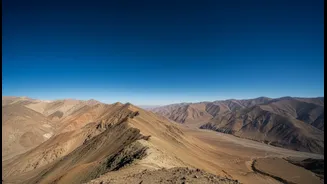
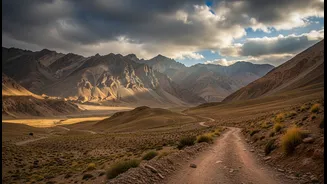
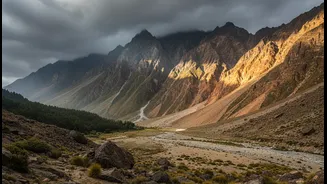
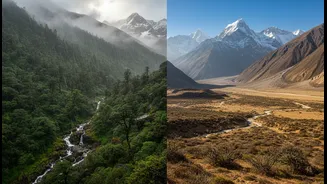
The secret to Ladakh and Spiti’s monsoon-proof nature is a geographical phenomenon known as a rain shadow. The towering Pir Panjal and Great Himalayan ranges act as a colossal wall, blocking the moisture-laden monsoon clouds that sweep in from the south.
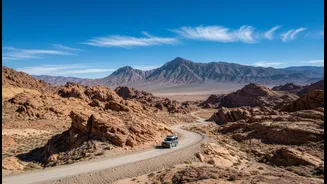
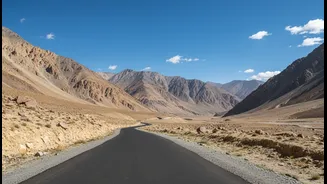
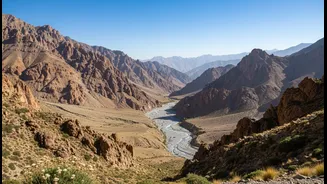
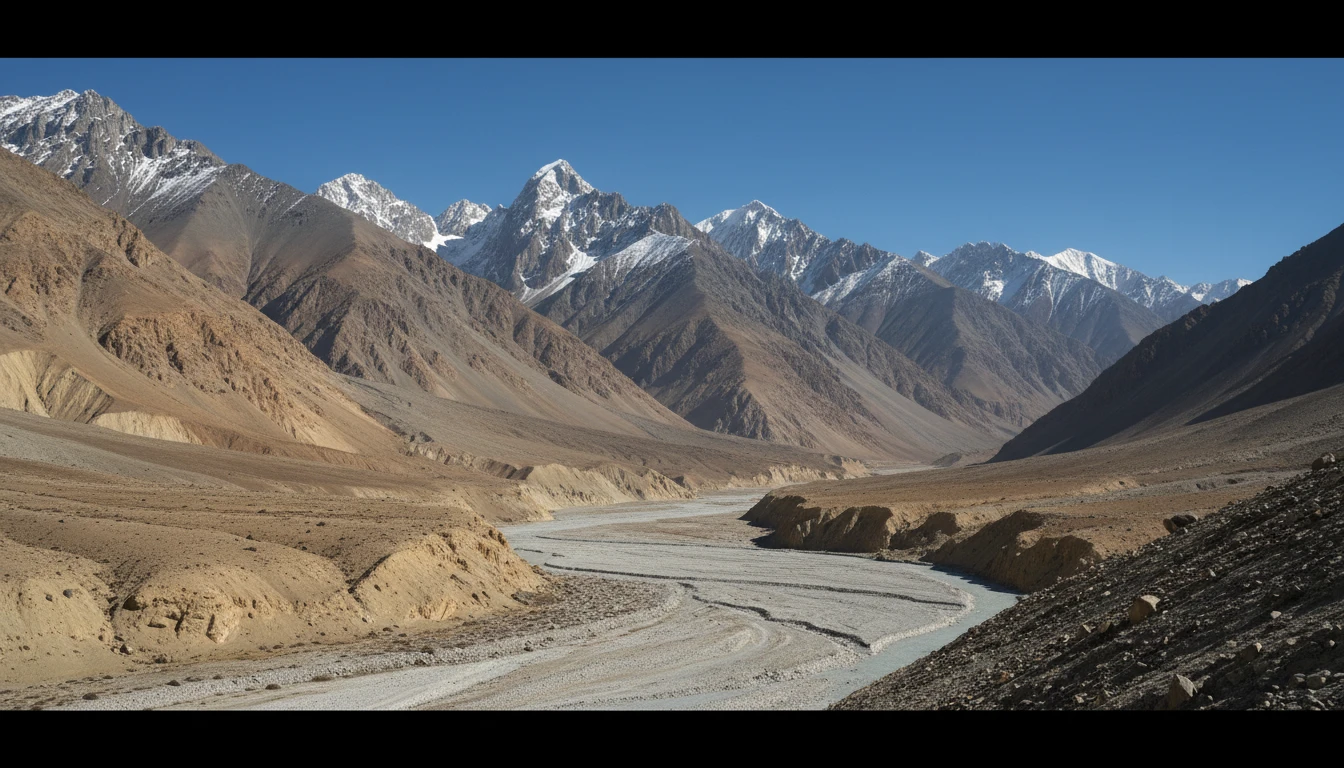
As these clouds are forced to rise, they cool and release their rain and snow on the southern slopes, in states like Uttarakhand and Himachal Pradesh. By the time the winds cross over the peaks to the leeward side, where Ladakh and Spiti are located, they have lost most of their moisture. This process leaves the trans-Himalayan region a high-altitude cold desert, which receives very little rainfall even when the rest of the country is drenched. While popular hill stations deal with downpours, Ladakh and Spiti experience their peak summer season with mostly dry, sunny weather.
Ladakh's Two Open Corridors
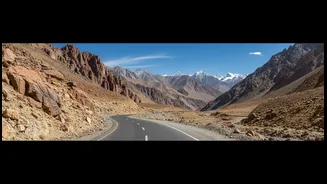
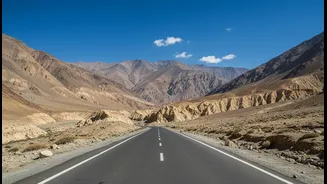
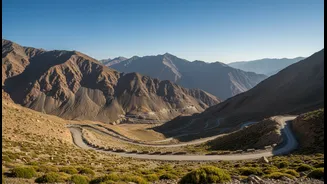
Travellers have two primary road arteries into Ladakh, and both are currently operational for the summer season. The Srinagar-Leh Highway, which crosses the formidable Zoji La pass, is considered a more gradual ascent and is generally open, though sometimes with time-bound traffic restrictions to manage vehicle flow. The second, more adventurous route is the Manali-Leh Highway. This road is also open but presents greater challenges, with multiple high passes like Baralacha La and Tanglang La. It is important to note that the initial sections of both highways, before they enter the rain shadow, are susceptible to monsoon effects. The stretch from Manali towards Keylong can face landslide-related delays, as can the area around Zoji La. Once you are past these initial hurdles, the landscape dries out dramatically.
Navigating the Path to Spiti Valley
Spiti Valley, like Ladakh, is a cold desert, but getting there requires traversing monsoon-affected territory. The most reliable route is via Shimla and Kinnaur along National Highway 5. This road remains open for most of the year but is known for landslide-prone stretches, especially between Wangtu and Sumdo during July and August. The alternative is the Manali-Kaza highway via the Atal Tunnel and Kunzum Pass. This route is shorter but significantly tougher, with rough patches and river crossings that can be treacherous in monsoon. As of mid-July 2026, both routes are reported to be open, allowing for a full circuit. However, experts advise entering via the Shimla side for better acclimatisation to the altitude and keeping a close watch on daily road status updates from local authorities.
A Tale of Two Monsoons
The contrast with other Himalayan destinations is stark. In recent days, red alerts for extremely heavy rainfall have been issued for parts of Himachal Pradesh and Uttarakhand. These downpours have triggered widespread landslides, blocking hundreds of roads, including national highways, and disrupting life in popular tourist towns and pilgrimage circuits. Reports confirm major road blockages on the way to Shimla, in the Kullu Valley, and across Uttarakhand, making travel unpredictable and hazardous. This is the typical monsoon pattern for the lower Himalayas, and it stands in direct opposition to the dry, stable conditions found just across the main range in Ladakh and Spiti, making them appealing sanctuaries for those seeking a mountain escape without the monsoon risk.
Travel Advisory: Open Does Not Mean Easy
While the roads to Ladakh and Spiti are open, a monsoon-season trip requires careful planning. "Open" simply means the route is not officially closed; it does not guarantee a smooth journey. The approach sections can and do experience blockages. The most critical piece of advice from seasoned travellers is to build buffer days into your itinerary—at least two or three—to account for unexpected delays. Always check the daily road status from official sources like the local police or Border Roads Organisation (BRO) before starting your day. Start your driving day early, especially on the Manali routes, to cross water crossings before glacial melt increases their flow in the afternoon. Ensure your vehicle is in excellent condition (4x4 is recommended for many stretches) and carry essentials like warm clothing, basic medical supplies, and sufficient cash, as ATMs in remote areas can be unreliable.