








Your Body's Internal Communication Network
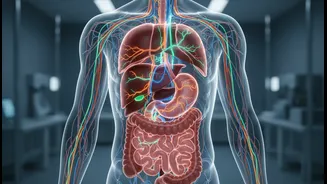
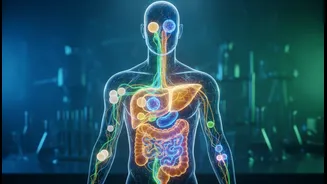
Tissues and organs don't work in isolation; they are part of a sophisticated communication network. This chatter, known as inter-organ crosstalk, involves sending and receiving biochemical messages to coordinate everything from energy use to immune responses.
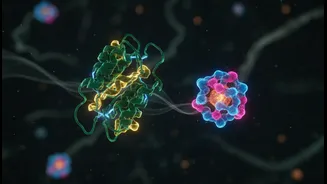
Key players in this network are protein-based signaling molecules, including adipokines from fat tissue, hepatokines from the liver, and cytokines from immune cells. These molecules travel through the bloodstream, acting like texts that tell other organs how to behave, ensuring your body adapts to changing needs, such as fasting, exercise, or fighting off an infection.
When Fat Tissue Speaks
For a long time, fat (adipose tissue) was seen simply as energy storage. We now know it's a dynamic endocrine organ that actively communicates with the rest of the body. It produces signaling proteins called adipokines. One famous adipokine is leptin, which travels to the brain to signal fullness. Another is adiponectin, which helps sensitize the body to insulin and has anti-inflammatory effects. However, in states of obesity, the profile of these signals changes. The production of anti-inflammatory adipokines often decreases while pro-inflammatory ones increase, contributing to low-grade inflammation throughout the body.
The Liver's Crucial Updates
The liver, your body's metabolic command center, also sends out its own protein signals, called hepatokines. These proteins are vital for regulating glucose and fat metabolism system-wide. For instance, a hepatokine called fetuin-A is associated with how the body responds to insulin. When the communication between the liver, fat tissue, and other organs is running smoothly, your metabolic health is stable. But when these signals become dysregulated, it can contribute to conditions like insulin resistance and non-alcoholic fatty liver disease (NAFLD).
The Immune System's Constant Patrol
Your immune system communicates using a broad class of proteins called cytokines. These are the messengers that coordinate the body's response to infection and injury, telling immune cells where to go and what to do. This system is closely linked with metabolic health. Chronic low-grade inflammation, often seen in obesity, involves an overproduction of pro-inflammatory cytokines from both immune cells and adipose tissue. This constant inflammatory signaling can disrupt the function of the liver and other organs, playing a role in the development of metabolic syndrome.
Practical Choices for Better Signaling
The good news is that you can influence this internal conversation through your daily habits. Lifestyle changes can profoundly improve organ crosstalk and metabolic health. The goal is to reduce inflammatory signals and support the production of beneficial ones. Key strategies include eating a nutrient-dense diet rich in whole foods like fruits, vegetables, lean proteins, and healthy fats. These foods provide the building blocks for healthy hormone function and can turn off inflammation-promoting pathways. Reducing added sugars, refined carbohydrates, and saturated fats is also crucial.
Movement, Sleep, and Stress
Physical activity is a powerful tool for improving organ communication. Aim for at least 150 minutes of moderate activity, like brisk walking, each week. Strength training is especially beneficial because muscle is a major consumer of glucose and helps maintain insulin sensitivity. Even short walks after meals can help manage blood sugar spikes. Don't underestimate the importance of sleep and stress management. Lack of sleep and chronic stress can disrupt hormones and increase cortisol, which negatively impacts metabolism. Aiming for 7-9 hours of quality sleep and incorporating stress-reducing activities can help bring your body's signals back into balance.