





Getting Started: Pots, Soil, and Light
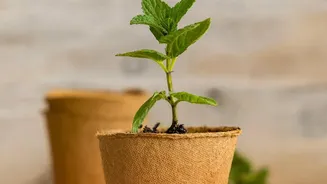
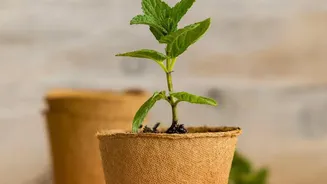
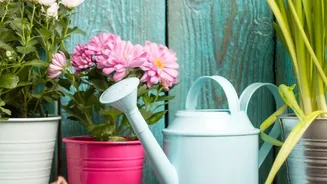
Before you begin, set yourself up for success. Choose pots that are at least 6-8 inches wide and have drainage holes; this is crucial to prevent waterlogged roots. For soil, a high-quality indoor potting mix is your best bet. It's lighter than garden
soil, allowing roots to breathe and preventing compaction. Most importantly, find your sunniest windowsill. An east or south-facing window is ideal, as these herbs generally need at least four to six hours of sunlight per day to thrive. If natural light is limited, consider a small LED grow light to help them along.
The Queen of Herbs: Tulsi (Holy Basil)
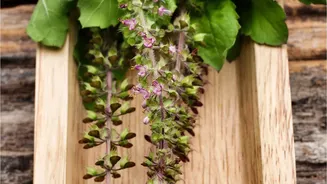
Tulsi is a revered herb in many Indian households and a wonderful addition to your indoor garden. It needs warmth and plenty of light—aim for at least six hours of sun daily. You can grow Tulsi from seeds or a cutting. If starting from seed, sprinkle them on moist soil and lightly press them down, about a quarter-inch deep. Keep the soil consistently moist until germination, which takes about one to two weeks. Water when the top inch of soil feels dry, but avoid making the soil soggy, as Tulsi is prone to root rot. Be sure to pinch off the flowering tops (manjari) regularly; this encourages the plant to become bushier and produce more fragrant leaves.
The Vigorous Grower: Mint (Pudina)
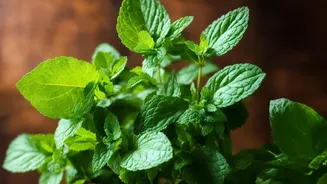
Mint is famously easy to grow—so easy, in fact, that it’s best kept in its own pot to stop its vigorous roots from taking over. It thrives in a container that's at least eight inches wide to give its roots room to spread. Mint prefers soil that is consistently moist but not waterlogged. It does well in bright, indirect light, making it more tolerant of slightly less sunny windowsills than Tulsi. You can easily start a plant from a cutting placed in a glass of water. Once roots form, transfer it to a pot with soil. Harvest mint by snipping the top of the stems, just above a set of leaves. This encourages the plant to branch out and become fuller.
The Kitchen Staple: Coriander (Dhania)
Fresh coriander, also known as cilantro, is essential for so many dishes. To grow it successfully indoors, choose a wide, relatively shallow pot, as its root system isn't very deep. Coriander can be grown from the whole seeds you find in your spice drawer; just gently split them first and soak them overnight to improve germination. Sprinkle the seeds over the soil and cover with a thin layer of potting mix. This herb prefers cooler temperatures and about four to six hours of daily sunlight. Too much intense, direct heat can cause it to 'bolt'—flower prematurely—which can make the leaves taste less pleasant. Harvest the outer leaves first, cutting them near the base, allowing the inner leaves to continue growing. This method can yield several cuttings from one planting.
Care and Harvesting for a Continuous Supply
The key to a long-lasting indoor herb garden is proper harvesting. Never strip all the leaves from a single stem. Instead, regularly trim the top few inches of each plant, cutting just above a pair of leaves. This technique, often called 'pinching back', signals the plant to become bushier and more productive. As a general rule, never harvest more than one-third of the plant at a time, which allows it to recover and continue growing. Water your herbs based on the soil's feel rather than a strict schedule; let the top inch of soil dry out before watering again. Rotate the pots a quarter turn each week so that all sides get equal light, preventing the plants from leaning.