






From Menu to Mood
For decades, the decision of where to eat was primarily driven by food. Craving Italian? You’d go to an Italian restaurant. But a significant shift is underway in India's dining scene. Increasingly, the choice is less about what you want to eat and more
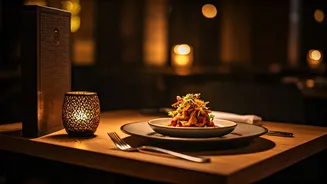
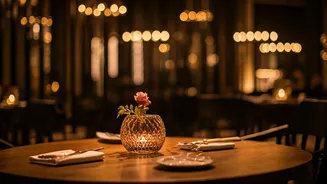
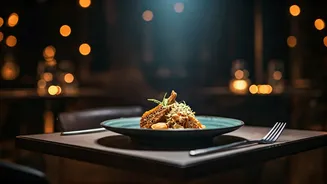
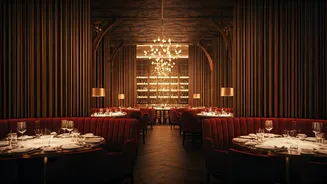
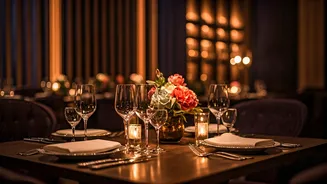
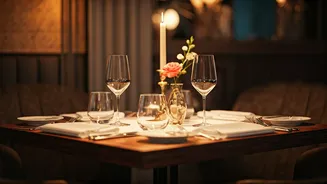
about how you want to feel. This is mood-led dining, where the 'vibe'—be it cozy, energetic, celebratory, or quiet—is the main attraction. Good food is now the baseline expectation; the emotional and sensory experience is what sets a place apart. Experts note that diners are no longer just seeking a meal, but meaning, connection, and emotional resonance. A restaurant’s atmosphere, from lighting and music to the energy of the crowd, has become a primary product.
The Post-Pandemic Push for Experiences
The COVID-19 pandemic dramatically reshaped our relationship with public spaces. After long periods of isolation, going out is no longer taken for granted. Many people are now more intentional about how they spend their time and money, seeking experiences over mere consumption. This has accelerated the mood-led trend. A dinner out is now an opportunity to feel a certain way—to reconnect with friends in a lively setting, to have an intimate conversation in a quiet corner, or to feel the buzz of a crowd. Restaurants are becoming stages for life’s moments, and diners are choosing the backdrop that best fits the scene they want to create. This focus on crafted experiences is becoming a marker of a new kind of luxury dining.
Checking the Vibe Online
Social media has turned a restaurant's atmosphere into a searchable and highly desirable commodity. Platforms like Instagram and TikTok are filled with visual storytellers, and for younger generations like Gen Z, a restaurant's aesthetic is as crucial as its menu. According to reports, a significant number of diners, especially younger ones, check a restaurant's social media presence before visiting. They are looking for visual cues that promise a certain kind of experience. This has led to the rise of 'atmosphere restaurants,' where every element is designed to be photogenic and immersive. The choice of where to dine often says something about a person's identity and the community they belong to.
How Restaurants Are Responding
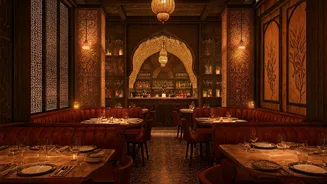
The Indian restaurant industry is adapting quickly to this shift. Restaurateurs understand that they are no longer just in the food business; they are in the experience business. This means curating specific moods is a core part of their strategy. We are seeing a clearer segmentation of dining spaces: high-energy bars for letting loose, serene cafes for focus or calm, and immersive themed restaurants that transport you to another place. Some establishments are even using technology to allow guests to personalize their environment, from lighting to sound. The goal is to create a powerful memory. As one industry leader put it, people may forget the exact taste of a dish, but they will remember the sound, the sight, and how the staff made them feel.