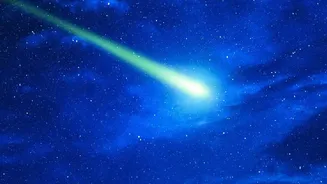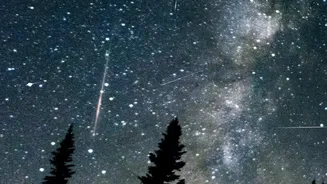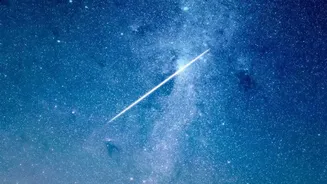






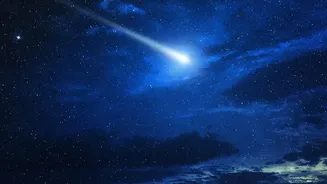
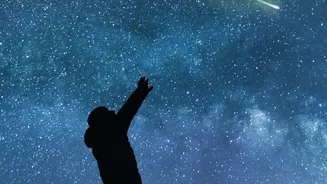

The dazzling spectacle of a meteor shower might seem like a distant dream for city dwellers. But with the upcoming Orionid meteor shower, you don't need to flee the city entirely. Here's your guide to catching the cosmic show from a metro area.
Mark Your Calendar: Prime Viewing Time
The Orionid
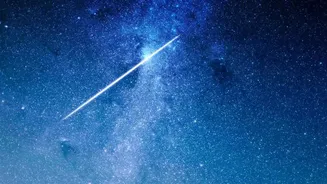
meteor shower will be active from early October to early November 2026, but the best time to watch is during its peak. Mark your calendar for the night of October 21-22, 2026. The most spectacular views will be in the hours before dawn, specifically between moonset (around 3 a.m.) and sunrise. This window is crucial because the moon, which will be quite bright, will have dipped below the horizon, creating a darker canvas for the meteors. The Orionids are known for producing fast, bright meteors, with up to 15-25 per hour visible under ideal dark-sky conditions. While you'll see fewer in a city, the predawn hours offer your best shot.
Location, Location, Light Pollution
The biggest challenge in any Indian metro area is light pollution, the glow from streetlights, buildings, and traffic that washes out the night sky. You don't necessarily need to drive for hours, but you do need to be strategic. Find the darkest possible spot available to you. This could be a large park, a high-rise rooftop with unobstructed views, or even the outskirts of the city. The key is to get away from direct sources of light and find a location where buildings or trees can block the worst of the city's glare. Even a 20-30 mile drive away from the city centre can make a significant difference.
The Best Tool is No Tool at All
Here’s a counterintuitive tip: leave your telescope at home. Telescopes have a very narrow field of view, meaning you'll only see a tiny patch of the sky at once. Since meteors can appear anywhere and move quickly, you're more likely to miss them while looking through a telescope. Your naked eyes are the best instrument for the job because they offer the widest possible view of the sky. If you want a little magnification, a standard pair of binoculars (like 10x50) can be a good compromise. They can help you scan the sky and enhance the view of any persistent, glowing trails left by brighter meteors, without severely restricting your field of view.
Let Your Eyes Adapt to the Dark
Once you've found your spot, one of the most critical steps is to allow your eyes to become fully dark-adapted. This process takes about 20-30 minutes, during which your pupils widen to let in more light. This means no looking at your bright phone screen. The white light from your phone will instantly ruin your night vision and you'll have to start the adaptation process all over again. If you need to use your phone, for a stargazing app for instance, switch it to 'night mode' with a red filter. Red light has less impact on your night vision. Be patient; the longer you sit in the dark, the more faint meteors you will be able to spot.
Use Your Phone as a Smart Guide
While you should avoid its bright screen, your smartphone can be an invaluable tool. Before you head out, download a stargazing app like Stellarium, SkyView Lite, or Star Chart. These apps use your phone's sensors to identify stars, planets, and constellations in real time. The Orionid meteors are named so because they appear to radiate from the constellation Orion. Use your app to locate Orion the Hunter in the southeastern sky. While meteors can flash across any part of the sky, knowing the location of the radiant is helpful. These apps can also help you confirm you are looking in the right direction and plan your viewing session.
Get Comfortable and Be Patient
Meteor watching is a waiting game, not an action movie. Bring a blanket, a reclining lawn chair, or something comfortable to lie on so you can look straight up without straining your neck. Dress in warm layers, as even Indian nights can get chilly in October, especially in the early morning hours. Set your expectations realistically. From within a city, you won't see the 25-per-hour rate, but catching a few bright, fast streaks of dust from Halley's Comet burning up in our atmosphere is a deeply rewarding experience. The show lasts until dawn, so you have plenty of time. Relax, look up, and enjoy the cosmic display.