





Choose Your Drying Zone Wisely
The first step is dedicating a specific area to the task. Drying clothes releases a significant amount of moisture into the air, so avoid high-traffic areas like the living room or spaces where you sleep. A lesser-used spare room, a covered balcony, or even
a large bathroom can work well. The key is to pick a spot you can keep well-ventilated. Avoid kitchens and bathrooms if they already have high moisture levels. A designated zone contains the laundry chaos and, more importantly, the humidity, preventing it from spreading throughout your home and encouraging mould growth. Think of it as your seasonal laundry headquarters.
Maximise Airflow, The Unseen Hero
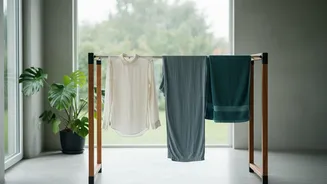
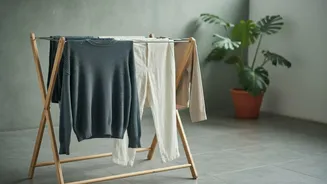
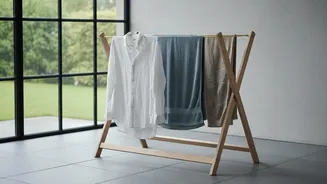
Stagnant, humid air is the enemy of fresh-smelling laundry. The single most important factor in drying clothes indoors is air circulation. Invest in a good quality, multi-tiered drying rack that allows you to space clothes out; hanging them too close together traps moisture and slows down drying significantly. Position a fan—even a simple table or pedestal fan—to blow air across the clothes. This constant movement mimics a natural breeze, whisking away the moist air surrounding the fabric and dramatically speeding up the process. If possible, slightly opening a window in the room can also help moisture escape, provided rain isn't blowing in.
The Power of a Dehumidifier
For those living in particularly humid regions, a dehumidifier is a game-changing investment for monsoon laundry. This appliance works by actively pulling moisture out of the air, creating a drier environment that is perfect for drying clothes. Many models even come with a specific 'laundry mode' designed for this purpose. Simply place the dehumidifier in your closed-off drying zone, and it will collect litres of water that would have otherwise lingered in your clothes and home. It not only helps clothes dry in a fraction of the time but also prevents the growth of mould and mildew that causes that dreaded musty odour.
Master the Art of the Wash Cycle
The battle against dampness begins in the washing machine. First, don't overload the machine; smaller loads allow for better cleaning and spinning. Utilise your machine's spin cycle to its full potential—running an extra spin cycle can remove a surprising amount of excess water before you even hang the clothes. To combat odours at the source, consider adding about half a cup of white vinegar to the rinse cycle. It acts as a natural disinfectant and fabric softener, helping to kill odour-causing bacteria without leaving a vinegary smell on your dry clothes.
Rethink Your Laundry Habits
The humorous advice in the headline—"Confirm Wet Laundry"—points to a crucial strategy: laundry management. Instead of letting a massive pile accumulate, try doing smaller, more frequent loads. This makes the indoor drying process far more manageable, as you won't have to cram every available surface with wet clothes. Prioritise washing essentials like uniforms and workwear first. Also, make it a rule to hang clothes immediately after the wash cycle finishes. Leaving them in the machine, even for a short time, creates a perfect breeding ground for mildew and musty smells.
Final Touches for Freshness
Even with the best system, some heavier fabrics might retain a hint of dampness. Before folding and storing, ensure every item is 100% dry. If you notice a garment is still slightly damp, a quick press with a hot iron can eliminate that last bit of residual moisture and kill any lingering bacteria. For long-term storage in cupboards during the humid season, placing moisture absorbers like silica gel pouches or a small open box of baking soda can help protect your clothes from absorbing ambient humidity and developing a stale smell.