





The High Cost of Sitting Still
Modern corporate life, particularly in cities across India, has shifted towards desk-based roles, with many professionals sitting for over eight hours a day. [7] This prolonged sedentary behaviour is now recognised as a significant health risk, with some
experts comparing its long-term impact to that of smoking. [7] When you sit for extended periods, your body's processes slow down. Muscle activity decreases, metabolism slows, and blood circulation becomes sluggish. [7, 24] This contributes to a host of problems, from immediate discomfort like chronic neck, shoulder, and lower back pain to a higher risk of serious long-term conditions. [2, 24] Studies have directly linked sedentary jobs in India to a sharp rise in abdominal obesity, which is a key risk factor for type 2 diabetes and cardiovascular disease. [9]
Your Secret Weapon: The Hourly Stretch
The solution isn't complicated or time-consuming. Experts recommend taking a 5 to 10-minute break every hour to stand, move, and stretch. [4] This simple habit acts as a powerful countermeasure to the negative effects of sitting. [10] Stretching increases blood flow to your muscles and brain, delivering essential oxygen and nutrients. [19] This not only alleviates muscle stiffness and reduces pain but also boosts your energy levels and sharpens your focus. [2, 19] Mentally, taking a short break provides a moment of mindfulness, helping to reduce stress, improve your mood, and ultimately enhance your productivity and creativity. [19, 21] Think of it as a reset button for both your body and your mind.
The 10-Minute Desk Reset: Neck and Shoulders
Tension tends to build up in the neck and shoulders from staring at a screen. To release it, try these simple movements. First, perform gentle neck tilts. Sit tall and slowly tilt your right ear towards your right shoulder, holding for 15-20 seconds. [14] You should feel a light stretch, not pain. Return to the centre and repeat on the left side. [14] Next, relieve your shoulders with shrugs. Inhale and lift your shoulders up towards your ears, hold for a few seconds, and then exhale as you relax them down. [10] Follow this with shoulder rolls, circling them backwards five times and then forwards five times to release tightness in the upper back. [14]
The 10-Minute Desk Reset: Spine and Back
Your spine compresses after long periods of sitting, leading to back pain. Counteract this with a seated cat-cow stretch. Sit on the edge of your chair with your feet flat on the floor. [13] On an inhale, arch your back and look up, opening your chest (Cow Pose). On an exhale, round your spine and drop your chin to your chest (Cat Pose). Repeat this flow five times. [13] Next, perform a seated spinal twist. Sit tall and turn your torso to the right, placing your left hand on your right knee and your right hand on the back of the chair for a gentle twist. Hold for 15-20 seconds, breathing deeply, then repeat on the other side. [2]
The 10-Minute Desk Reset: Hips and Legs
Your hips and legs can also become tight and stiff from sitting. To open your hips, try a seated figure-four stretch. While seated, cross your right ankle over your left knee. [14] Keeping your back straight, gently lean forward until you feel a stretch in your right hip and glute. Hold for 20-30 seconds and then switch sides. [14, 16] To awaken your legs, perform leg extensions. Sit tall and straighten one leg out in front of you, holding for a few seconds. [8] Flex and point your foot a few times before lowering it and repeating with the other leg. This simple movement helps improve circulation. [8, 12]
Making the Habit Stick
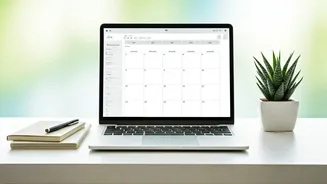
Knowing what to do is half the battle; building the routine is the other half. The key is to make stretching a non-negotiable part of your workday. The easiest way to start is by setting a recurring timer or calendar reminder for every hour. [2, 12] You can also link the new habit to an existing one—for example, deciding to stretch for five minutes every time you finish a call or send a major email. Don't aim for perfection from day one. Start with just one or two stretch breaks and build from there. When your body begins to feel the positive effects of reduced pain and increased energy, the habit will become its own reward.