






Start With the 50% Rule
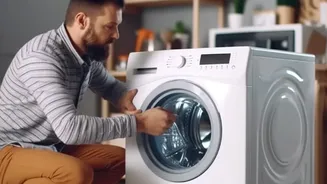
A widely used guideline in the world of home economics is the '50% rule'. The principle is simple: if a repair is going to cost more than 50% of the price of a new, comparable item, it’s generally better to replace it. For example, if a new washing machine
costs ₹30,000, you should think twice before spending more than ₹15,000 on a repair. This rule helps prevent you from sinking money into an old item that might fail again soon. However, it's not a rigid law. For very new or very expensive, high-end appliances, a costly repair can still be the more logical option. Think of this rule as your first quick calculation to frame the decision.
Consider the Appliance's Age and Lifespan
Age is more than just a number for your appliances. Every household item has an expected lifespan. Most major appliances like refrigerators and washing machines are built to last between 10 and 15 years. If your appliance is in the first half of its expected life, a repair is often a wise investment. For example, a five-year-old refrigerator with a faulty pump still has many years of service left. However, if the appliance is already past 75% of its expected lifespan and requires a major repair, you are likely just delaying the inevitable. Pouring money into an appliance that is already near the end of its life is often not a sound financial decision, as other parts are likely to fail soon.
Factor in Energy Efficiency
Today’s appliances are often significantly more energy-efficient than models from a decade ago. An older, inefficient appliance might be costing you more than you realise in monthly electricity bills. When deciding on a repair, consider the potential savings a new, energy-efficient model could offer. In India, look for the Bureau of Energy Efficiency (BEE) star ratings on new appliances. A new five-star refrigerator could lead to substantial annual savings that help offset the initial purchase price. If your old appliance is a known energy guzzler, its replacement could pay for itself over time through lower utility costs alone, making 'replace' the smarter long-term choice.
Check Repair History and Availability of Parts
Has this appliance been a frequent guest at the repair shop? If an item has needed multiple repairs in the last couple of years, it may be a sign of a larger, systemic failure. Constant breakdowns can become inconvenient and the costs can quickly add up. Before committing to another fix, consider the total amount you've already spent. Furthermore, check the availability and cost of spare parts. For older or obscure models, finding the right components can be difficult and expensive. If a crucial part is no longer manufactured, the decision is made for you. A quick call to a repair technician can clarify whether the needed parts are readily available and at what cost.
What About Furniture and Sentimental Items?
The repair-or-replace logic shifts for items like furniture, jewellery, or inherited pieces. For these, sentimental value and quality often outweigh pure financial calculations. A well-made solid wood chair or a treasured piece of jewellery is often worth repairing even if the cost seems high. Quality craftsmanship from a previous era can be difficult and expensive to find today. Reupholstering a favourite sofa or fixing a broken clasp on a necklace not only preserves the item but also its history. Repairing these items is also an environmentally friendly choice, reducing waste and the demand for new resources.