


Find Your Zone: Location is Everything
Before you buy a single rack, identify the best spot for your drying zone. An ideal location has good ventilation and won't get in the way of daily traffic. A covered balcony, a utility room, or even a spare corner of a larger room can work. Consider
the flooring; a tiled area is easier to clean than a carpeted one. The goal is to centralise the dampness. Instead of hanging clothes on every doorknob and chair, you're creating one designated area to manage the moisture efficiently. Measure your chosen space to ensure any equipment you buy will fit comfortably, even when fully loaded.
The Right Racks for the Job
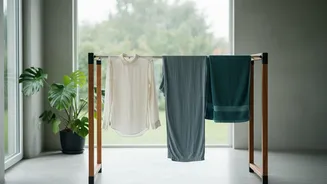
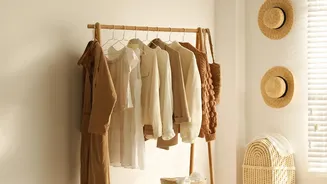
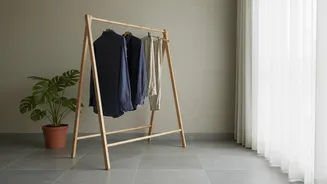
Your primary tool will be a clothes drying rack, but one size does not fit all. For small apartments, wall-mounted or ceiling-mounted pulley systems are excellent space-savers. They keep your floor clear and can be retracted when not in use. For larger families or those with more floor space, multi-tiered tower racks or foldable winged stands made of stainless steel offer high capacity and rust resistance. These are portable, allowing you to move them to the spot with the best airflow. Don't overcrowd the rack; leaving gaps between clothes is crucial for air circulation and faster drying.
Mastering Airflow to Banish Dampness
Moisture doesn't disappear on its own—it needs to be moved. Enhancing air circulation is the key to preventing that persistent musty smell. The simplest method is to place a pedestal or table fan near your drying rack to keep air moving. For those in extremely humid cities, investing in a dehumidifier is a game-changer. A dehumidifier actively pulls moisture from the air, dramatically speeding up drying time and improving your home's air quality. Many models even have a specific 'laundry mode' for this purpose. Even cracking a window open when it's not raining can help vent the moist air.
Solving the Shoe and Umbrella Problem
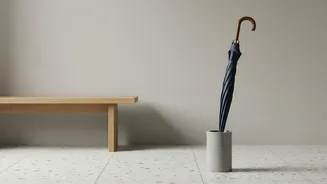
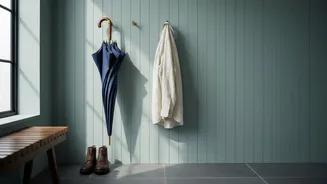
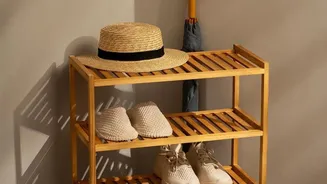
Wet shoes and umbrellas require their own systems. Never toss damp shoes into a closed closet, as this traps moisture and breeds fungus. A simple fix is to stuff them with crumpled newspaper, which absorbs water effectively. Change the newspaper every few hours. For a more permanent setup, a multi-tier, open-slatted shoe rack near your entryway allows air to circulate freely. You can also place silica gel packets inside shoes to absorb residual dampness. For umbrellas, a tall basket or a dedicated stand with a drip tray is essential. This contains the water and prevents puddles from forming on your floor.
Build Smart Habits for a Drier Home
The best drying zone is supported by smart laundry habits. First, use the high-spin cycle on your washing machine to wring out as much water as possible before hanging clothes to dry. If possible, do smaller, more frequent loads instead of one massive one. This prevents overloading your rack and ensures better airflow for each item. For items like jeans or heavy towels, turn them inside out and flip them midway through the drying process to ensure even drying. By combining the right tools with these simple techniques, you can conquer monsoon dampness and keep your home feeling fresh and organised all season long.