

The Quiet Magic of Fermentation
Long before kombucha became a global trend, fermentation was a quiet, daily ritual in Indian kitchens. This ancient science isn’t just about preservation; it's a transformative process that enhances flavour, improves digestibility, and boosts nutrition.
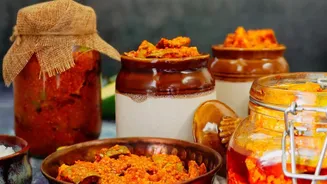
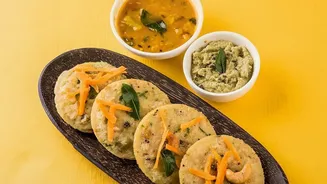
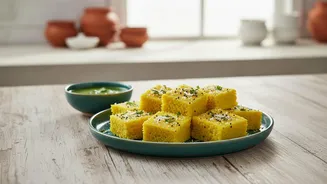
Think of the soft, spongy idli or the crisp, tangy dosa, both born from a simple batter of rice and lentils left to ferment overnight. This magical process, powered by naturally occurring yeasts and bacteria, breaks down complex starches, making the food easier on the gut and increasing the availability of nutrients like B vitamins. From the dahi (curd) that accompanies almost every meal to the vast array of regional pickles (achar) and drinks like Kanji, fermentation is a cornerstone of Indian culinary wisdom. A 2020 study documented over 200 distinct fermented foods across India, showcasing a diversity that speaks to centuries of refined, climate-specific knowledge. This isn't about trendy health food; it's a time-honoured strategy for creating delicious, nourishing meals from basic staples.
The Genius of the Single Pot
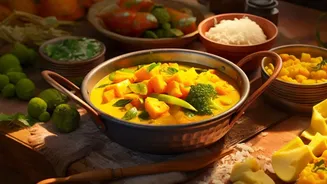
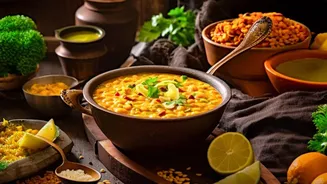
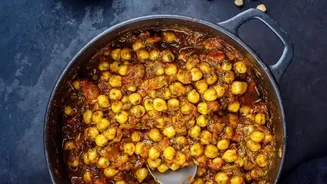
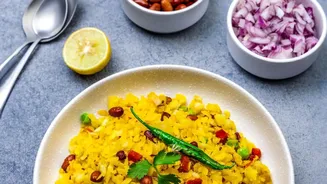
Alongside the slow, patient art of fermentation is the practical genius of one-pot cooking. Dishes like khichdi, pulao, and countless regional stews embody a philosophy of efficiency and flavour melding. Khichdi, a humble mix of rice and lentils, is perhaps the ultimate example. Its history traces back thousands of years, with mentions in ancient texts and evidence found in archaeological sites. While its base ingredients are simple, khichdi is a canvas for endless variation across India, from the fiery bisibelebath of Karnataka to the comforting ven pongal of Tamil Nadu. The one-pot method isn’t just about saving time or washing up. Cooking all the ingredients together in a single vessel—be it a pressure cooker or a traditional kadai—allows flavours to marry in a way that separate cooking cannot achieve. Spices bloom in hot ghee, infusing the grains and lentils as they soften, creating a dish that is deeply aromatic and nutritionally complete. It is the epitome of comfort food, a go-to meal for celebrations, sickness, and simple weeknight dinners alike.
Beyond the Written Word
The core argument—that these techniques matter more than rigid recipes—points to a fundamental truth about how culinary knowledge has been passed down in India. For generations, cooking was taught not through cookbooks but through observation and practice. This intuitive approach is best captured by the Urdu word 'andaaz', which translates to 'estimation' or 'personal style'. An experienced home cook relies on sensory cues: the sound of mustard seeds sputtering in oil, the aroma of browning onions, the feel of the dough. This is why a family's dal recipe can't be perfectly replicated by an outsider; it exists in the hands and memory of the cook. Ingredients were seasonal, the heat from a wood fire was variable, and measurements were done by the handful. A written recipe would have been too rigid. Instead, what was passed down was a set of principles—how to balance the six essential tastes defined in Ayurveda, how to properly temper spices, and how to adapt to what's available. Recipes were guideposts, not gospel.
A Resilient Culinary Identity
Fermentation and one-pot cooking are not just isolated techniques; they are expressions of a resilient and adaptable culinary mindset. They represent a way of cooking that is resourceful, rooted in science, and deeply connected to its environment. Fermentation transforms and preserves, turning perishable goods into long-lasting, gut-friendly staples. One-pot meals create profound flavour and complete nutrition with minimal fuss and fuel. Together, they demonstrate that the soul of India's everyday food isn't found in precise, prescriptive lists of instructions. Instead, it lies in understanding the 'why' behind the 'what'. It’s about knowing how to coax flavour from simple ingredients, how to create balance, and how to make a dish your own. This philosophy ensures that these dishes not only survive for centuries but continue to evolve, adapting to new kitchens, ingredients, and palates without losing their essential character.