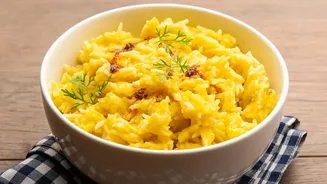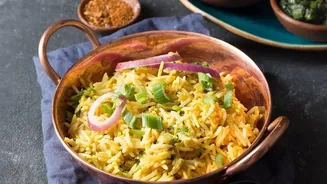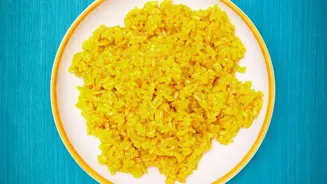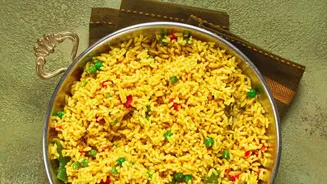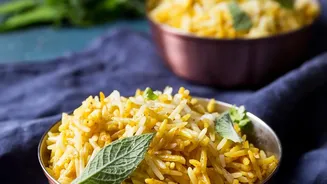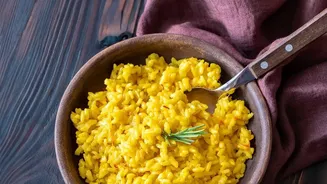






As winter evenings draw in, a chill settles in the air, and our cravings turn to dishes that offer warmth and comfort. Few things satisfy this seasonal need quite like a steaming plate of spiced saffron rice, a feast for the senses.
The Golden Thread of Comfort
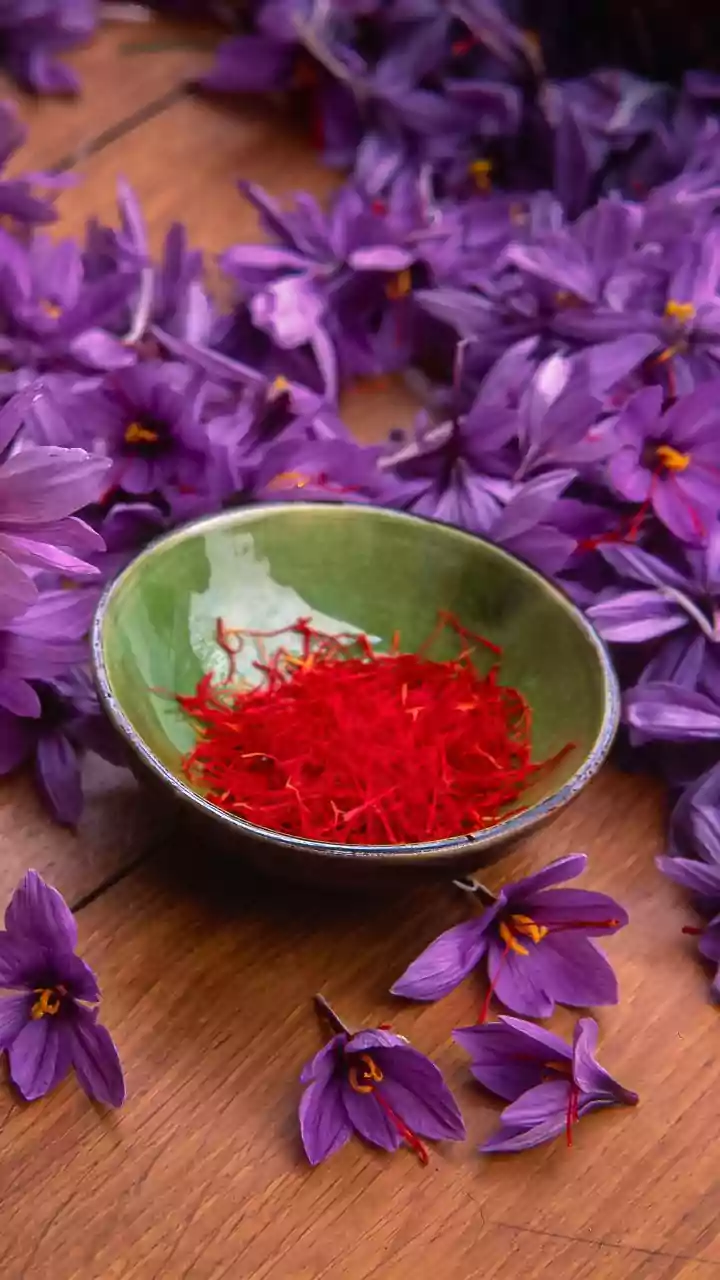
Saffron, the crimson
stigma of the Crocus sativus flower, is more than just the world's most prized spice; it's a thread woven through culinary history. For centuries, it has been cherished not just for its ability to turn dishes a brilliant gold but for its unique, honey-like aroma and subtle, earthy flavour. Its use in rice is a tradition spanning from Spain to India, a symbol of celebration, hospitality, and warmth. In Persian culture, saffron rice is the heart of the meal, a dish that signifies joy and abundance. The spice was carried along ancient trade routes, becoming a staple in royal kitchens and a treasured ingredient for festive occasions. This history is infused into every grain of rice it touches, making a simple meal feel like a special event.
A Symphony of Warming Spices
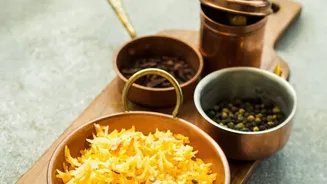
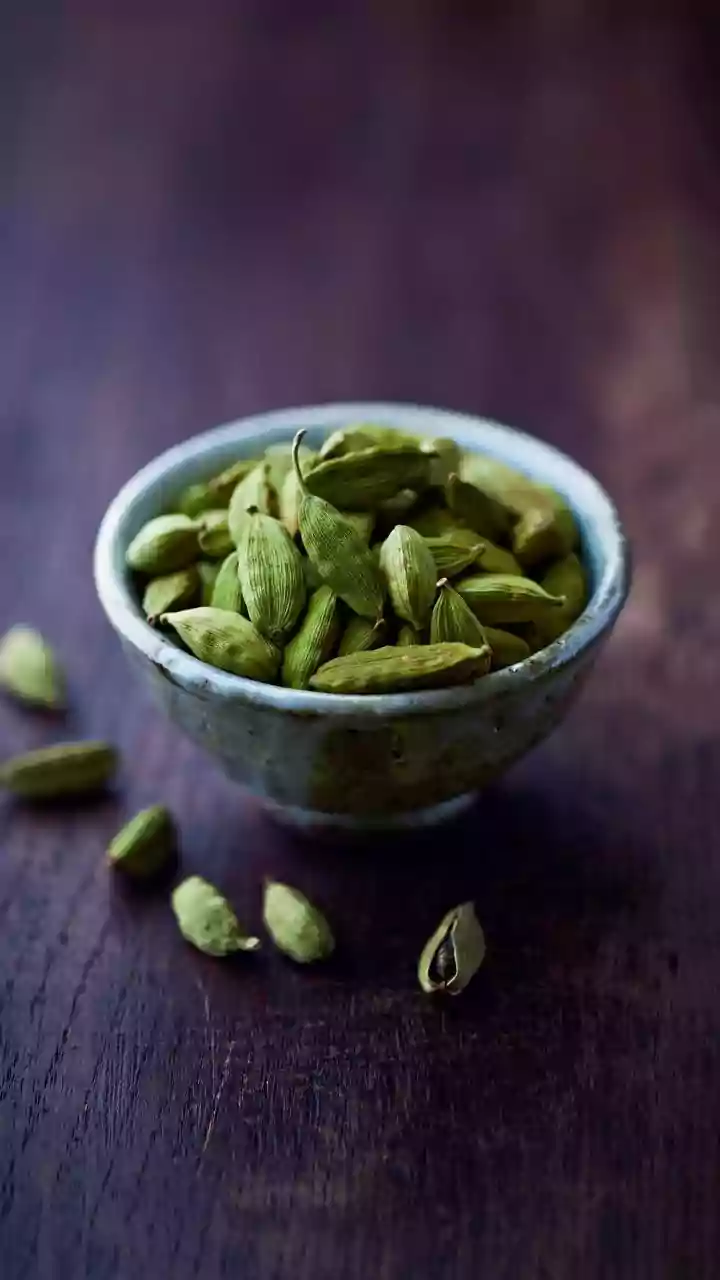
While saffron is the star, its magic is amplified by a chorus of supporting spices that are perfect for winter. The key is to choose aromatics that complement saffron's delicate floral notes rather than overpowering them. Spices like green cardamom, with its bright, citrusy sweetness, and cinnamon, with its gentle warmth, are classic partners. A hint of clove or a scattering of cumin seeds toasted in ghee can add a deeper, earthier layer to the dish. For a truly fragrant pilaf or biryani, many cooks also use bay leaves and a touch of nutmeg. These combinations do more than just flavour the rice; they create an enveloping aroma that fills the kitchen and warms the soul on a cold night.
Iconic Dishes to Inspire You
The beauty of saffron rice lies in its versatility, with each culture offering its own iconic interpretation. In India, it is the soul of a celebratory Biryani, where saffron-infused milk is drizzled over layers of rice and marinated meat or vegetables, creating beautiful streaks of gold and white. The result is a dish where some grains are white, some are golden from the saffron, and others are stained by the rich masala below. From Persia comes Tahdig, the prized crispy layer of rice from the bottom of the pot. This beloved dish involves steaming parboiled rice over a layer of oil, butter, and saffron-yogurt mix, resulting in a crunchy, golden crust that is fought over at the dinner table. In Italy, Risotto alla Milanese offers a creamy, comforting bowl of Arborio rice slowly cooked in a saffron-infused broth until velvety. And in Spain, Paella uses saffron to give its signature colour and flavour to rice cooked with seafood, chicken, and vegetables in a wide, shallow pan.
Tips for Perfect Saffron Rice
To get the most out of this precious spice, a little care goes a long way. The most crucial step is to 'bloom' the saffron before using it. Instead of throwing the threads directly into the pot, gently crush a generous pinch (about 15-25 threads for a family-sized dish) and steep them in a few tablespoons of warm, not boiling, milk or water for at least 20 minutes. This simple act coaxes out the saffron's vibrant colour and full aroma. When making a layered dish like biryani, drizzle the saffron liquid over the top layer of rice just before sealing the pot to steam; this creates the signature mottled effect. For a simpler pilaf, you can add the bloomed saffron and its liquid along with the broth. Always use good quality basmati rice, rinse it well to remove excess starch, and let the cooked dish rest for a few minutes before fluffing gently with a fork.