


The Magic of a Master Gravy
The foundation of most traditional Indian curries is a flavourful base, often called a masala or gravy, built by slowly cooking aromatics like onions, ginger, and garlic with tomatoes and spices. This process, while crucial for developing deep, complex
flavour, is also the most time-consuming part of making a curry from scratch. By preparing a large batch of this base ahead of time, you are essentially doing the heavy lifting upfront. This concept is the secret behind how Indian restaurants can serve a wide variety of curries so quickly. With a pre-made base in your fridge or freezer, a restaurant-quality meal can be ready in under 20 minutes.
The All-Purpose North Indian Base
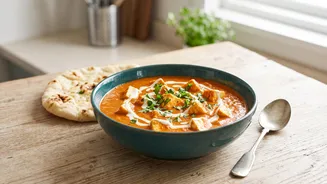
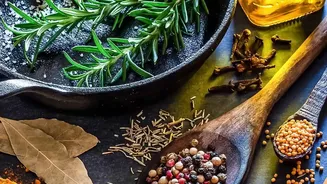
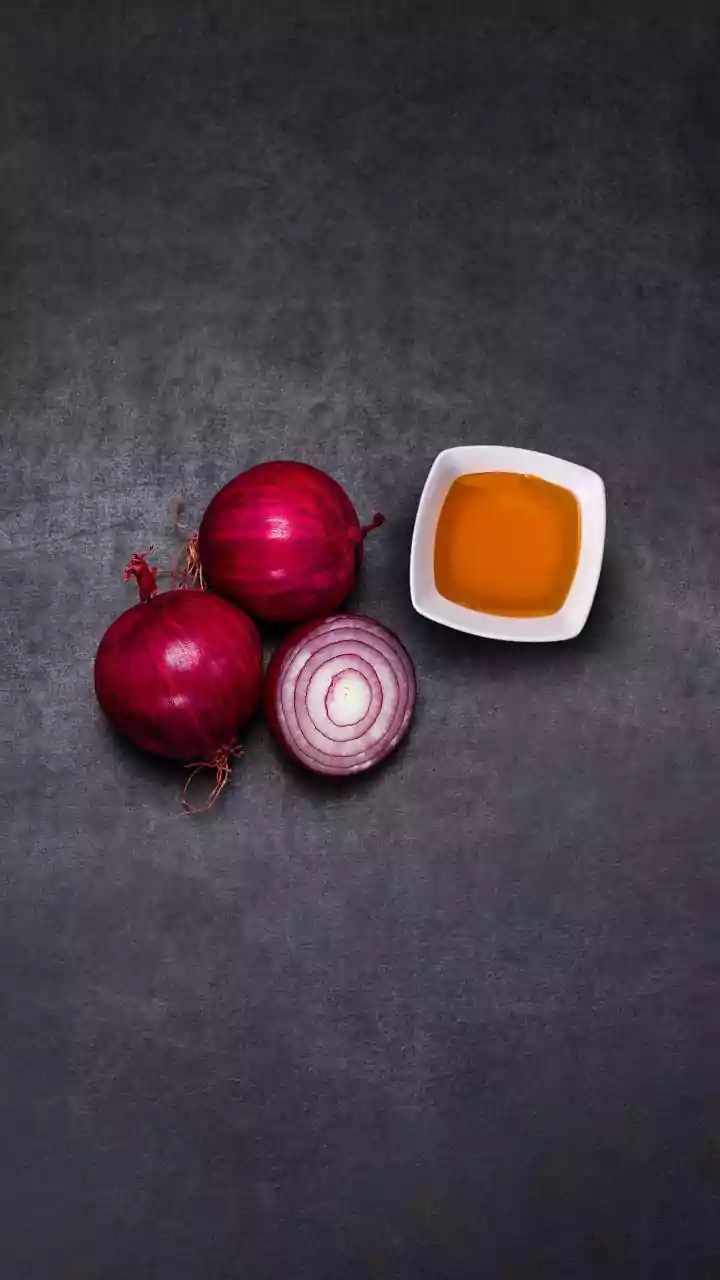
The quintessential North Indian curry base is a robust blend of onion and tomato, cooked down until rich and thick. To make it, start by finely chopping a large quantity of onions and sautéing them in oil or ghee until they are deeply golden brown, a process that can take up to 30 minutes but is key to the flavour. Next, add ginger and garlic paste and cook for another few minutes until fragrant. Then, introduce your ground spices—turmeric, coriander powder, cumin, and red chilli powder are the essentials. Finally, add puréed or finely chopped tomatoes and cook the entire mixture until it thickens and you see the oil begin to separate from the masala, a visual cue that it's perfectly cooked. This versatile base is the starting point for beloved dishes like chana masala, paneer butter masala, rajma, and countless chicken or vegetable curries.
The Versatile South Indian Base
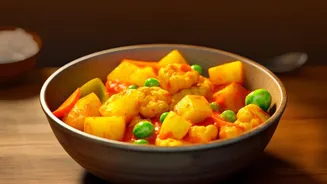
South Indian curries often feature a different flavour profile, frequently built on a base of coconut, tamarind, and a distinct blend of spices. For a versatile South Indian base, you can create a paste by grinding fresh or desiccated coconut with dried red chillies, coriander seeds, cumin seeds, and a small amount of tamarind paste for a tangy note. This paste can then be cooked in a little oil with mustard seeds and curry leaves until fragrant. Alternatively, a simple tomato and onion base, similar to the North Indian version but often lighter and seasoned with sambar powder or a different spice mix, can also be prepared. This type of base is perfect for making vegetable kurma, fish curries, or tangy kuzhambu.
Your Guide to Smart Storage
Proper storage is essential to preserving the flavour of your hard work. Once your curry bases have cooled completely, you can store them in airtight containers in the refrigerator for up to a week. For longer-term storage, the freezer is your best friend. A highly effective method is to portion the base into ice cube trays. Once frozen solid, transfer the cubes into a zip-top freezer bag, squeezing out as much air as possible. These cubes can be stored for up to three months. This allows you to grab exactly the amount you need for a single meal, preventing waste and making weeknight cooking incredibly efficient.
From Base to Bowl in Minutes
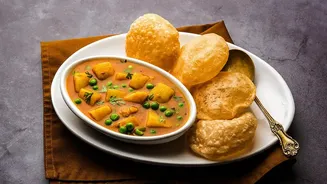
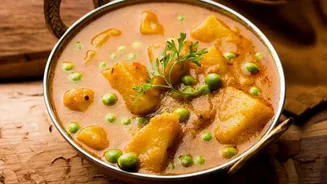
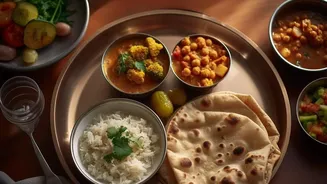
With your bases prepped, weeknight dinners become a simple assembly job. For a quick North Indian meal, heat a few cubes of your onion-tomato base in a pan. Add your protein of choice—like sautéed paneer, boiled chickpeas, or pre-cooked chicken—and a splash of water or cream to achieve your desired consistency. Simmer for 5-10 minutes, garnish with fresh coriander, and your curry is ready. For a South Indian dish, heat your coconut or tomato base, add steamed vegetables or fish, and let it simmer. A final tempering (tadka) of mustard seeds and curry leaves in hot oil poured over the top will add a fresh burst of flavour.