






Why Modern Travel Is So Unpredictable
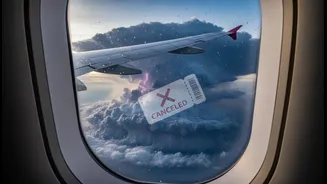
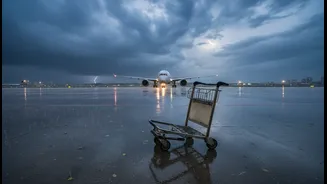
A combination of factors has created a perfect storm for travel disruptions. Extreme weather events, from summer heatwaves and thunderstorms to winter storms, are becoming more frequent and severe, grounding flights across entire regions. At the same
time, the aviation system is under immense pressure from high passenger demand, coupled with persistent staffing shortages that affect everyone from pilots to air traffic controllers. This means that even a small issue at one airport can trigger a cascade of delays and cancellations across the country and even internationally. Flights are often fully booked, leaving few spare seats to re-accommodate stranded passengers.
Smarter Booking Strategies
Your backup plan begins before you even book your ticket. Whenever possible, opt for nonstop flights to reduce the chances of a misconnect. The first flight of the morning is statistically less likely to be delayed, as it isn't dependent on an inbound aircraft that may be running late. When booking, consider flying into a larger international airport, which may have more alternative flight options if a cancellation occurs. It's also wise to book directly with the airline; this can simplify the process of rebooking or getting a refund if things go wrong. Finally, if your trip has a critical, can't-miss event like a wedding or cruise departure, build a buffer by planning to arrive a day early.
Pack a 'Disruption Kit' in Your Carry-On
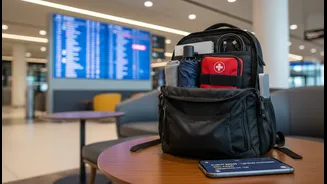
Never assume your checked luggage will be with you if you get stranded. Your carry-on should contain everything you need to comfortably survive a 24-hour delay. This includes essential medications (with a few extra days' supply), a portable power bank for your phone, and basic toiletries like a toothbrush and face wipes. Pack a complete change of clothes, including underwear and socks. A reusable water bottle and some non-perishable snacks like protein bars can be a lifesaver when airport shops are closed or crowded. Entertainment, like movies or shows downloaded to your device, and noise-cancelling headphones can also help pass the time.
Mastering Your Digital Toolkit
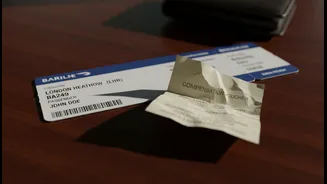
Your phone is your most powerful tool in a travel disruption. Before you leave, download your airline's app and enable push notifications for real-time updates on your flight status, gate changes, and delays. In the event of a cancellation, the app is often the fastest way to rebook yourself. Also, have apps for flight tracking, like FlightAware, which can give you information about your inbound aircraft that the airline might not share. Keep hotel booking apps handy in case you need to find last-minute accommodation. It's also a good idea to create a digital folder with copies of all your important documents, such as your passport, tickets, and reservation confirmations.
Know Your Rights and What to Do
When a delay or cancellation happens, stay calm and act fast. While other passengers are queueing at the customer service desk, you should be calling the airline's helpline and checking the mobile app simultaneously. In India, the DGCA's Passenger Charter outlines your rights. While airlines aren't typically required to pay cash compensation for weather-related events, they must offer either a full refund or an alternative flight. For long delays, you may be entitled to meals and refreshments, and for significant overnight delays, hotel accommodation. Keep all your receipts for any expenses you incur. If the airline isn't responsive, you can file a complaint through India's AirSewa portal.