







The So-Called 'Crackdown' Explained
The Food Safety and Standards Authority of India (FSSAI) has become noticeably more active. In early July 2026, it issued show-cause notices to several major brands, including Lotte India and Ferns N Petals, for alleged misleading claims. These actions
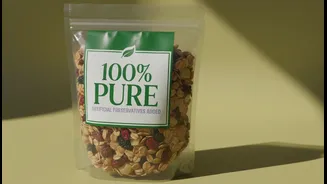
targeted everything from '100% Natural' claims on products containing preservatives to 'Premium Chocolate' made with vegetable fat instead of cocoa butter. This enforcement blitz isn't happening in a vacuum. It’s part of a broader, years-long effort to make food labels more honest and useful for consumers, driven by rising rates of obesity and lifestyle diseases in India.
What's New on the Packet?
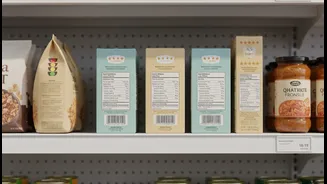
The centerpiece of FSSAI's plan is a Front-of-Pack (FoP) labelling system, specifically the Health Star Rating (HSR). This system, which has been in discussion for years, rates a product from half a star to five stars based on its overall nutritional profile. The idea is simple: more stars mean a healthier product. The calculation, however, is complex. It balances 'negative' nutrients like salt, sugar, and saturated fat against 'positive' components like fruits, nuts, and fibre. While the HSR system is currently in a voluntary phase, the Supreme Court has urged FSSAI to prioritize making such warning labels mandatory.
Why Experts Urge Caution
While more information seems better, many health experts are skeptical about the HSR system. A key criticism is that positive ingredients can offset negative ones in the rating algorithm. This could lead to a situation where a sugary cereal gets a decent star rating simply because it has added fibre or a sprinkle of nuts, potentially creating a misleading 'health halo' around an otherwise unhealthy product. Critics argue that a simple, direct warning label—like a black octagon for products 'High in Sugar,' similar to systems in Chile—would be more effective at informing consumers than a potentially confusing star rating.
Reading Between the Lines and Stars
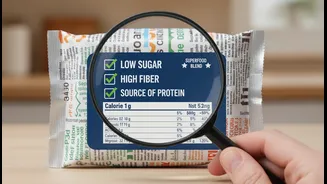
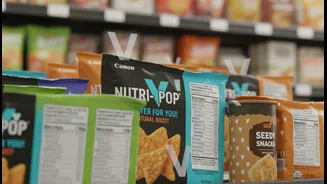
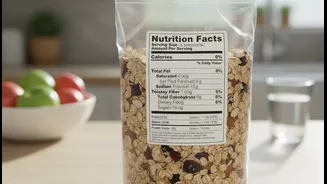
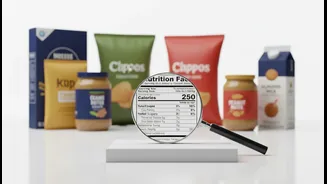
Until these new regulations are mandatory and universally understood, the power remains with the shopper who knows what to look for. The FSSAI's recent crackdown highlights a crucial lesson: the front of the pack is marketing, but the back of the pack is information. Always check the ingredient list. If sugar, salt, or 'hydrogenated vegetable fat' are near the top, be wary. Pay attention to the nutritional information panel, where the amounts of these ingredients are listed. The FSSAI has also moved to have salt, sugar, and fat displayed in bold, larger fonts. Claims like '100% Natural' or 'True Vitamin' are often unregulated and may mean very little, as FSSAI itself has pointed out by taking action against brands using them.
So, What's a Shopper to Do?
The increased vigilance from FSSAI is a positive step toward greater transparency. However, true food literacy goes beyond trusting a logo or a star. The 'crackdown' is a reminder that many brands have been making misleading claims for years. For the everyday grocery buyer, the best approach is a healthy dose of skepticism. Use the new Health Star Ratings as a rough guide, but don't let them replace the habit of reading the full ingredient list and nutrition panel. Understanding that a five-star rating doesn't automatically make a processed food a health food is key. The goal is to use these new tools critically, not blindly.