
The Main Attraction: Saturn's Glorious Return
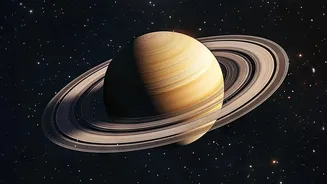
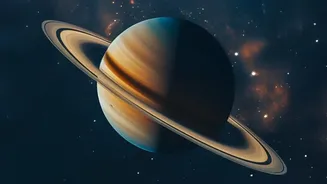
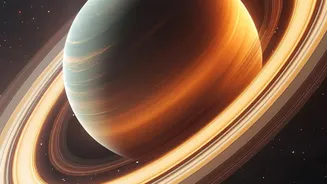
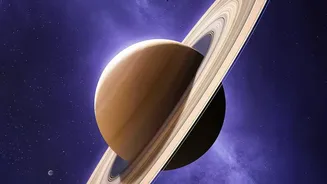
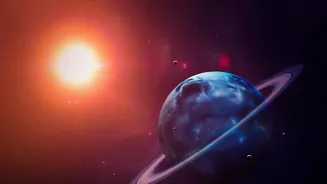
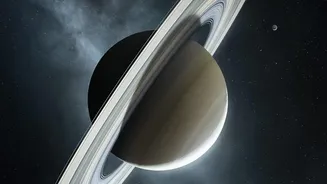
While Saturn will officially reach its annual peak brightness in early October, August is the month it truly returns to the evening sky as a must-see object. Throughout the month, the yellowish-hued planet will rise earlier and earlier, climbing higher
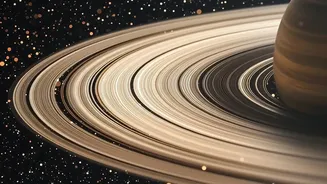
into the sky and becoming perfectly positioned for observation. By the end of August, Saturn will be visible from around 9 PM, rising in the east in the constellation Pisces. This is the perfect time to get reacquainted with the solar system's most majestic world. Even a modest amateur telescope will reveal its famous rings, which are now tilted favorably toward Earth, offering a clearer view than we have had in years. Mark your calendars for the nights of August 4th and August 31st, when the Moon will have close encounters with the planet, making it even easier to locate.
A Dazzling Meteor Shower Under Ideal Skies
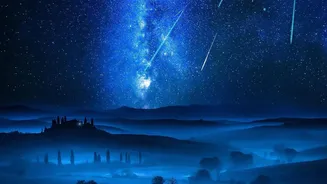
Arguably the most anticipated event this month is the annual Perseid meteor shower, and in 2026, the conditions are perfect. The shower will peak on the night of August 12th and into the early morning of August 13th. What makes this year so special is that the peak coincides with a New Moon, meaning the sky will be completely dark and free of lunar glare. This provides an ideal backdrop to witness the shower's full splendor. Under these dark skies, observers away from city lights could see between 50 and 100 meteors per hour. These fast, bright meteors are debris left behind by Comet Swift-Tuttle. For the best show, find a dark location after midnight, lie back, and look toward the northeast. No special equipment is needed, just patience.
An Evening With Venus, The Brightest Star
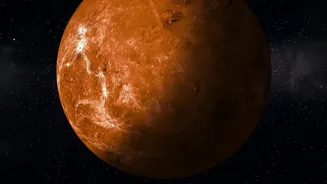
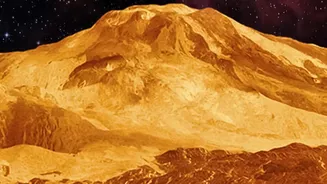
You won't have to stay up late to see every celestial wonder this month. Throughout August, the planet Venus will put on a commanding performance as the “Evening Star.” Shining with dazzling brilliance, it will be impossible to miss in the western sky shortly after sunset. It’s so bright that it is often the first point of light to appear in the twilight sky. On the evening of August 15th, look for a beautiful pairing as a thin crescent Moon hangs near the brilliant planet, creating a stunning photo opportunity. Through a telescope, you can watch Venus change phases, much like our own Moon. During August, it will appear about half-lit.
A Pre-Dawn Parade of Planets
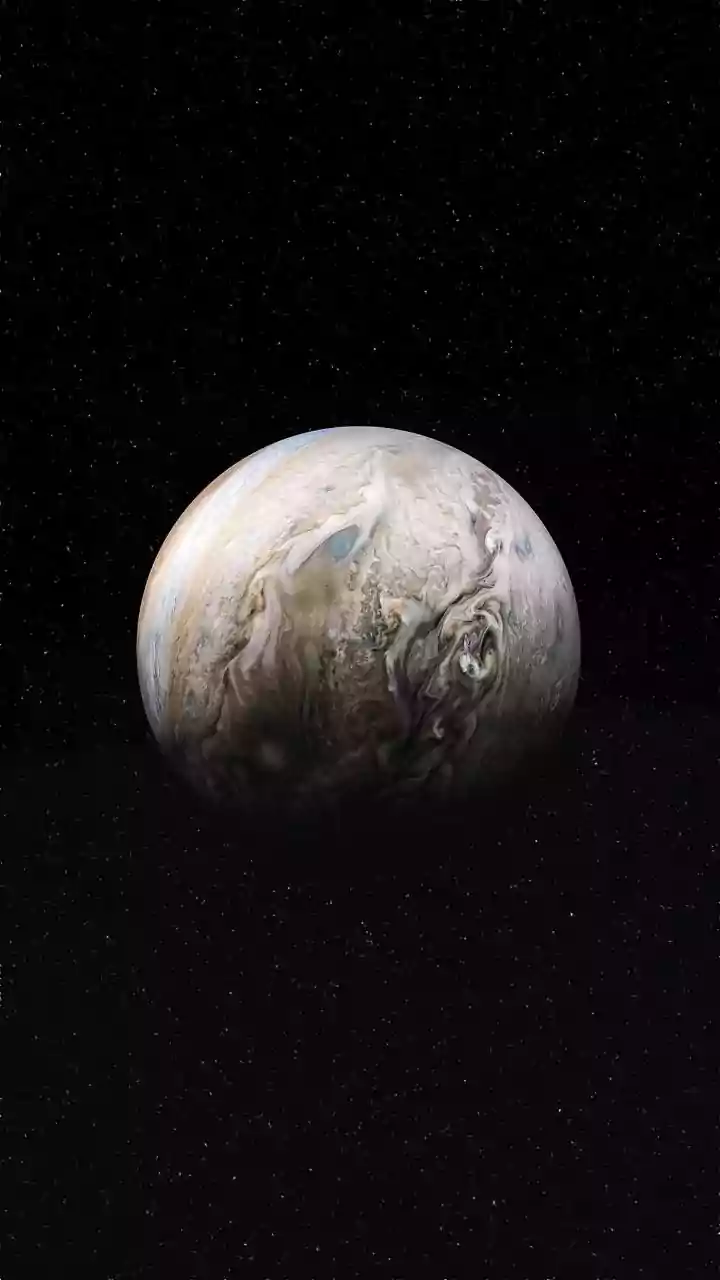
For the dedicated early risers, the days surrounding August 12th offer a rare treat: a six-planet parade stretched across the morning sky. Before sunrise, you can potentially spot Mercury, Jupiter, Mars, Saturn, Uranus, and Neptune all in a single session. However, not all will be equally easy to see. Reddish Mars and yellowish Saturn will be the most straightforward naked-eye targets, appearing high in the sky. Mercury will be a challenge, visible only for the first half of the month low in the east before dawn. Jupiter will be even lower and tougher to spot as it emerges from the Sun’s glare. For the distant ice giants, Uranus and Neptune, you will need at least a pair of binoculars or a small telescope.
Tips for Sky-Watching Success
To make the most of these celestial events, a little preparation goes a long way. First, try to get away from city lights. Light pollution washes out all but the brightest objects, and finding a darker location will dramatically increase what you can see, especially for the Perseid meteor shower. Second, give your eyes time to adapt. It takes about 20-30 minutes for your eyes to become fully accustomed to the darkness, so avoid looking at your bright phone screen. If you need light, use a red flashlight. Finally, consider using a stargazing app on your phone. Apps like Star Walk 2 or SkyView can help you identify planets, stars, and constellations in real-time, acting as your personal guide to the cosmos.