



Getting Your Pots Ready
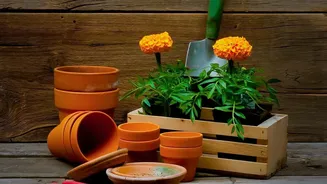
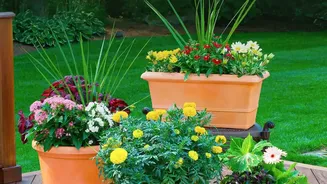
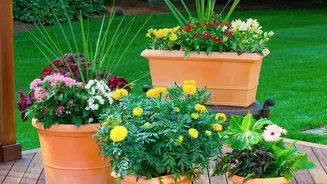
Before you start sowing seeds, a little preparation goes a long way. The foundation of successful container gardening is the right pot and a good soil mix. For most home gardens, terracotta or plastic pots are excellent choices. Ensure every pot has at least
one drainage hole at the bottom to prevent water from collecting and causing root rot. The ideal pot size depends on the plant; for the plants we're covering, a pot that is 8-12 inches deep and wide is a great start. Avoid using heavy garden soil, which can become hard and compact in pots. Instead, use a light, well-draining potting mix. A simple and effective mix for Indian conditions is equal parts coco peat, compost (like vermicompost or well-rotted cow dung), and regular red soil. This combination retains adequate moisture while allowing excess water to drain and providing essential nutrients.
The Golden Glow of Marigolds (Genda)
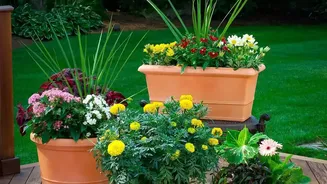
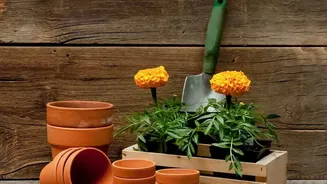
Marigolds are a staple in Indian households, especially during the festive season, and they are one of the easiest flowers for beginners to grow. Their bright orange and yellow blooms bring cheer to any space. Marigolds thrive in full sunlight, so pick a spot on your balcony or terrace that receives at least six hours of direct sun daily. You can sow the seeds directly into your prepared pots. Plant them about half an inch deep, cover lightly with soil, and water gently. The seeds typically sprout within a week. Water the plants whenever the top inch of soil feels dry to the touch, but be careful not to overwater. A great tip to encourage a bushier plant with more flowers is to pinch off the faded or dried blooms regularly. This practice, known as deadheading, directs the plant's energy into producing new flowers rather than seeds.
The Festive Charm of Chrysanthemums (Guldaudi)
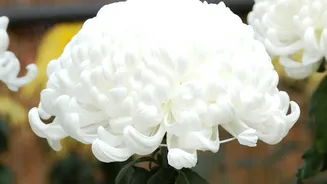
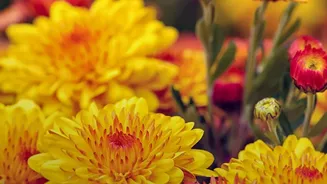
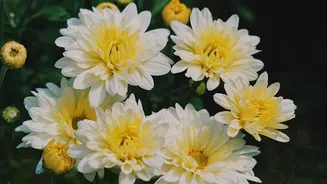
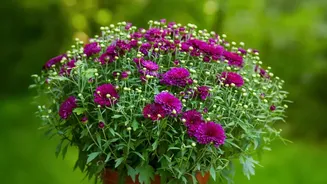
Chrysanthemums, or 'Guldaudi', are another quintessential winter flower in India, loved for their dense, multi-petaled blooms. Similar to marigolds, they are sun-loving plants and require five to six hours of direct sunlight for abundant flowering. Planting them in October ensures you'll have beautiful blooms from winter well into the new year. You can propagate chrysanthemums from cuttings or buy small saplings from a local nursery. For potting, use the same well-draining soil mix. The key to happy chrysanthemums is proper watering; their shallow roots can dry out quickly, but they are also prone to root rot if the soil is constantly soggy. Water deeply only when the top two inches of soil feel dry. To get a fuller, bushier plant, you can pinch off the top set of leaves when the plant is about six inches tall. This encourages it to grow more side branches, which will eventually lead to more flowers.
The Goodness of Homegrown Spinach (Palak)
There is nothing quite like the taste of fresh, tender spinach harvested right from your own pot. 'Palak' is a cool-season crop, making the mild weather of October the perfect time to start growing it. Spinach has relatively shallow roots, so a pot that is 6-8 inches deep but wide is ideal. Fill your pot with a nutrient-rich potting mix, as leafy greens are heavy feeders. Sprinkle the seeds evenly over the soil surface and cover them with a thin layer, about half an inch deep. Water gently. Keep the pot in a spot that receives about four to six hours of soft morning sunlight, as harsh afternoon sun can cause the leaves to turn bitter. The soil should be kept consistently moist but not waterlogged. You can start harvesting the outer leaves in about 40-50 days, leaving the inner leaves to continue growing. This 'cut-and-come-again' method will give you a steady supply for weeks.