



Starting the day with a balanced meal is crucial for managing diabetes. A thoughtful breakfast can prevent blood sugar spikes and keep you energised. One of the simplest yet most powerful ways to achieve this is by incorporating fibre-rich seeds.
Why Fibre is a Diabetic's Best Friend
Before
diving into the seeds themselves, it’s important to understand why fibre is so beneficial for blood sugar control. When you eat, carbohydrates are broken down into glucose, which enters your bloodstream. Fibre, a type of carbohydrate your body can't digest, plays a crucial role in slowing this process down. Soluble fibre, in particular, dissolves in water to form a gel-like substance in your stomach. This gel slows digestion, which means sugar is released into the bloodstream more gradually, preventing sharp, sudden spikes in glucose levels. This not only helps with immediate blood sugar management but also contributes to feeling fuller for longer, which can aid in weight management.
1. Chia Seeds
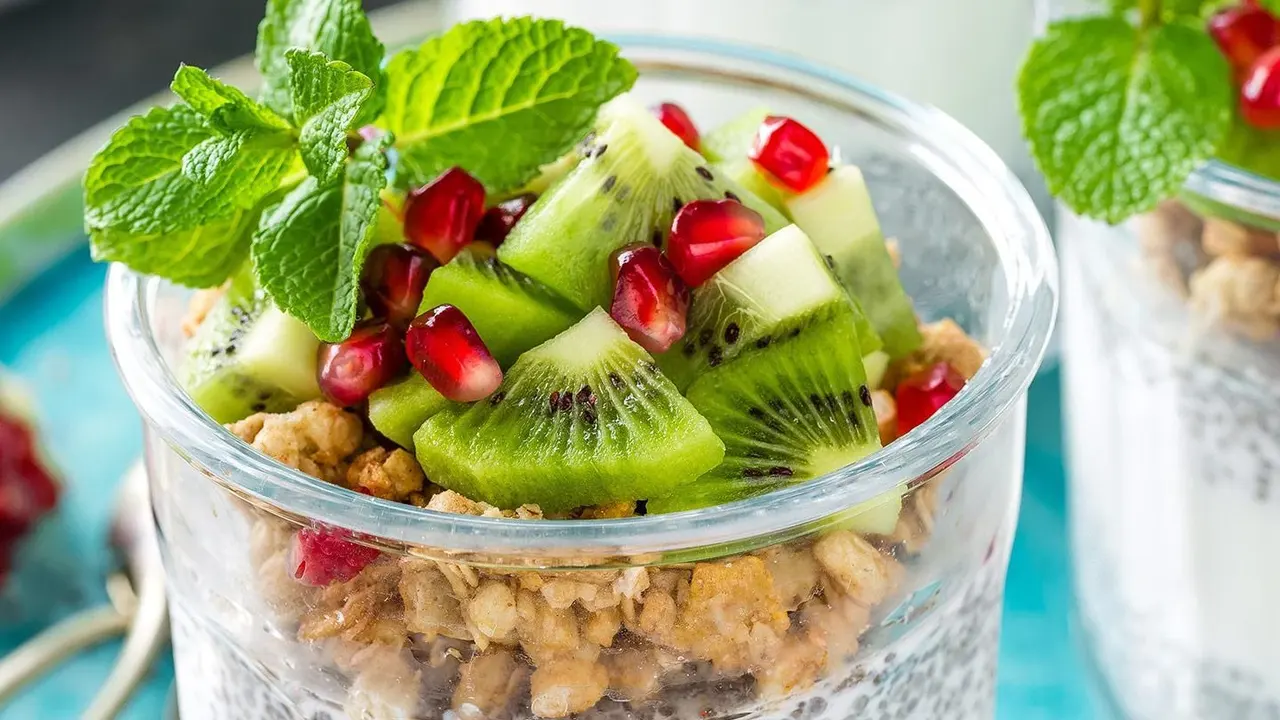
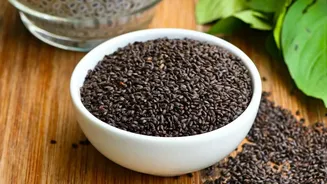
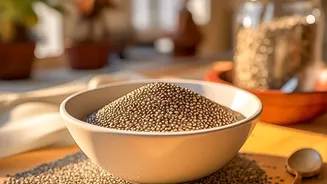
These tiny black and white seeds are nutritional powerhouses. Chia seeds are exceptionally rich in soluble fibre, which is what gives them the ability to absorb liquid and form a gel. This quality makes them perfect for creating a satisfying, pudding-like texture when soaked overnight. Just two tablespoons contain about 10 grams of fibre. This high fibre content significantly slows down sugar absorption, helping to keep blood sugar levels stable after a meal. Chia seeds are also packed with omega-3 fatty acids and protein. You can easily add them to yogurt, smoothies, or make a simple chia pudding for a ready-to-go breakfast.
2. Flax Seeds (Alsi)
Commonly known as 'alsi' in India, flax seeds are another fantastic source of fibre and healthy fats. They are particularly noted for their content of lignans, which are plant compounds with antioxidant properties that may improve insulin sensitivity. Due to their high fibre content, flax seeds have a low glycemic index, meaning they won't cause a rapid increase in your blood sugar. For your body to access their full benefits, it's best to consume them ground; otherwise, the whole seeds may pass through your system undigested. Sprinkle ground flax seeds over oatmeal, mix them into dosa or idli batter, or blend them into a morning smoothie for an easy nutritional boost.
3. Pumpkin Seeds (Kaddu Ke Beej)
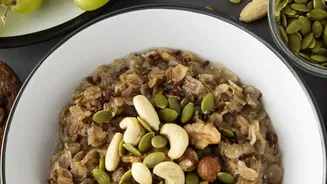
Pumpkin seeds are not just a crunchy snack; they are loaded with nutrients vital for diabetes management. They are an excellent source of magnesium, a mineral that plays a crucial role in glucose control and insulin sensitivity. Many people with type 2 diabetes have low magnesium levels, making pumpkin seeds a valuable dietary addition. Along with magnesium, they provide a good mix of fibre, protein, and healthy fats, all of which work together to slow down carbohydrate absorption and prevent blood sugar spikes. Enjoy a small handful as a snack, or sprinkle them over yogurt, porridge, or even upma for added texture and nutrients.
4. Sunflower Seeds (Surajmukhi Ke Beej)
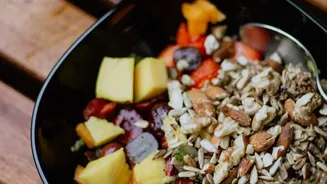
Sunflower seeds offer a healthy dose of protein, healthy fats, and fibre, a combination that helps in slowing down how quickly your stomach empties. This leads to a more gradual release of sugar from your meal into the bloodstream. These seeds are also rich in vitamin E and plant compounds like chlorogenic acid, which may contribute to their blood-sugar-lowering effects. Some studies have shown that regular consumption of sunflower seeds as part of a healthy diet can lead to a reduction in fasting blood sugar levels. Add unsalted sunflower seeds to salads, trail mixes, or as a crunchy topping for your morning meal.
5. Sesame Seeds (Til)
A staple in many Indian kitchens, sesame seeds ('til') are rich in healthy fats, protein, and fibre. They are also a great source of magnesium, which can help lower blood pressure and support blood sugar control. The combination of protein and healthy fats in sesame seeds promotes satiety and helps stabilise glucose levels. Research has suggested that compounds in sesame, including its oil, may have a positive impact on fasting blood sugar and longterm glycemic control markers. You can sprinkle them over poha or other savoury breakfasts, blend them into tahini for a smoothie base, or incorporate them into homemade energy bars.