






The Dreaded One-Word Reply
You ask a question or share some exciting news, and the reply you get is a single, solitary word: 'Okay', 'Fine', or 'Cool'. In person, this might be accompanied by a smile, but in a text, it can feel like a slammed door. These abrupt answers often come
across as dismissive or uninterested, leaving the sender wondering if they've said something wrong. The lack of information forces the other person to guess your emotional state, and our brains often jump to negative conclusions in the absence of more data.The Fix: A simple courtesy is to add a little more substance. Instead of just 'Okay', try 'Okay, sounds good!' or 'Thanks for letting me know'. A single extra word or an emoji can transform a cold, ambiguous reply into a warm and clear confirmation. If you're busy, it's better to say so directly: 'Can't talk right now but will get back to you soon!' That's far more respectful than a blunt, one-word message.
The 'K' Conundrum
Of all the one-letter responses, 'K' is perhaps the most notorious. While it's just a shorthand for 'Okay', it has developed a reputation for being passive-aggressive and curt. Internet linguists note that in the digital world, where we have the ability to type full words, choosing the shortest possible reply can signify a lack of care or even annoyance. It feels less like an acknowledgement and more like an insult, a deliberate signal that you want to end the conversation immediately.The Fix: Just don't use it. Typing 'Ok' or 'Okay' takes barely a second longer and completely removes the passive-aggressive sting. If you want to acknowledge a message and end the exchange politely, a simple 'Got it, thanks!' or a thumbs-up emoji works perfectly. The goal is to close the loop without making the other person feel dismissed.
The Notification Bomb
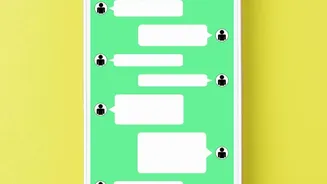
This happens when someone sends a single thought broken up into multiple, separate texts.HeyWhat are you doing later?I was thinkingMaybe we could see a movie?Each message triggers a new notification, creating a barrage of buzzing and beeping that is incredibly distracting and annoying for the recipient. It breaks the flow of their thoughts and can feel overwhelming. This habit, sometimes called 'double-texting' or 'multiple fire', makes a simple message harder to follow and can come across as impatient or frantic.The Fix: Think before you type. Take a moment to gather your complete thought and send it in a single, well-structured message. If you need to add something you forgot, that's fine, but try to avoid sending a stream-of-consciousness series of texts. Respecting the other person's peace and attention span is a core part of good texting etiquette.
The Read-Receipt Ghost
You send a message. You see the 'Read' notification pop up. And then... silence. Being left 'on read' is one of the most frustrating modern communication experiences. While not every text requires an immediate response, seeing that your message has been seen and consciously ignored can feel like a direct slight. It creates anxiety and forces the sender to wonder if they are being deliberately snubbed. Psychologically, this triggers our brain's discomfort with uncertainty.The Fix: Common courtesy calls for a prompt acknowledgement. If you've read the message but are too busy to craft a full reply, a quick 'Saw this, will reply properly in a bit!' is all it takes. This simple act respects the sender's feelings and manages their expectations. It acknowledges their message and lets them know you're not ignoring them, preventing the downward spiral of negative assumptions.
The Vague or Ambiguous Message
Texting lacks the crucial context provided by tone of voice and body language, which account for over 90% of communication. A message like 'We need to talk' or 'Call me later' without any further explanation can send the recipient into a panic, as their mind races to fill in the blanks with worst-case scenarios. This is because our brains have a negativity bias, which means we tend to interpret ambiguous information as threatening.The Fix: Always aim for clarity. Instead of 'We need to talk', try 'Hey, can we chat later today about the weekend plans? Nothing serious!' Providing even a small amount of context removes ambiguity and prevents unnecessary anxiety. Being explicit and mindful of how your words might land on the other side is the foundation of courteous digital communication.