

The Rise of the Curve
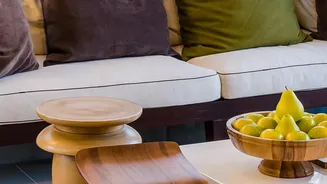
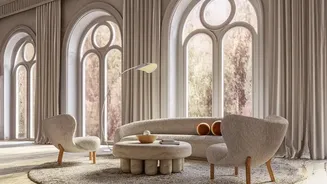
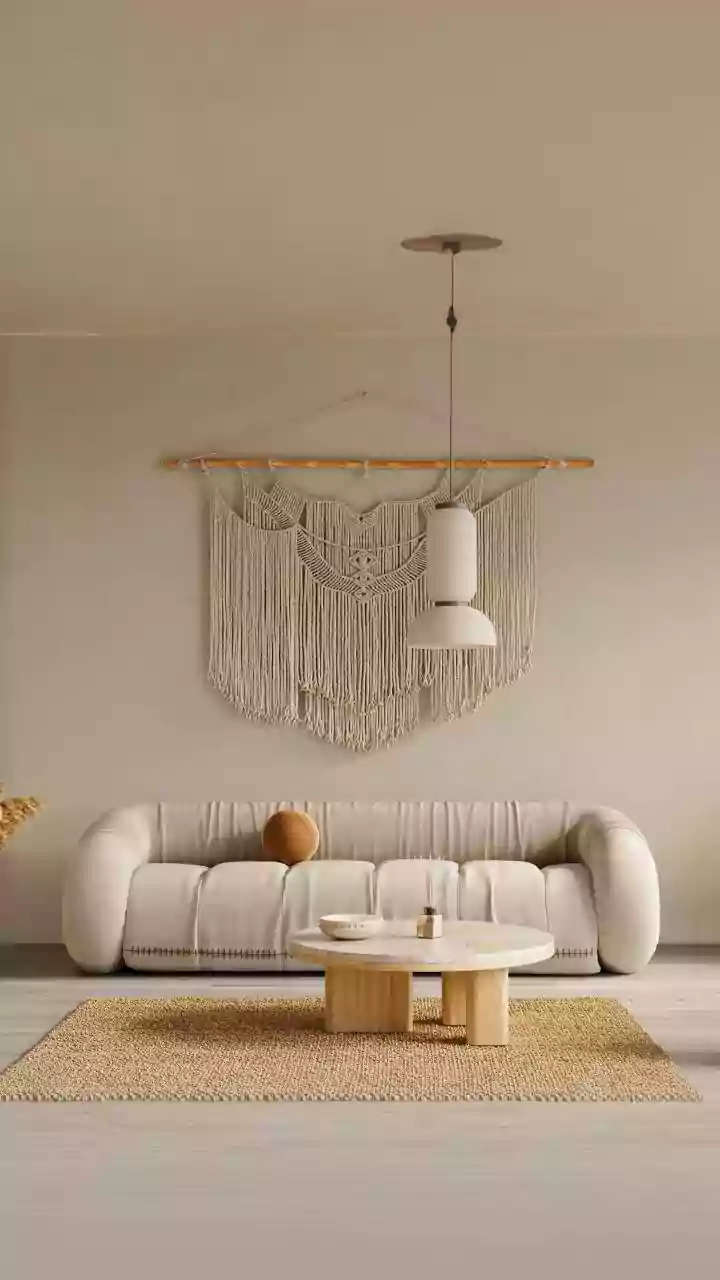
The boxy, right-angled sofa and rectangular coffee table that once defined contemporary design are being replaced by something more fluid. Rounded sofas, oval tables, arched mirrors, and sculptural chairs are dominating Indian interiors. This is not just
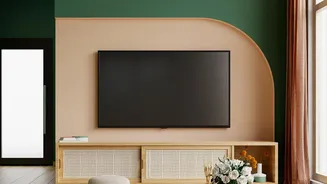
a fleeting trend but a fundamental shift towards furniture that is more enveloping and cocooning. The reasons are twofold: after spending more time at home, there's a collective desire for genuine comfort over status-signaling designs. Secondly, as design inspiration moves online, the soft shadows and photogenic nature of curved pieces have made them social media darlings.
A Return to Nature's Palette
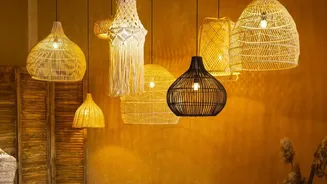
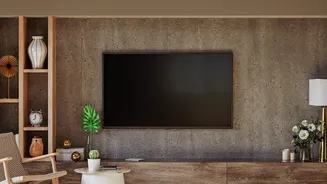
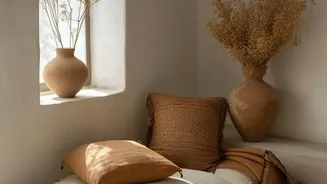
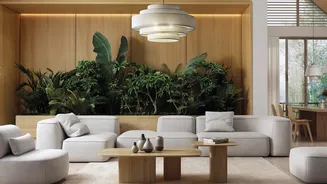
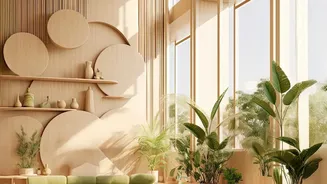
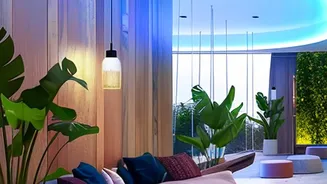
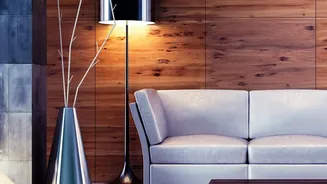
Complementing these softer shapes is a renewed focus on natural materials. Wood, stone, clay, bamboo, jute, and linen are no longer just accents but are forming the primary vocabulary of rooms. Designers are highlighting visible wood grains in teak and oak, using natural stone for counters and ledges, and incorporating handmade tiles and textured plasters. This move is deeply connected to the principles of biophilic design, which seeks to connect our indoor spaces with the natural world. The use of these materials adds warmth, texture, and a sense of calm that highly polished or synthetic surfaces often lack.
A New Chapter in Indian Modernism
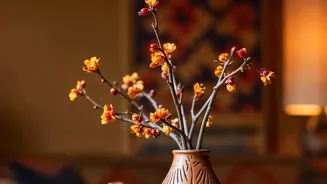
This trend is more than just an import of global aesthetics; it's a reinterpretation of Indian design traditions. Traditional Indian architecture has always been inherently biophilic, with elements like central courtyards, verandahs, and the use of local materials. The current trend can be seen as a modern translation of these ancestral instincts. Designers are pairing traditional Indian materials and crafts—like terracotta, cane, and intricate woodwork—with clean, minimalist layouts. This fusion creates a unique, contemporary Indian style that feels both globally aware and culturally rooted, celebrating craftsmanship over mass production.
The Psychology of a Softer Home
At its core, this design shift is about how we want our homes to feel. Curved forms are psychologically associated with comfort and ease, while sharp angles can feel more formal and guarded. As homeowners increasingly prioritize wellness and mental clarity, they are creating spaces that serve as sanctuaries from a fast-paced urban world. A home filled with natural textures and soft, organic shapes is inherently more calming and restorative. It’s a move away from designing rooms that look like they're performing good taste, and towards creating homes that are genuinely comfortable to live in.
How to Embrace the Trend
You don't need a complete overhaul to bring this contemporary feel into your home. Start small. An oval coffee table can instantly change the flow of a living room, making movement easier and safer. A single, sculptural armchair with rounded edges can become a beautiful focal point in a corner. Introduce natural textures with jute rugs, linen cushions, or terracotta planters. The goal is to balance the old with the new. Pair a new curved piece with your existing furniture to soften the room's geometry without losing its structure. The key is to add just enough curves and natural touches to make your space feel more human-centric and serene.