




A Perfect Pair for Full-Body Fitness
Trail hiking is a fantastic lower-body and cardiovascular workout. It strengthens your glutes, quadriceps, hamstrings, and calves while building endurance. However, it primarily focuses on the legs and repetitive forward motion. Stand-up paddleboarding
(SUP), on the other hand, is a full-body exercise that places a significant emphasis on core strength and the upper body. Paddling engages your back, shoulders, and arms, while the constant need to balance on the board provides an intense workout for your abdominal and oblique muscles. By combining these two activities, you create a well-rounded fitness routine that targets virtually every muscle group, moving from a leg-dominant day on the trail to an upper-body and core-focused session on the water.
Low-Impact Cardio That’s Easy on the Joints
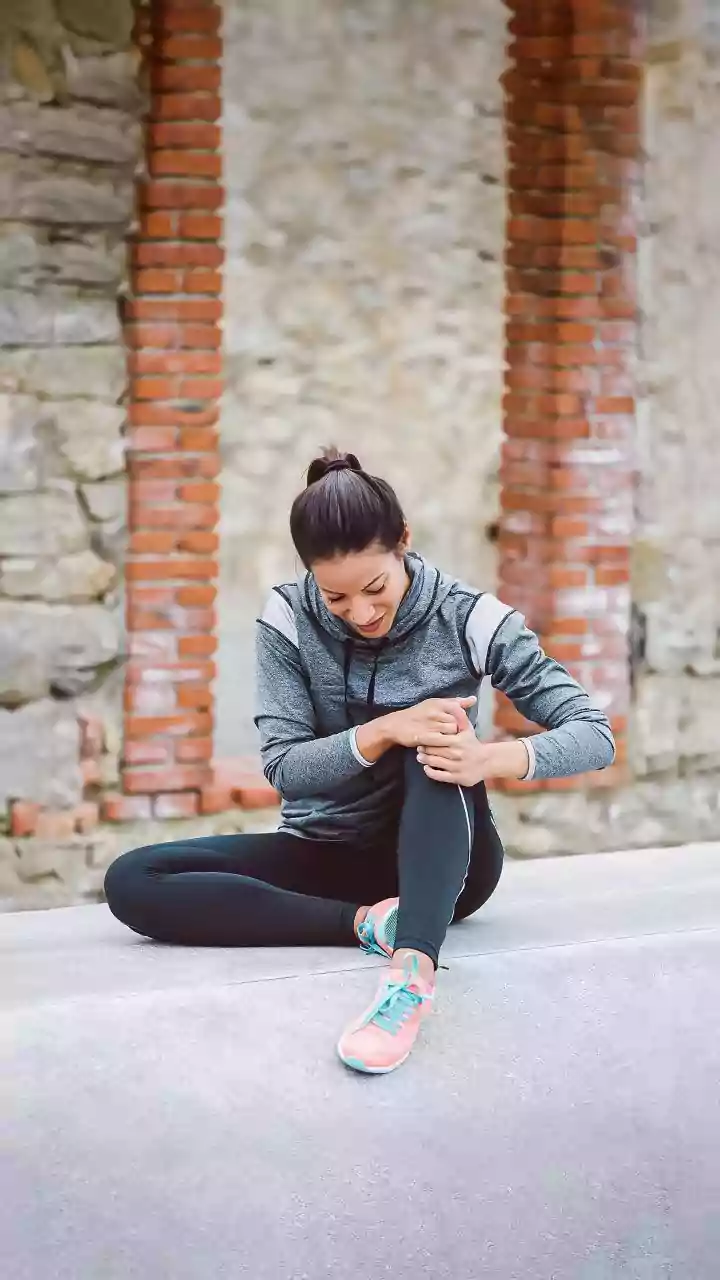
While hiking can be strenuous, especially on downhill sections, paddleboarding is celebrated for being a low-impact activity. Unlike running or even aggressive hiking, SUP is gentle on your joints, including your knees, hips, and ankles. The water absorbs the impact, making it an excellent form of active recovery or an alternative for days when your joints need a break from the pounding of the trail. This makes it an incredibly sustainable form of exercise for people of all ages and fitness levels. You can get your heart rate up for a great cardio session without the associated wear and tear, burning anywhere from 300 to over 500 calories an hour depending on your intensity.
Building a Stronger, More Stable Core
The secret to paddleboarding's effectiveness lies in its demand for balance. From the moment you stand on the board, your core muscles are fired up and constantly making tiny adjustments to keep you stable. This continuous engagement builds functional core strength in a way that crunches or planks alone cannot replicate. A stronger core, developed on the water, pays dividends back on the trail. It improves your posture, enhances your stability on uneven terrain, reduces the risk of back pain, and allows for a more efficient transfer of power with every step you take. This synergy means your time on the board directly makes you a better, more resilient hiker.
From the 'Green Mind' to the 'Blue Mind'
Combining hiking and paddleboarding isn't just about physical cross-training; it's also about mental and emotional balance. Exercising in nature, or 'green exercise', is known to reduce stress and improve mood. Hiking grounds you in the forest, connecting you with the earth. Paddleboarding introduces you to the concept of the 'Blue Mind', a term coined by marine biologist Dr. Wallace J. Nichols. This theory suggests that being near, in, or on water promotes a mildly meditative state that can lower stress and anxiety, increase feelings of calm, and boost creativity. The rhythmic sound of the paddle and the gentle motion of the water create a tranquil experience that contrasts beautifully with the focused effort of a strenuous hike. This combination allows you to reap the mental health benefits of both green and blue spaces.