







The Rise of 'Stealth Health'
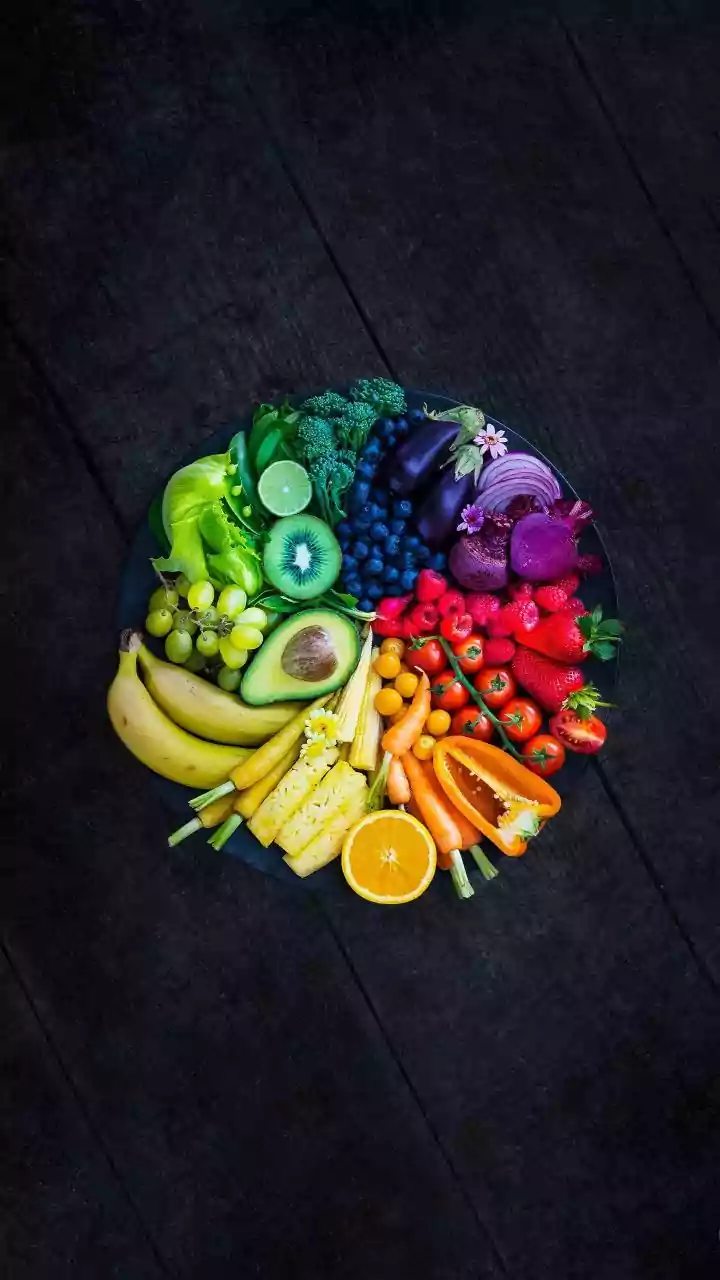
For years, 'healthy' on a menu was code for 'less tasty'. Diners often assume that a dish labelled as nutritious will be bland or unsatisfying. To get around this, chefs are embracing a strategy called “stealth health.” The idea is to improve the nutritional
profile of a dish without announcing it. This isn't about trickery; it's about making delicious food that just happens to be better for you. The focus is shifting from merely cutting calories to improving the overall quality of ingredients and using cooking techniques that enhance natural flavours instead of relying on fat, sugar, and salt. It's a move that respects both the diner's desire for a great meal and their long-term well-being.
Rethinking Flavour, Not Just Fat
The secret to this new approach is a flavour-first philosophy. Instead of frying, chefs are grilling, roasting, steaming, and poaching to bring out the natural character of ingredients. Roasting vegetables, for instance, caramelises their natural sugars, creating a rich flavour that rivals fried options. There is also a greater emphasis on using fresh herbs, whole spices, citrus zest, and umami-rich components like mushrooms or tomato paste to build complex, satisfying tastes. Some chefs are even borrowing techniques from food trucks, which are masters at adding last-minute sauces and seasonings to create bold flavours in simple, fresh preparations.
Smart Swaps in the Kitchen
Recipe reformulation is central to this movement. Chefs are making clever substitutions that diners rarely notice. This can be as simple as using low-fat yoghurt or vegetable purées instead of cream to create rich, smooth sauces, or using whole-grain flours in place of refined ones. In some dishes, a portion of the minced meat might be replaced with finely chopped mushrooms or lentils, a practice the Culinary Institute of America calls the “Protein Flip.” This not only reduces red meat consumption but also lowers cost and adds fibre. Even simple changes, like using cooking spray or a bit of broth instead of oil for sautéing, can make a significant difference.
The Modern Indian Thali
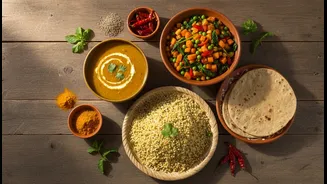
This global trend has a unique resonance in India, where traditional cuisine is rich in healthy spices but can also be heavy with ghee, cream, and sugar. Chefs are now reimagining classic Indian dishes. For instance, instead of deep-frying samosas, they might be baked. Cooking methods like tandoori grilling, which use a clay oven and minimal oil, are becoming more prominent. There's a renewed focus on the inherent health benefits of Indian spices like turmeric, ginger, and cumin. Dishes are being designed to be nutritionally balanced, prioritising lentils, chickpeas, and a wide array of vegetables. This aligns with new FSSAI regulations, which since 2022 have required many restaurants to display calorie counts and other nutritional information on their menus, pushing kitchens to think more carefully about their ingredients.
Why This Matters for Diners
The biggest driver behind this trend is you, the diner. Consumers are increasingly seeking food that supports their health without compromising on taste. For a long time, the responsibility for making a healthy choice fell entirely on the customer to decipher the menu. Now, restaurants are becoming better partners in that goal. By rethinking recipes from the ground up, the industry is moving toward a future where the 'healthy choice' isn't just a separate, often less appealing, section of the menu. Instead, the entire menu is becoming healthier by default. This shift empowers diners to simply order what sounds delicious, with the growing confidence that a chef has already considered their well-being in the kitchen.