







The Frozen Heart of the Climate System
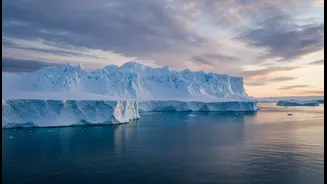
Antarctica is more than just a vast, icy wilderness; it is a fundamental regulator of Earth's climate. Its massive ice sheets act like a giant mirror, reflecting sunlight back into space and helping to cool the planet. However, as global temperatures
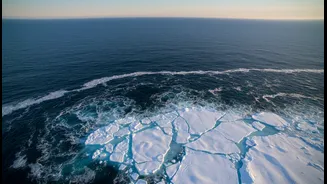
rise, this crucial system is showing signs of instability. Recent studies have highlighted alarming trends, with Antarctic sea ice reaching record lows and surface melt set to increase tenfold this century if emissions continue unabated. This isn't just a problem for penguins; it's a global issue with local consequences.
Alarms from the 'Doomsday Glacier'
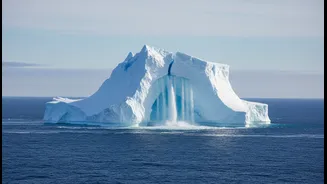
Nowhere are the concerns more acute than at the Thwaites Glacier, often called the 'Doomsday Glacier'. Roughly the size of Britain, its potential collapse could raise global sea levels by over two feet. Recent satellite imagery shows that its protective eastern ice shelf is poised to disintegrate, a development that would accelerate its slide into the ocean. Scientists have found that warm ocean water is melting the glacier from below, a process that is causing it to retreat faster than previously anticipated. The collapse of this single glacier could trigger a domino effect across the West Antarctic Ice Sheet, which holds enough ice to raise sea levels by more than 10 feet.
How Melting Ice Disrupts Global Weather
The connection between Antarctic melt and your local weather report lies in the ocean. The influx of cold, fresh meltwater into the salty Southern Ocean is disrupting the world's great ocean currents. A crucial part of this system, the Antarctic Circumpolar Current, is projected to slow by as much as 20% by 2050. This slowdown affects how heat, oxygen, and nutrients are distributed around the globe. When these currents weaken, the ocean's ability to absorb heat and carbon from the atmosphere is reduced, which can accelerate warming. This disruption can lead to more climate variability and extreme weather events, including the heatwaves, droughts, and floods becoming increasingly common worldwide.
Why This Matters for India
For India, the stakes are particularly high. The continent's climate is deeply intertwined with global ocean and atmospheric patterns. Research has already established a surprising link between Antarctica and the Indian monsoon. Studies show that warming in Antarctica can have a negative impact on summer monsoon rainfall by altering circulation patterns. The weakening of global ocean currents, driven by Antarctic melt, can shift weather systems, potentially making monsoons more erratic and unpredictable. This threatens agriculture and water security for millions. Furthermore, with its long coastline, India is acutely vulnerable to the sea-level rise caused by melting glaciers like Thwaites.