





A Symphony of Synchronised Breathing
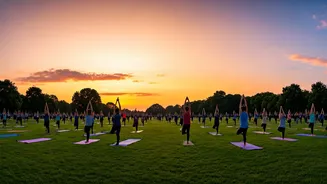
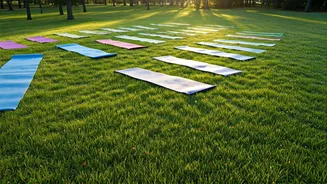
From the manicured lawns of Lodhi Garden in Delhi to Cubbon Park in Bengaluru and the seaside promenades of Mumbai, the scene was remarkably similar. Thousands of citizens—ranging from seasoned yogis to curious first-timers, from young children to senior
citizens—gathered to participate in mass yoga sessions. The air, usually filled with the morning rush, was instead filled with the gentle instructions of yoga teachers and the collective sound of synchronised breathing. This wasn't a mandated assembly but a voluntary, nationwide phenomenon, a testament to yoga's deepening roots in modern Indian life.
More Than Just a Pose
While the visual spectacle of thousands performing the Surya Namaskar in unison is powerful, the significance of the day runs deeper. Each year, International Yoga Day is guided by a theme. Recent themes like 'Yoga for Self and Society' underscore a dual purpose: cultivating inner peace and contributing to the well-being of the community. Participants often speak of the unique energy of these mass gatherings. It's a departure from the solitary practice at home or the commercialised environment of a studio. In the open air, surrounded by neighbours and strangers united in a common purpose, the practice becomes a shared celebration of health, mindfulness, and community.
From Ancient Roots to a Global Stage
The establishment of International Yoga Day by the United Nations in 2014, at the behest of India, was a landmark moment. It catalysed a global movement, but its most profound impact has been felt at home. The day has become a powerful vehicle for reconnecting Indians with a heritage that had, for some, become distant or academic. It has successfully reframed yoga not just as a spiritual discipline for ascetics, but as a practical, accessible tool for managing the stresses of modern life. Government-led initiatives and extensive media coverage have played a significant role, but the 'fever' in the headline is driven by grassroots enthusiasm.
The Power of Public Space
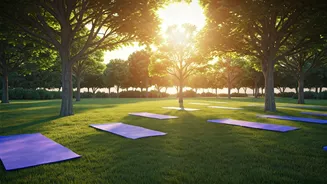
The choice of local parks as the primary venue is crucial. It democratises the practice, removing barriers of cost and exclusivity. Parks are neutral, public spaces where people from all walks of life intersect. On Yoga Day, they transform into open-air wellness centres. This act of reclaiming public spaces for community health is a powerful statement. It suggests a growing public desire for lifestyles that are less about consumption and more about connection—to oneself, to nature, and to the community. For many, it’s a chance to meet neighbours and build bonds in a low-pressure, positive environment.
Is the Fever Here to Stay?
Critics might dismiss the phenomenon as a one-day trend, but that would be missing the larger picture. The massive turnout for International Yoga Day is a symptom of a broader cultural shift towards wellness and preventative health. While participation may peak on June 21st, the event inspires countless individuals to start or restart their yoga journey. Local yoga studios report a spike in inquiries, and online yoga content sees a surge in viewers. The event acts as a powerful annual reminder, a national New Year's resolution for health, prompting a ripple effect that lasts long after the mats are rolled up and put away.