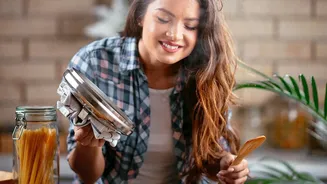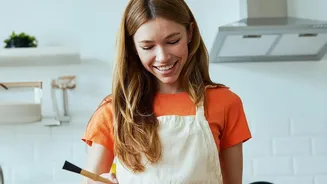



In the gleaming, modular kitchens of India’s metros, a quiet revolution is simmering. Amidst air fryers and espresso machines, a space is being carved out for heirloom recipes and slow-cooking methods that connect a new generation to its roots.
A Return to Authenticity
For years,
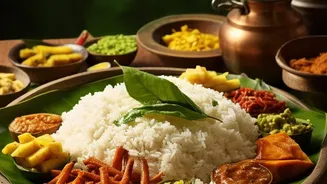
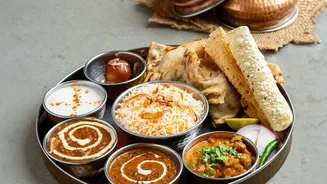
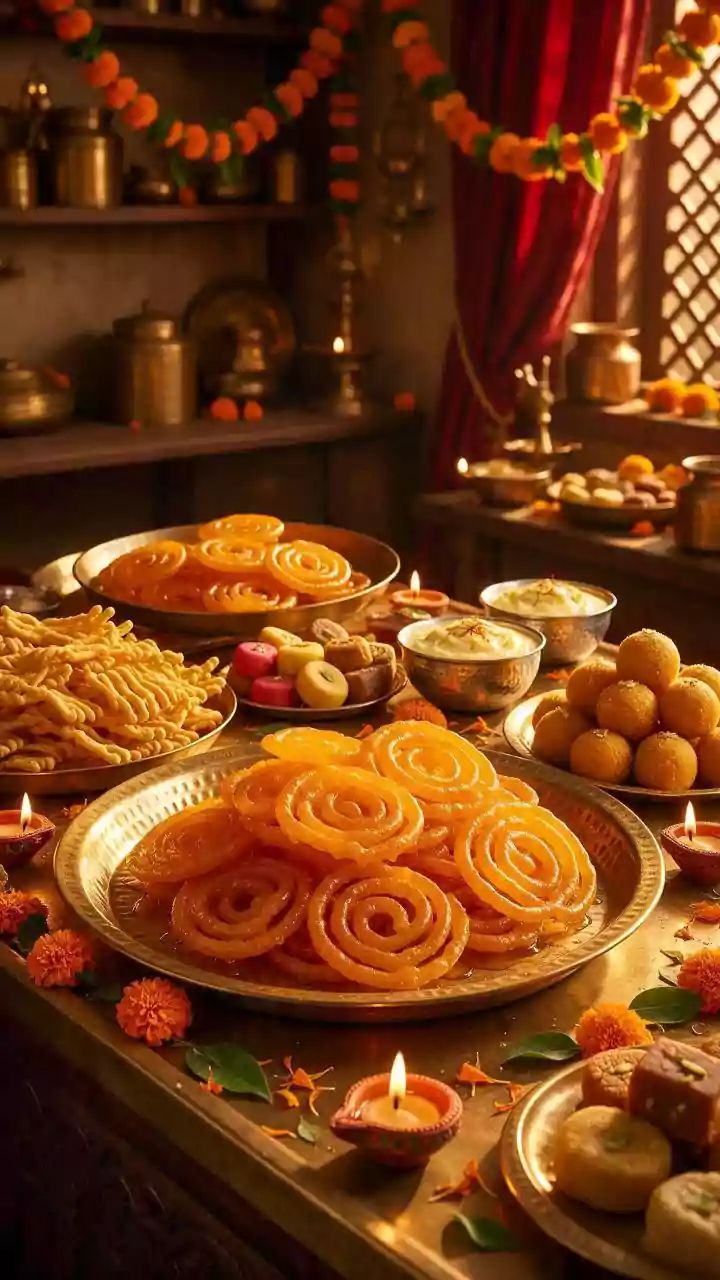
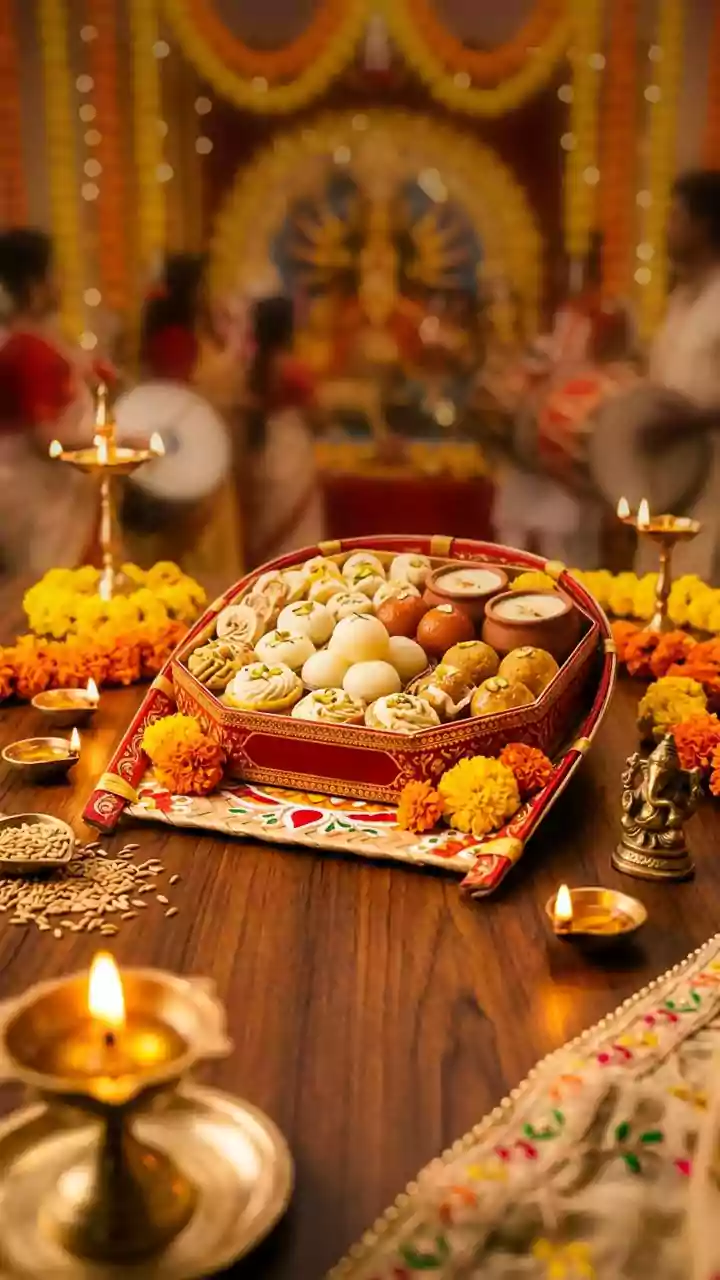
urban dining was defined by a handful of mainstream dishes or international fast food. Now, a growing number of people, particularly millennials, are looking past generic menus and seeking a deeper connection with their heritage. This has sparked a renewed interest in regional and family-specific cuisines that were once confined to home kitchens. The trend is not just about nostalgia; it’s an act of cultural preservation. As millions move to cities for work and education, there is a powerful longing for the familiar comfort of home-style meals, driving them to recreate the dishes they grew up with. This rediscovery of India's vast culinary landscape is a celebration of identity, with every morsel telling a story of family, region, and tradition.
The Conscious Health Shift
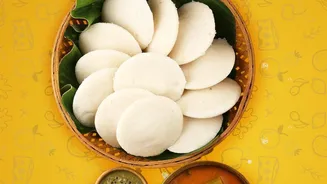
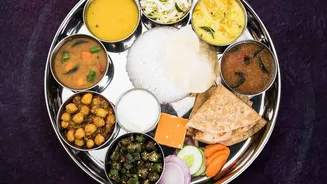
The movement towards traditional cooking is also deeply intertwined with a growing consciousness around health and wellness. Urban consumers are increasingly wary of highly processed foods and are turning to the wisdom of their ancestors for a healthier lifestyle. Traditional Indian diets, rich in whole grains like millets, pulses, seasonal vegetables, and beneficial spices like turmeric, offer a balanced nutritional profile. Practices like fermentation and slow cooking are being appreciated not just for the depth of flavour they impart, but for their benefits to gut health and digestion. This shift away from quick, convenience-driven meals towards mindful, wholesome cooking reflects a desire for food that nourishes the body from the inside out.
Grandma's Recipes Go Digital
Ironically, one of the biggest drivers of this return to tradition is modern technology. Social media platforms like Instagram and YouTube have become virtual archives for heirloom recipes. Food bloggers and home cooks are documenting and sharing hyper-local dishes, making once-secret family techniques accessible to a global audience. A creator can share their grandmother's method for a specific pickle or curry, complete with stories and tips, inspiring viewers to try it themselves. This digital renaissance has demystified traditional cooking and created vibrant online communities where people can connect over their shared culinary heritage, ensuring these precious recipes are not lost to time.
The Slow-Cooking Revival
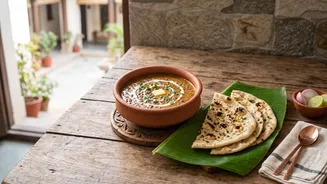
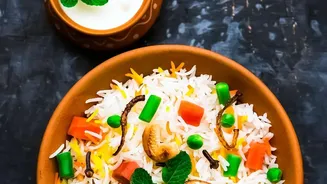
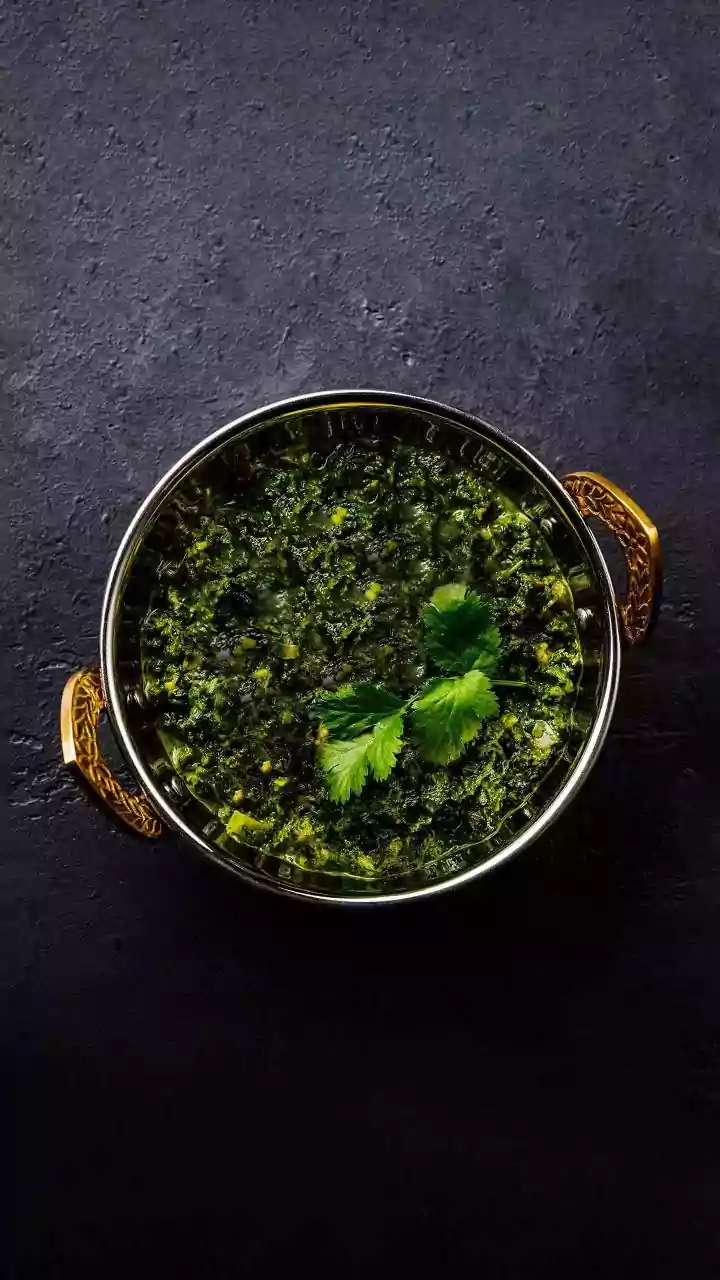
In a world that prizes speed, the deliberate pace of traditional cooking has found a new appeal. Slow-cooking methods like 'dum pukht' (cooking in a sealed pot) or simmering dals for hours are being embraced as a form of mindfulness. The process is as important as the result, offering a therapeutic escape from the frantic pace of city life. Anyone who has tasted a dal simmered slowly overnight versus one from a pressure cooker can attest to the incredible depth of flavour that only time can create. This patient approach is not just about taste; it's about making cooking a deliberate, rewarding ritual. Even cookware is part of the trend, with a noticeable shift back to traditional materials like iron, brass, and bronze, valued for their durability and health benefits over modern non-stick pans.