





The Superfood Power of Ragi
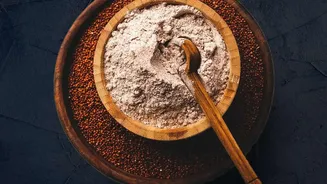
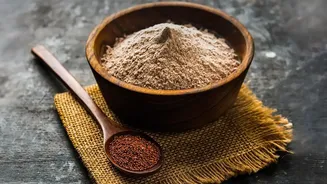
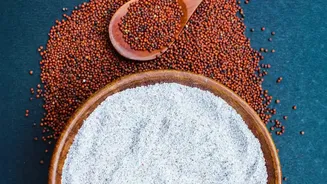
Ragi, also known as finger millet, is an ancient grain that has been a staple in parts of Africa and Asia for thousands of years. Its recent resurgence as a superfood is well-deserved. Ragi is a nutritional powerhouse, boasting higher levels of calcium
than most other grains, making it excellent for bone health. It is also rich in iron, which can help in managing anaemia. Being a gluten-free grain, it is a safe and healthy option for those with gluten sensitivity or celiac disease. The high content of dietary fibre and complex carbohydrates in ragi promotes a feeling of fullness, which can aid in weight management by reducing the tendency to snack. This fibre also supports digestive health and helps in the slow release of sugar into the bloodstream, making it beneficial for managing blood sugar levels.
Creating the Perfect Fermented Batter
The secret to delicious and digestible ragi crepes lies in the batter. While instant versions exist, a traditionally fermented batter enhances both flavour and nutritional value. The fermentation process improves gut microbiota and makes the nutrients in the millet more bioavailable. To prepare the batter, you will need whole ragi or ragi flour, urad dal (split black gram), and a few fenugreek seeds. A common ratio is two parts ragi to one part urad dal. Soak the whole grains and dal separately for about four to six hours. If using ragi flour, you only need to soak the urad dal and fenugreek seeds. Once soaked, grind the urad dal and fenugreek seeds into a smooth, fluffy paste. Then, grind the soaked ragi or mix in the ragi flour with the dal paste. Add salt and mix everything well. Cover the bowl and let it ferment in a warm place for 8 to 12 hours, or overnight. The batter should rise slightly and have a pleasant, subtly sour aroma.
From Batter to Breakfast Crepe
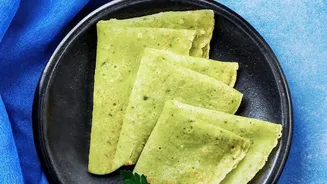
Once your batter has fermented, give it a gentle stir. The consistency is key to a good crepe, often called a dosa in South India. For crispy dosas, the batter should be thin and pourable, similar to buttermilk. If it’s too thick, add a little water until you reach the right consistency. Heat a non-stick or well-seasoned cast-iron tawa (griddle) on medium-high heat. The tawa is ready when a sprinkle of water sizzles and evaporates immediately. Lightly grease the tawa. Pour a ladleful of batter onto the centre and quickly spread it outwards in a circular motion to form a thin crepe. Drizzle a teaspoon of oil or ghee around the edges and on top. Let it cook undisturbed until the edges start to turn golden brown and lift from the pan, which usually takes two to three minutes. You don’t need to flip it; the thin crepe will cook through.
Tips for Crisp and Flavourful Crepes
Achieving the perfect crispy ragi crepe can sometimes be tricky. If your crepes turn out soft instead of crisp, it’s likely because the batter is too thick or the tawa isn't hot enough. Ensure your batter is runny and the tawa is properly heated before you begin. For an extra crispy texture, you can add a couple of tablespoons of rice flour to your batter. To prevent the batter from sticking, especially on a cast-iron tawa, rub the hot surface with half an onion dipped in oil before making the first crepe. It’s also important to stir the batter before making each crepe, as the flour can settle at the bottom. For added flavour, you can mix finely chopped onions, green chillies, ginger, and coriander leaves directly into the batter before cooking.
Serving Suggestions and Pairings
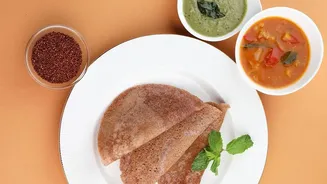
These savoury ragi crepes are incredibly versatile. They pair wonderfully with traditional South Indian accompaniments like coconut chutney, tomato chutney, or a flavourful sambar. The nutty taste of the ragi complements the tang and spice of these side dishes perfectly. You can also turn them into a more filling meal by adding a stuffing, much like a masala dosa. A simple filling of spiced mashed potatoes, sautéed onions, or crumbled paneer works beautifully. For a quick and easy breakfast, they are delicious even on their own, perhaps with a dollop of pickle or podi (spicy powder). These crepes are best served hot, straight off the griddle, to be enjoyed at their crispy best.