



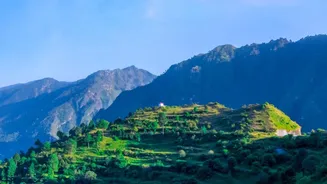
The Monsoon Travel Boom Is Here
The long-held belief that monsoon is the off-season for Indian tourism is rapidly becoming outdated. A significant shift in travel patterns shows that domestic travel is no longer confined to the peak summer and winter holidays. Instead, travellers are
embracing the rainy season, drawn by lush green landscapes, cooler temperatures, and the unique beauty of destinations drenched in rain. According to recent data from travel platforms, monsoon travel demand has seen a sharp increase. Cleartrip, for instance, reported that hotel bookings have risen by nearly 54% year-on-year during the monsoon. This surge is driven by several factors, including a growing preference for multiple short breaks over one long annual vacation, the rise of experience-led travel, and the appeal of deals offered by airlines and hotels. Travellers are now more intentional, seeking out nature-focused getaways, wellness retreats, and cultural exploration during these months.
Top Destinations Driving the Rush
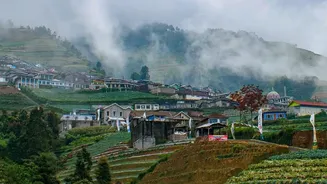
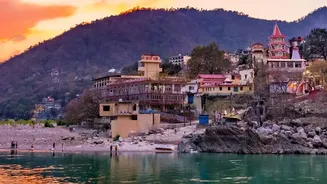
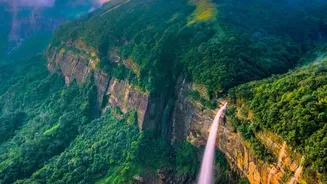
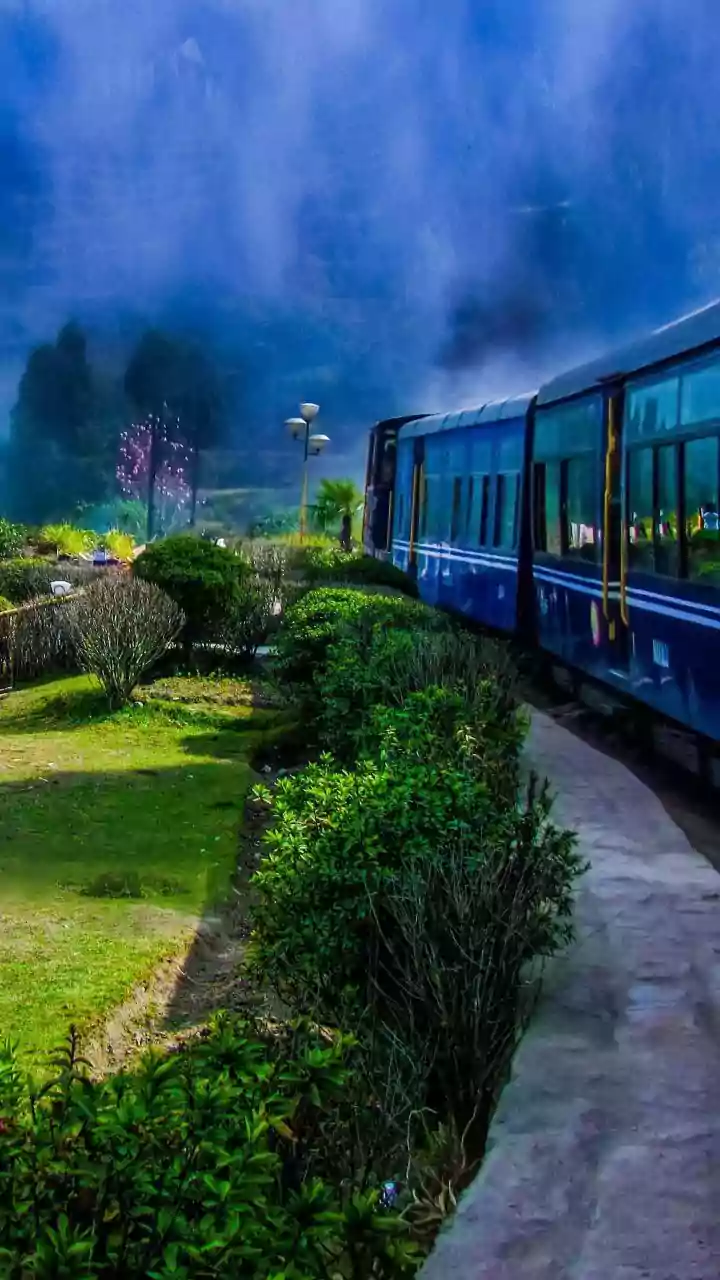
This newfound enthusiasm for monsoon travel is particularly focused on short-haul destinations perfect for a 3-to-5-day 'mini-cation'. Hill stations and coastal regions that come alive in the rain are seeing the biggest influx. In Maharashtra, Lonavala and Mahabaleshwar remain classic weekend choices for those in Mumbai and Pune, with their misty hills and cascading waterfalls. Down south, Kerala is a major draw, with Wayanad experiencing a staggering 160% jump in hotel bookings and Alleppey's backwaters seeing a 145% increase. The hill retreats of Munnar, Coorg, Kodaikanal, and Ooty are also perennial favourites, loved for their verdant coffee plantations and rain-washed scenery. Even states like Goa and Rajasthan are finding favour, with travellers seeking a quieter, greener side of these popular destinations. The trend also extends to the hills of North India, with Mussoorie and Nainital drawing crowds, and even offbeat locations in the Northeast like Nagaland and Arunachal Pradesh seeing a significant spike in interest.
Why You Need to Plan Further Ahead
With the monsoon now emerging as a powerful travel driver in its own right, the days of securing last-minute deals are fading. Increased demand directly translates to tighter availability for flights, trains, and hotels. While monsoon travel was once synonymous with deep discounts of 30-50%, the rising popularity means prices aren't dropping as steeply, and the best properties get booked out much earlier. While some data still points to spontaneous trips booked within a few days of travel, this is becoming a riskier strategy for popular destinations. Relying on last-minute plans could leave you with limited, undesirable, or overpriced options. The fundamental dynamic has shifted: what was a buyer's market is now increasingly competitive. To secure your preferred stay, whether it's a boutique resort in Coorg or a treehouse near Lonavala, booking in advance is no longer just a good idea—it's essential.
Your New Monsoon Booking Timeline
To navigate this new landscape, adjusting your planning window is crucial. While previously a two-week notice was often sufficient for a monsoon trip, a longer lead time is now advisable to get the best value and choice. For flights and trains to popular spots, consider booking at least 4 to 6 weeks in advance, especially if you plan to travel over an extended weekend. For accommodation, the timeline varies. Highly sought-after boutique hotels or unique stays in prime locations like Munnar or Coorg can be fully booked 8 weeks out or more. For standard hotels in popular destinations, a lead time of 4 to 6 weeks is a safe bet. If you're planning to visit during a period with public holidays, it's wise to treat it like a peak season and book even earlier, as many travellers plan their trips around these dates. This proactive approach helps you avoid the surge pricing and limited availability that now characterises last-minute monsoon travel.
Tips for Smarter Monsoon Travel
Booking early is the most important step, but there are other ways to travel smarter during this busy season. Firstly, be flexible. If you can, plan your travel for weekdays instead of weekends to avoid the biggest crowds and highest prices. Secondly, consider exploring alternative destinations. While places like Lonavala and Munnar are popular for a reason, nearby but lesser-known hill stations can offer similar beauty with fewer people. Thirdly, look for package deals. Sometimes, booking flights and hotels together through a travel aggregator can unlock savings. Finally, don't rule out road trips. The demand for bus travel has surged by 140%, indicating that many are opting for shorter, more flexible journeys by road. This allows you to explore at your own pace and discover hidden gems along the way.