




Understanding the Climate Puzzle
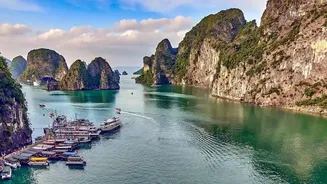
Planning a trip to both Vietnam and Cambodia requires a bit of a balancing act, mainly due to their distinct weather patterns. Vietnam's long, S-shaped geography means it has three different climate zones. The North (Hanoi, Halong Bay) has four distinct seasons,
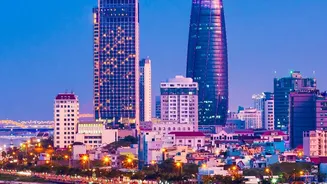
including a cool, dry winter. The Centre (Da Nang, Hoi An) has a long dry season but is prone to typhoons from September to December. The South (Ho Chi Minh City) has a simpler tropical climate, with a dry and a wet season. Cambodia's climate is more straightforward, with a dry season from November to April and a wet season from May to October across the entire country. Knowing this split is the first step to planning a seamless journey.
The Ideal Window: November to March
For the best overall weather, the period from November to March is widely considered the peak season for a combined Vietnam and Cambodia trip. During these months, you can expect pleasant, dry conditions and lower humidity across South Vietnam and all of Cambodia, making it perfect for exploring Angkor Wat or cruising the Mekong Delta. In North Vietnam, this period is cool and relatively dry, ideal for city tours in Hanoi. The only catch is that this is the most popular time to travel, so expect larger crowds and higher prices for flights and accommodation. This window also includes major holidays like Christmas, New Year, and the Vietnamese Lunar New Year (Tết), which usually falls in January or February. While festive, Tết can mean many shops and services are closed for several days, and transport gets booked up far in advance.
The Shoulder Seasons: April-May & September-October
For travellers seeking a balance between good weather, fewer crowds, and better prices, the shoulder seasons are an excellent choice. The months of April-May and September-October often offer significant value. April and May mark the transition from dry to wet season. It gets hotter and more humid, but rainfall usually comes in short, predictable afternoon bursts. This is still a great time for beach destinations in Central Vietnam. The period of September and October marks the end of the monsoon. The landscape is lush and green, and tourist sites are much quieter. However, be aware that the central coast of Vietnam can still be in its rainy, and sometimes stormy, season in October.
The Monsoon Challenge: June to August
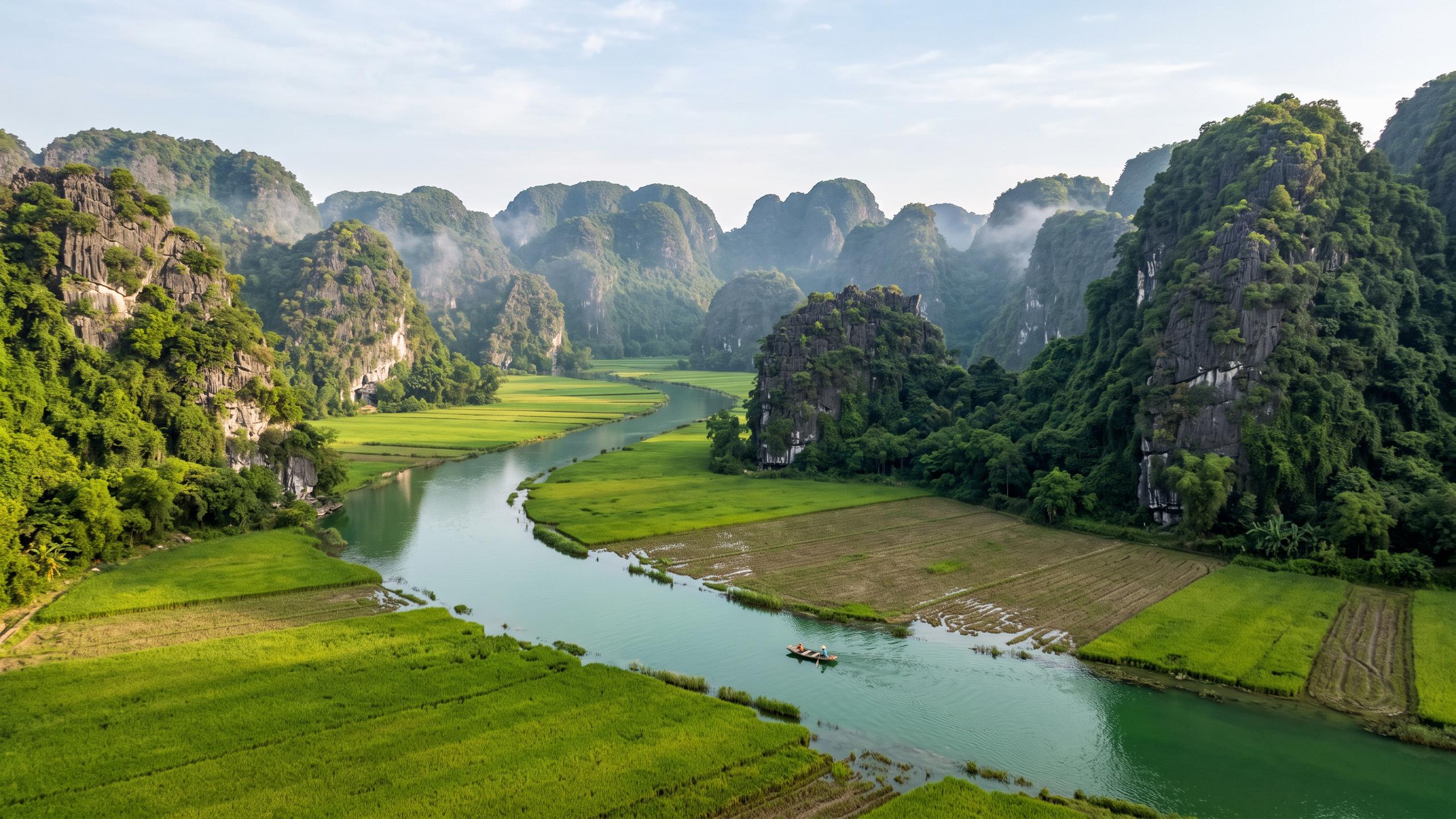
Travelling during the monsoon season, from roughly June to August, is often seen as a challenge but it shouldn't be a complete deal-breaker. This is the low season, which means you'll find the fewest tourists and the lowest prices. The countryside in both Vietnam and Cambodia is at its most vibrant and green, offering spectacular scenery for photographers. The rain often comes in heavy but short downpours, leaving the rest of the day clear. The main downsides are the high humidity and the potential for travel disruptions. Heavy rains can sometimes make rural roads in Cambodia impassable, and outdoor activities like trekking in North Vietnam can be more difficult. However, with a flexible itinerary and a good raincoat, you can enjoy a more intimate experience at major sites like Angkor Wat.
Flights and Visas from Chennai
Getting to Vietnam and Cambodia from Chennai is straightforward, with numerous one-stop flight options available. Airlines like IndiGo, AirAsia, Singapore Airlines, and Thai Airways connect Chennai to major hubs like Hanoi, Ho Chi Minh City, and Phnom Penh, typically with a layover in a Southeast Asian city. Indian passport holders need a visa for both countries. For Vietnam, the most convenient option for most travellers is the e-visa, which allows for a stay of up to 90 days. The process is entirely online via the official government portal. Similarly, Cambodia offers an e-visa for tourists, which can be applied for online before your trip. Always check the latest visa regulations well in advance of your travel dates, as requirements can change. Make sure your passport has at least six months of validity from your date of entry.