



More Than a Room in the Trees
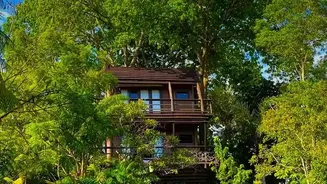
The allure of a treehouse is timeless, tapping into a universal memory of childhood adventure. But in Wayanad, this concept has matured into a sophisticated form of accommodation that prioritizes immersion over observation. Staying in a treehouse here
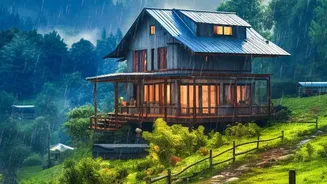
is not about rustic novelty; it's about being a temporary resident of the canopy. Waking up to the sound of a Malabar whistling thrush, watching the mist roll across the valley from a private balcony, and feeling the gentle sway of the structure in the breeze offers an unparalleled connection to the environment. These are not just rooms with a view, but rooms within the view, designed to dissolve the barrier between indoors and the wild outdoors.
Bamboo: Nature's Sustainable Steel
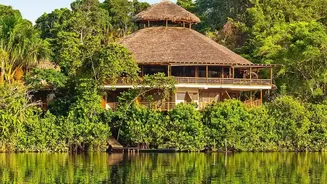
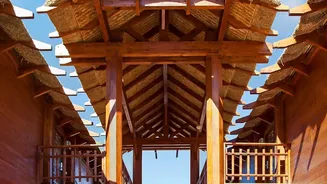
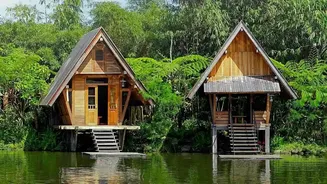
At the heart of this movement is bamboo, a material that is both ancient and futuristic. Unlike timber, which can take decades to mature, bamboo is a type of grass that can be sustainably harvested in just a few years. It is incredibly strong, flexible, and lightweight, making it an ideal construction material in the ecologically sensitive Western Ghats. Resorts are increasingly using locally sourced bamboo, often working with indigenous communities who possess generations of knowledge in its use. This approach minimizes the carbon footprint associated with transporting materials and supports local economies. By building with bamboo, resorts are creating structures that are not just eco-friendly, but are a direct product of the landscape itself.
Wayanad: A Haven for Eco-Conscious Travel
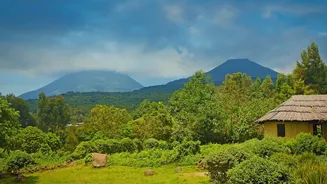
It is no coincidence that this trend is flourishing in Wayanad. The district is a cornerstone of the Nilgiri Biosphere Reserve, a region celebrated for its immense biodiversity. Local tourism has long been intertwined with the environment, from spice plantation tours to treks up Chembra Peak. This deep-rooted appreciation for nature has created a fertile ground for eco-tourism initiatives that go beyond superficial gestures. Resorts featuring bamboo treehouses are part of a broader commitment to preserving the area's natural heritage, fitting seamlessly into a landscape dotted with wildlife sanctuaries, dense forests, and pristine waterfalls.
Inside the Sustainable Sanctuary
Leading resorts like Vythiri Resort have pioneered the treehouse concept, creating structures perched high above the forest floor that run on solar energy and natural spring water. The design philosophy often extends far beyond the building materials. Many of these eco-resorts implement comprehensive sustainability practices. Tranquil Resort, for example, operates on a 400-acre plantation where almost all food is sourced hyper-locally, hot water is generated using biomass, and kitchen waste is converted into biogas. These establishments prove that luxury and sustainability can coexist. Guests can enjoy modern comforts while knowing their stay has a minimal environmental impact, from reduced plastic usage to responsible waste management.
A Deeper Philosophy of Travel
Ultimately, the rise of bamboo treehouses in Wayanad signifies a shift in what it means to be an eco-friendly resort. It's not just about installing a solar panel or asking guests to reuse towels. It’s a holistic philosophy that integrates the stay into the local ecosystem. It involves building with indigenous materials, supporting tribal communities, preserving natural resources like water, and providing an experience that educates and inspires guests. These resorts are redefining sustainable escapes by proving that a true connection with nature doesn’t require sacrificing comfort; it requires thoughtful design and a genuine respect for the environment.