

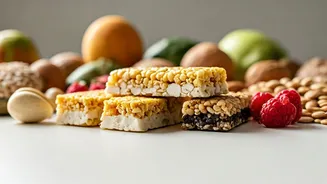



Front-of-Pack Fiction vs. Back-of-Pack Fact
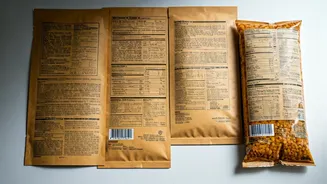
The bold claims on the front of a package are marketing. Words like “natural,” “healthy,” or “diet-friendly” are designed to make you feel good about your purchase. However, the real information lies on the back, in the ingredients list and nutritional
panel, which are regulated by the Food Safety and Standards Authority of India (FSSAI). A product labelled “Sugar-Free” might not contain sucrose (table sugar), but it almost certainly contains some form of sweetener to provide taste. Similarly, “No Added Sugar” means no extra sugar was put in during processing, but the product could still be high in naturally occurring sugars or contain sweeteners. The first step to becoming a savvy consumer is to always flip the pack.
A Quick Guide to Sweeteners
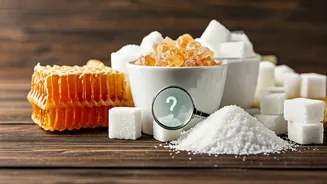
Not all sweeteners are created equal. They generally fall into three categories. Artificial sweeteners like Aspartame, Sucralose, and Saccharin are synthetic, intensely sweet, and have virtually no calories. Natural, zero-calorie sweeteners such as Stevia and Monk Fruit are derived from plants and are also much sweeter than sugar. The third group is sugar alcohols, or polyols, which include names ending in “-ol” like Sorbitol, Xylitol, and Erythritol. These are carbohydrates that are less sweet and have fewer calories than sugar but can cause digestive issues like bloating or gas for some people if consumed in large amounts. FSSAI has approved several sweeteners for use in India, each with specific limits for different food types.
How to Spot Sweeteners on the Label
In India, ingredients are listed in descending order by weight. If sugar or a sweetener is one of the first few ingredients, the product is largely made of it. Sweeteners are often listed by their specific name (e.g., Aspartame, Steviol Glycoside) but can also be identified by their INS (International Numbering System) number, such as INS 951 for Aspartame or INS 955 for Sucralose. FSSAI regulations also mandate specific declarations. For instance, any product containing an artificial sweetener must state, “Contains
The Health Conversation Around Sweeteners
The debate around sweeteners is complex. In 2023, the World Health Organization (WHO) released a conditional guideline advising against the long-term use of non-sugar sweeteners (NSS) for weight control. The review noted that while some short-term studies showed modest weight loss when sweeteners replaced sugar, long-term observational studies suggested a possible link between high NSS consumption and an increased risk of type 2 diabetes and cardiovascular issues. However, WHO also acknowledged that this association could be due to "reverse causation"—meaning people who are already at higher risk for these conditions may be more likely to use sweeteners in the first place. FSSAI has taken note of the WHO report but maintains that approved sweeteners are safe within the established Acceptable Daily Intake (ADI) limits. Experts generally agree that the goal should be to reduce overall sweetness in the diet.
Look Beyond the Sweeteners
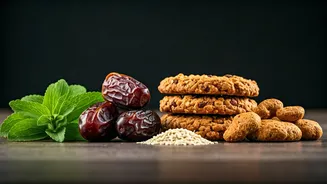
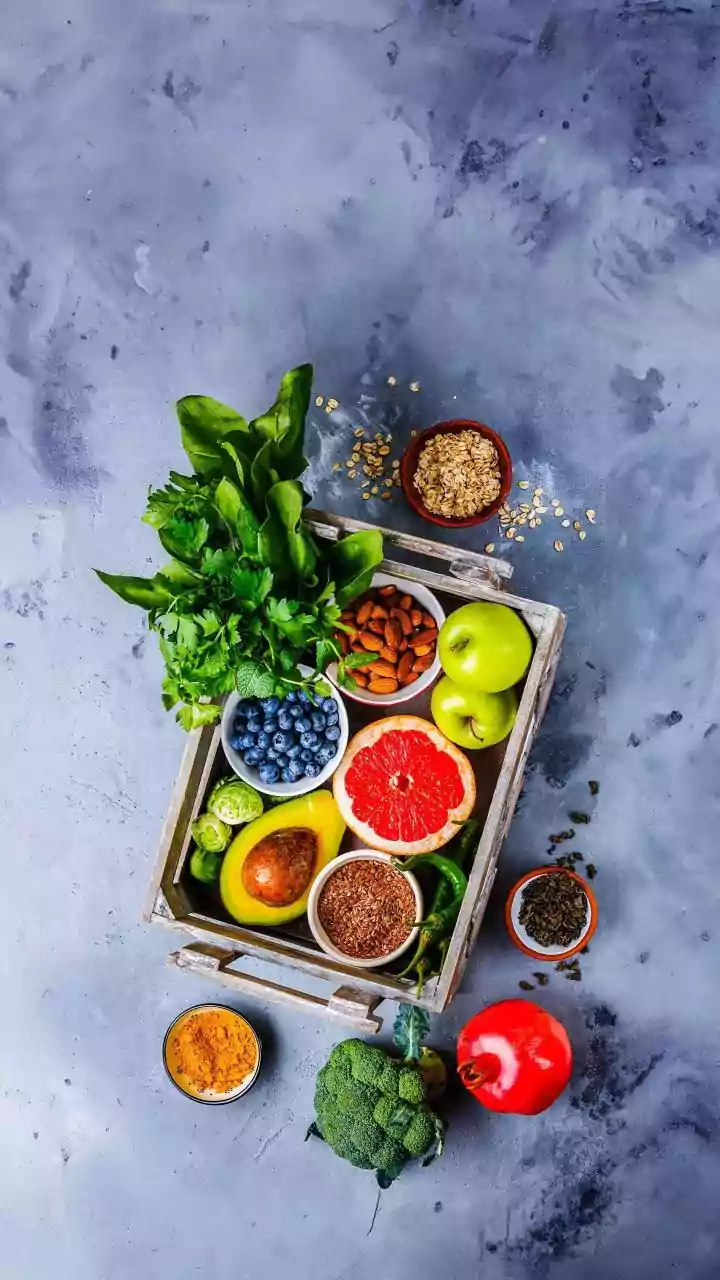
Fixating only on sugar or sweeteners can make you miss other important details. A “sugar-free” biscuit might be loaded with refined flour (maida) and unhealthy fats. The ingredient list tells the whole story. If maida, palm oil, or multiple forms of sugar and sweeteners are high on the list, it's a red flag. A truly healthy food has a short list of recognisable ingredients. Pay attention to the entire nutrition panel: check the amounts of sodium, saturated fat, and fibre. A single ingredient rarely makes a food “good” or “bad.” It’s the overall nutritional profile that counts for a balanced diet.