




From Thousands to a Handful
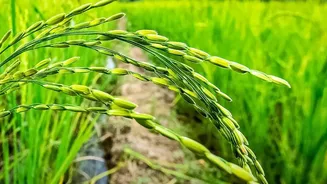
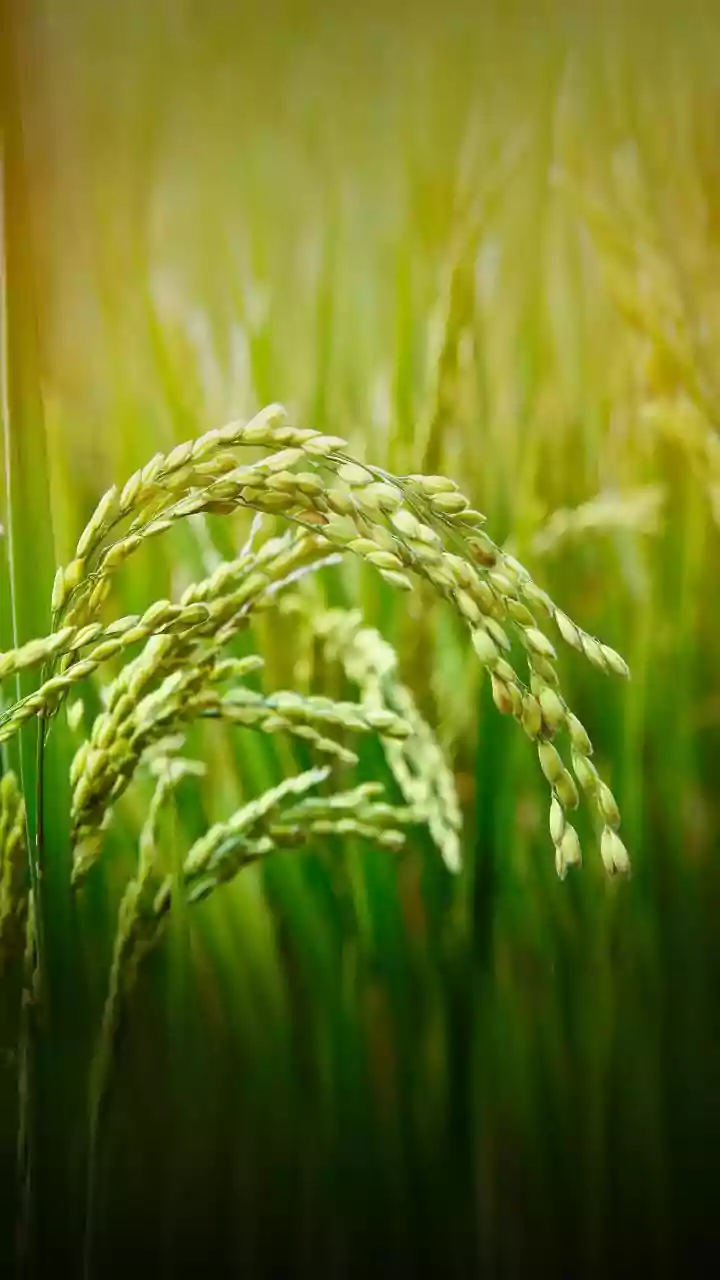
India was once home to an astonishing biodiversity of rice, with estimates suggesting over 100,000 distinct varieties, each adapted to a specific micro-climate and community. This incredible diversity, however, faced a steep decline during the Green Revolution
of the 1960s. The nationwide push for food security prioritised high-yielding hybrid crops, which, while successful in increasing output, led to widespread monoculture. As a result, thousands of traditional rice varieties, or landraces, disappeared from farmers' fields and our collective memory, leaving staples like Basmati and Sona Masuri to dominate the market.
The Nutritional Powerhouses
A primary driver behind this resurgence is a growing awareness of health and wellness. Modern nutritional science is now validating the traditional wisdom that many of these heirloom rices are nutritional powerhouses. Unlike polished white rice, varieties like Tamil Nadu’s Mappillai Samba and Karuppu Kavuni (a black rice) are packed with antioxidants, fibre, iron, and zinc. Many traditional grains have a lower glycemic index, making them a better choice for managing blood sugar levels. Kerala’s Navara rice, for instance, has been used in Ayurvedic medicine for centuries and is prized for its health benefits. As consumers become more health-conscious, the demand for these nutrient-dense alternatives is surging.
A Climate-Proof Insurance Policy
In an era of increasing climate uncertainty, these traditional grains hold another vital key: resilience. Having adapted over centuries to local conditions, many indigenous varieties are naturally resistant to pests and can withstand extreme weather events like floods and droughts. For instance, Pokkali rice from Kerala and Kagga rice from Karnataka can thrive in saline coastal soils where modern hybrids fail. In the cyclone-prone Sundarbans, farmers are reviving salt-tolerant varieties like Lal Getu and Dudheswar. This inherent resilience not only reduces farmers' dependence on chemical fertilisers and pesticides but also offers a crucial buffer against the unpredictable impacts of climate change, making it a strategic investment in food security.
A Renaissance of Flavour and Culture
The revival is also being championed in India's kitchens. Chefs and home cooks are rediscovering the unique aromas, textures, and flavours that these regional rices bring to the table. West Bengal’s aromatic Gobindobhog, perfect for kheer and pulao, and Maharashtra's fragrant Ambemohar are finding their way onto premium menus. The Geographical Indication (GI) tag has also played a crucial role, protecting the identity and quality of regional specialties like Kala Namak rice from Uttar Pradesh, also known as 'Buddha Rice', and Assam's Joha rice. This recognition not only helps farmers get better prices but also preserves the cultural heritage tied to each grain, turning a simple meal into a story of origin and tradition.
The Champions of Change
This movement is powered by a diverse group of people. It includes grassroots organisations like Thanal, which started the 'Save Our Rice' campaign in 2004, and individual seed savers who meticulously maintain banks of hundreds of varieties. It’s also driven by farmers who are returning to ancestral farming practices after finding hybrid cultivation economically and ecologically unsustainable. State governments have also started to lend support, with initiatives like Tamil Nadu's Heritage Rice Mission promoting the cultivation of traditional varieties. By connecting these farmers to a growing market of conscious consumers, this collective effort is ensuring that India's rice heritage is not just preserved, but actively thriving.