







The Trouble with Denim
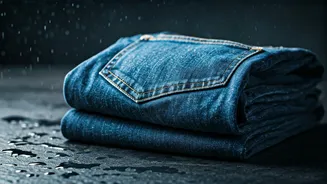
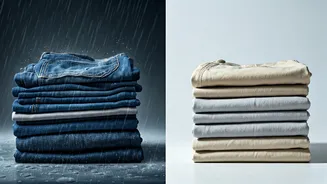
Jeans are a wardrobe staple for a reason, but the monsoon is their kryptonite. The primary issue is the fabric itself. Denim is typically made from heavy cotton, which is highly absorbent. When you get caught in an unexpected downpour, your jeans will
soak up water like a sponge, becoming incredibly heavy and uncomfortable. This leads to a host of problems. A wet pair of jeans is slow to dry, especially in the high humidity of the Indian monsoon, often taking a full day or more. This can lead to a musty odour and even create a breeding ground for fungal infections if worn while still damp. Furthermore, the heavy, wet fabric can cause chafing and leave you feeling cold and miserable long after you've come indoors.
The Case for Lighter Fabrics
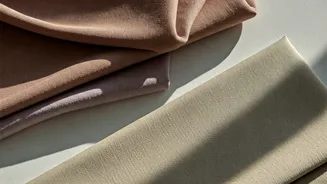
This is where lighter pants prove their worth. Fabrics like fine cotton, linen, rayon, and modern synthetic blends (like polyester or nylon) are far better suited for the rainy season. Their primary advantage is that they are lightweight and breathable, which prevents that sticky, suffocating feeling common in humid weather. Most importantly, these materials are quick-drying. If you get splashed by a passing car or caught in a brief shower, trousers made from these fabrics will dry out much faster than denim, keeping you comfortable. Many modern trousers also incorporate stretch fibres like spandex, which offer greater flexibility and ease of movement, making your daily commute in tricky weather much more manageable.
Your Monsoon-Ready Alternatives
Ready to sideline your jeans until the drier months? Here are some stylish and practical alternatives. Wide-legged trousers or palazzos in fabrics like cotton or rayon offer a breezy, comfortable fit that allows for plenty of air circulation. For a more structured look, consider chinos or tailored trousers in cotton-spandex blends; they provide a polished appearance without the weight of denim. Ankle-length leggings made from moisture-wicking materials like a cotton-lycra blend are a great practical choice for quick errands. Even performance-oriented options like quick-dry track pants or cargo trousers made from polyester have become fashionable choices, offering functionality with a trendy, utilitarian aesthetic.
A Note on Colour and Cut
Choosing the right fabric is only half the battle; the colour and cut of your trousers also play a crucial role. During the monsoon, it's wise to opt for darker shades like navy, black, charcoal grey, or deep green. These colours are much more forgiving when it comes to hiding inevitable mud splashes and water stains. Light-coloured trousers, while stylish, can become transparent when wet and are easily stained. The length of your pants is another key consideration. Instead of full-length styles that can drag through puddles and collect grime, opt for shorter hemlines. Cropped pants, culottes, ankle-length trousers, and capris are all excellent choices that will keep your hems clean and dry.