



The Science of Fresh Flavour
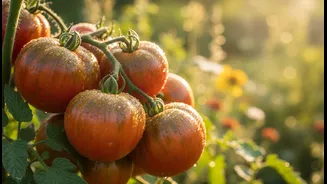
There’s a scientific reason why a tomato plucked from a backyard vine tastes worlds apart from one bought at a supermarket. Once a fruit or vegetable is harvested, it begins a process called respiration, where it consumes its own stored sugars for energy.
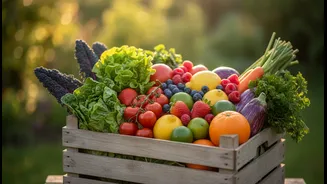
This process depletes its natural sweetness and flavour. Produce transported over long distances is often picked before it's fully ripe to ensure it survives the journey without spoiling. While it might gain colour, it never develops the full spectrum of sugars and aromatic compounds that create peak flavour. In contrast, a vegetable from a home garden or local farm is harvested at its absolute peak. That immediate journey from plant to plate means you experience the ingredient as nature intended: bursting with flavour and life.
A Taste of the Land
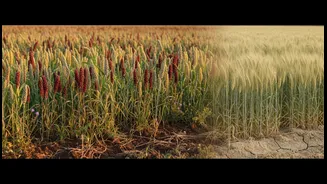
Beyond freshness, there is a concept the French call 'terroir'. It describes how a region's specific environment—its soil, climate, and geography—imparts a unique character to the food grown there. This is why coffee from one region can have floral notes while another is earthy, or why tomatoes from a certain volcanic soil are prized for their taste. Your own kitchen garden has its own unique terroir. The specific composition of your soil, the amount of sunlight in your balcony, and even the local water contribute to a flavour profile that cannot be replicated. This 'taste of place' makes what you grow truly your own, embedding the ingredient with a sense of identity that mass-produced vegetables simply cannot match.
A Revolution in Nutrition
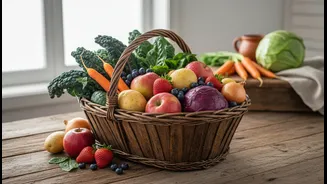
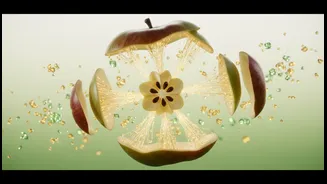
The clock starts ticking on an ingredient's nutritional value the moment it's picked. Vitamins, particularly sensitive ones like Vitamin C and B vitamins, begin to degrade when exposed to heat, light, and oxygen during transport and storage. Studies have shown that some fresh produce can lose a significant portion of its vitamins within days of being refrigerated. Because locally grown food has a much shorter journey to your table, it retains more of its vital nutrients. Fruits and vegetables harvested at peak ripeness are also more nutrient-dense to begin with. This makes growing your own food or buying from a local farmer not just a choice for better flavour, but a powerful decision for better health.
The Hands-On Connection
Gardening offers profound psychological benefits that enhance our relationship with food. The physical act of working with soil, nurturing a plant, and watching it grow reduces stress and anxiety. This connection fosters a deeper appreciation for the food you eat. When you've put in the effort to grow a handful of chillies or a pot of mint, you savour them differently. That ingredient is no longer a commodity; it’s the result of your care and patience. This personal investment creates powerful memories, linking the taste of the food to the pride and satisfaction of having grown it yourself. Sharing surplus produce with neighbours can also strengthen community bonds, adding another layer of meaning to your harvest.
Strengthening Community Roots
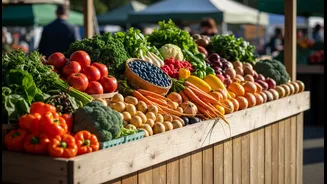
Embracing locally grown ingredients extends beyond your own garden. In India, kitchen gardens are increasingly seen as a way to improve household food security and empower communities. When you support local farmers' markets, you are not only getting fresher, more nutritious produce, but you are also investing in your local economy and sustainable agricultural practices. These small-scale farmers often grow a wider variety of heirloom crops that you won't find in large grocery stores, broadening your culinary horizons. By asking a farmer about their methods, you build a relationship with the people who grow your food, closing the gap between producer and consumer and fostering a food system built on trust and community.