



The Evolution of the 'Food Flex'
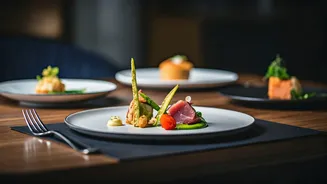
For years, the 'food flex' was about access and expense. It was about snapping a picture of your perfect avocado toast at a trendy café, sourcing single-origin coffee beans, or uncorking a rare bottle of wine. These were declarations of taste and, often,
wealth. But the culture is shifting. The new flex isn't just about what you can buy, but what you can create, understand, and cultivate. It’s a flex of knowledge, patience, and connection to your food source. It’s less about consumption and more about participation. In this new landscape, the humble mushroom has emerged as an unlikely hero.
Why Mushrooms Are the Perfect Candidate
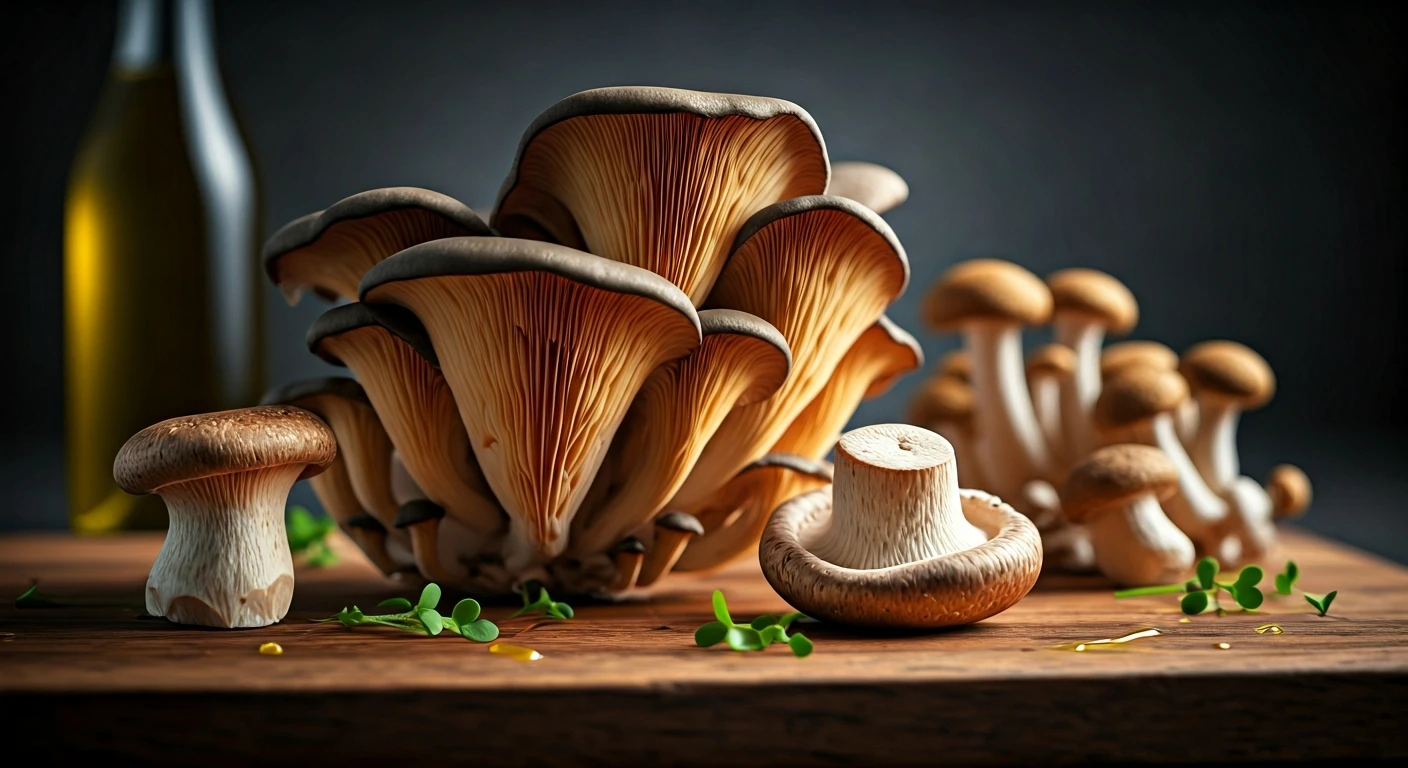
Mushrooms have always held a certain mystique. They are not quite plant, not quite animal, and they grow in fascinating, almost alien-like forms. For Indian home cooks, they were long relegated to the familiar button or a classic biryani, but a quiet revolution has been brewing. The rise of gourmet varieties like oyster, shiitake, and the brain-like lion's mane has opened a new culinary world. Their complex, umami-rich flavours and meaty textures can elevate a simple meal into something extraordinary. This exoticism, combined with their reputation for being tricky to grow, makes them the perfect subject for a modern food flex. Successfully cultivating them is a testament to your dedication as a foodie.
The Meaning of 'Hyperlocal'
‘Local’ is a term we know well—food sourced from farms within a certain radius. ‘Hyperlocal’ takes this concept to its logical extreme. It’s food grown in your immediate vicinity: your balcony, your community garden, or, in the case of mushrooms, a small, humid box on your kitchen shelf. The difference is profound. A mushroom harvested moments before being tossed into a pan has a level of freshness and flavour intensity that its supermarket counterpart, having travelled for days, simply cannot match. Pinks are pinker, textures are firmer, and the taste is cleaner. This isn't just farm-to-table; it's counter-to-pan.
The Rise of the At-Home Grower
This trend has been supercharged by the availability of user-friendly mushroom growing kits. These 'grow blocks'—compact substrates of sterilised sawdust or straw inoculated with mushroom spawn—have democratised mycology. Companies across India now ship these kits directly to your door, requiring little more than a daily spritz of water. What began as a pandemic-era hobby for many urban dwellers seeking a connection to nature has blossomed into a full-blown movement. In cities like Bengaluru, Mumbai, and Delhi, where space is a premium, mushroom kits offer a high-yield, low-footprint way to produce your own gourmet food. It’s gardening for the apartment generation.
A New World of Flavour
The real reward, of course, is on the plate. Growing your own mushrooms pushes you beyond the familiar. Instead of a simple mushroom mutter, you might find yourself pan-frying golden-brown lion’s mane ‘steaks,’ shredding pink oyster mushrooms for a vegan take on pulled pork, or adding the deep, earthy notes of fresh shiitake to a stir-fry. Each variety offers a unique culinary adventure. This isn't just about sustenance; it’s about expanding your palate and your cooking repertoire. Posting a photo of a stunning cluster of blue oyster mushrooms you grew yourself, before turning them into a spectacular pasta dish? That’s the 2024 food flex.
The Sustainable Status Symbol
Adding another layer to this trend is sustainability. Mushroom cultivation is a remarkably efficient process. Fungi are nature's great recyclers, and many grow kits use agricultural waste products like straw or coffee grounds as their base. They require very little water and energy compared to traditional agriculture and, being hyperlocal, have a negligible carbon footprint from transportation. In an age of climate consciousness, being able to produce delicious, high-protein food in a way that is gentle on the planet adds a powerful ethical dimension to the flex. It says you care not only about flavour, but also about your impact.