


Essential Pre-Monsoon Vehicle Checks
Before the heavy rains begin, a thorough vehicle check is non-negotiable. For car drivers and two-wheeler riders, this is the first line of defence. Ensure your tyres have adequate tread depth, ideally above 3mm, to prevent skidding on wet roads. Worn-out
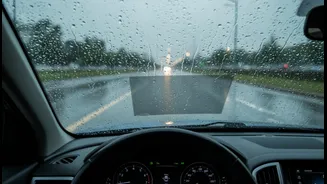
tyres are a major hazard as they significantly increase braking distance. Equally important are your brakes; get them inspected to ensure they are responsive, as wet conditions can reduce their effectiveness. Your wipers are your window to the world in a downpour, so replace worn blades that leave streaks. Finally, walk around your vehicle and test all lights—headlights, taillights, indicators, and brake lights. Good visibility is a two-way street: you need to see and be seen.
Safety Tips for Car Drivers
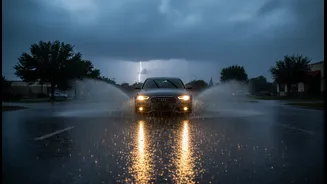
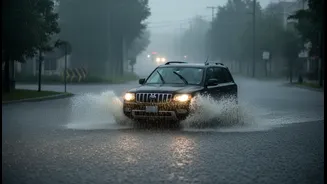
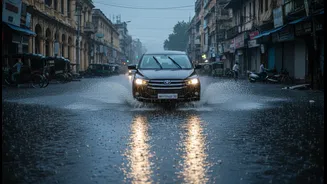
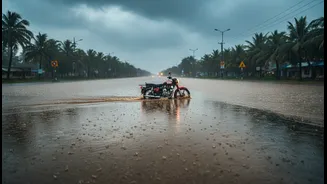
When driving in heavy rain, your primary goal is to maximise reaction time and maintain control. The single most effective way to do this is to reduce your speed. Wet roads are notoriously slippery, especially during the first rains which lift oil and grime from the asphalt. Double your following distance from the vehicle ahead to account for increased braking distances. Always use your low beam headlights, even during the day, to improve your visibility to others. High beams reflect off raindrops and can worsen visibility for you and oncoming traffic. If you approach a waterlogged area, exercise extreme caution. Never drive into floodwater if you cannot gauge its depth; it can hide deep potholes or even wash your vehicle away. Two feet of water is enough to carry away most cars. If you must pass through shallow water, keep the car in a low gear with high engine revs to prevent water from entering the exhaust.
Advice for Two-Wheeler Riders
Riders are far more vulnerable during the monsoon. In addition to the pre-monsoon checks, wearing the right gear is crucial. A full-face helmet, preferably with an anti-fog visor, waterproof boots with good grip, and a high-visibility or reflective jacket can be life-savers. On the road, all manoeuvres—braking, accelerating, and turning—should be gentle and gradual to avoid losing traction. Be extremely wary of road surfaces. Hidden potholes under puddles are a major threat, and painted road markings become very slippery when wet. Braking distances are longer on a two-wheeler, so always apply both brakes gently and anticipate stops well in advance. If rain becomes too heavy and visibility drops, find a safe, covered spot like a petrol station or under a flyover to wait it out. Do not stop at the edge of the road where you may not be visible to other vehicles.
Guidance for Pedestrians
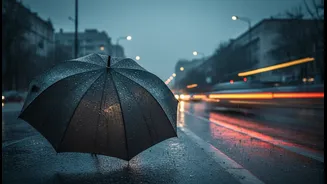
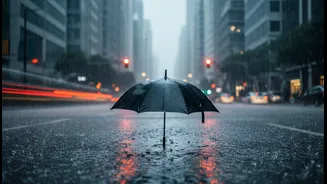
Pedestrians face significant risks from both traffic and the environment during heavy rains. The most important rule is to be visible. Opt for brightly coloured raincoats and umbrellas instead of dark colours. If you are out after dark, use reflective gear if possible. Choose your footwear wisely; boots or shoes with non-slip soles are essential to prevent falls on slick surfaces. Avoid the urge to dash across the street in a downpour; reduced visibility means drivers may not see you in time. Stick to designated crossings and sidewalks wherever possible. Be extremely cautious of puddles, as they can conceal open manholes or deep potholes. Also, be mindful of loose electrical wires that may have fallen during a storm.
If Your Vehicle Gets Stranded
Getting stuck, especially in rising water, can be a frightening experience. If your car stalls in floodwater, do not attempt to restart the engine. This can cause water to enter the engine, leading to catastrophic and expensive damage known as hydrostatic lock. Turn on your hazard lights. If the water level is rising, your priority is personal safety, not the vehicle. Unlock the doors and try to open a window to escape. If you can exit safely, abandon the vehicle immediately and move to higher ground. Just six inches of water can cause a loss of steering and control, while a foot can make a vehicle float.