

Embrace the Power of Layering
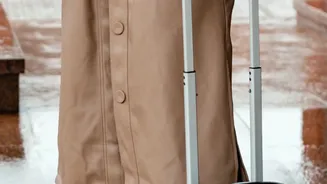
The single biggest mistake when packing for wet weather is choosing a single, heavy raincoat. Instead, think in layers. A modern, lightweight waterproof shell jacket is your most crucial piece. These jackets are designed to be highly effective against
wind and rain but pack down to the size of an apple. Underneath, you can layer a thin, warm mid-layer like a merino wool sweater or a compact fleece. This system is more versatile than one bulky coat; you can wear the shell alone in a light shower, the mid-layer indoors, or both together for warmth and protection. This approach gives you three-in-one functionality for a fraction of the packing space.
Choose Fabrics That Work For You
When space is limited, every fabric choice matters. Cotton is a poor choice for rainy destinations because it absorbs moisture and takes a long time to dry. Instead, prioritise synthetics and smart wools. Merino wool is a travel superstar; it’s lightweight, regulates temperature, and resists odours, meaning you can wear a merino t-shirt or base layer multiple times. For trousers, look for quick-dry hiking or travel pants made from nylon or other synthetic blends. They are often water-resistant and, if they do get soaked, will dry overnight in your hotel room, unlike a pair of heavy jeans.
Master the Art of Compression
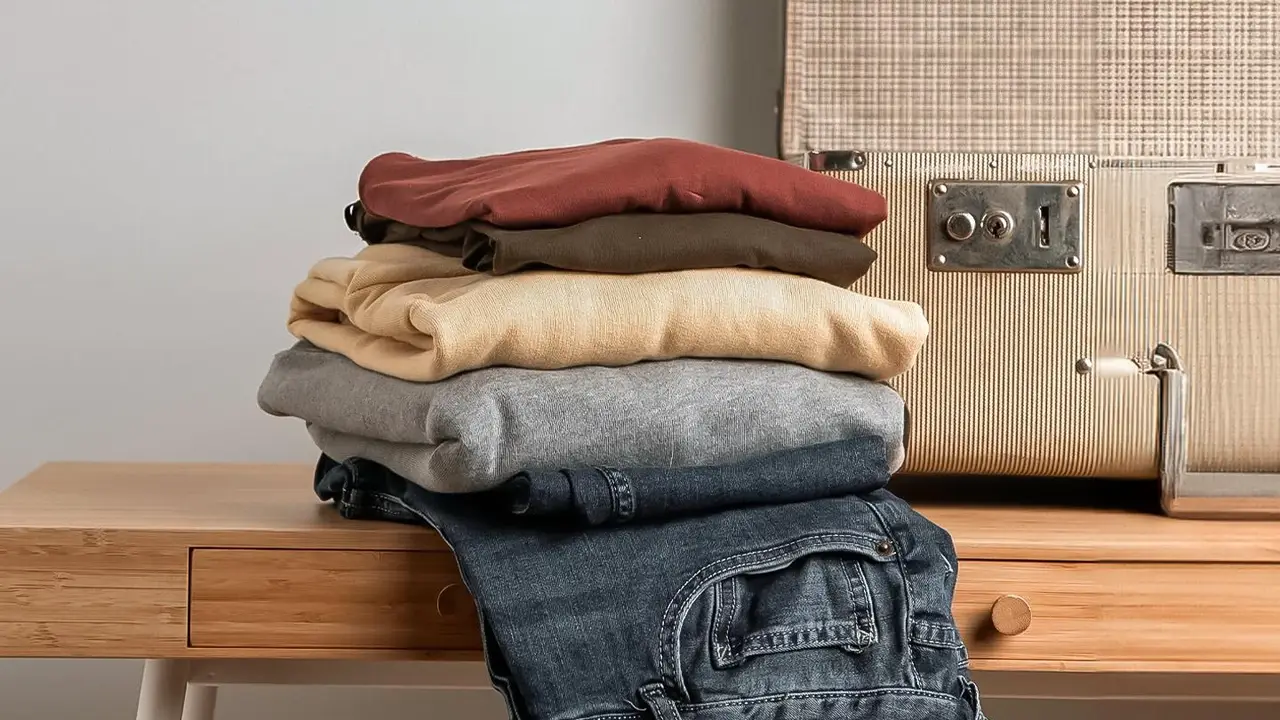
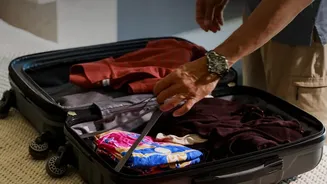
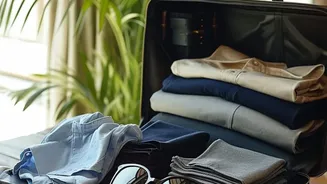
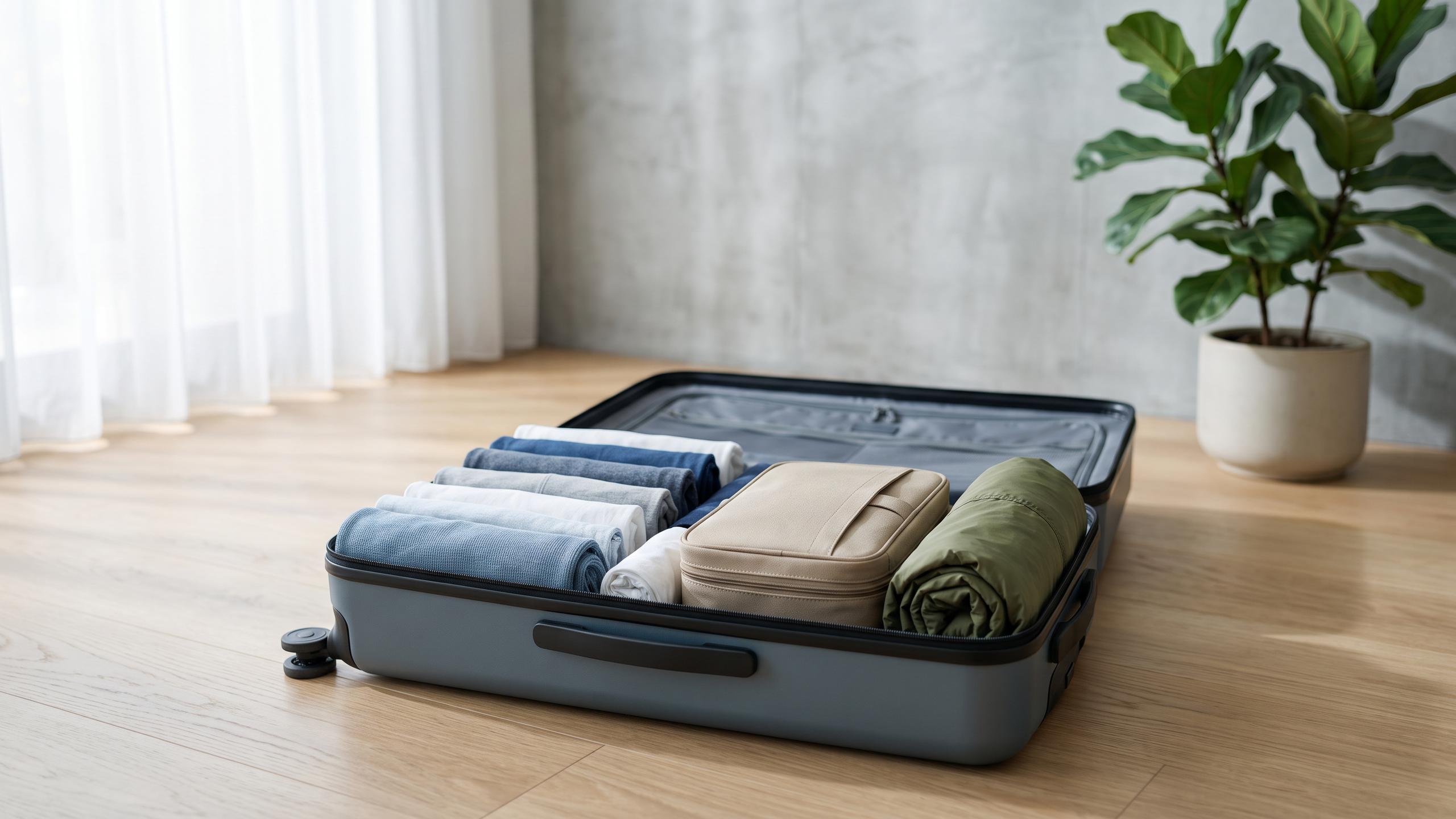
To truly maximize your carry-on space, you need to shrink your clothes. Packing cubes are essential tools for this. By rolling your clothes tightly and placing them in a cube, you can compress them and keep your bag incredibly organized. For a rainy trip, they serve a dual purpose: one cube for clean, dry clothes and a separate, empty one to quarantine anything that gets damp during your travels. For even more aggressive space-saving, consider vacuum compression bags for your bulkiest item, like a fleece jacket. You simply put the item in, seal the bag, and roll it to push all the air out.
Limit Yourself to Multi-Purpose Items
For a short, four-day trip, every item should earn its spot by serving more than one function. Your biggest space-saver will be your footwear. Instead of packing multiple pairs, find one pair of comfortable, waterproof walking shoes or boots that look good enough for a casual dinner. Wear this bulkiest item on the plane. A stylish, water-resistant backpack can double as your day bag and your personal item for the flight. A large scarf or pashmina can be an accessory, an extra layer of warmth on the plane, or even a makeshift head covering in a sudden drizzle.
The Strategic Two-Shoe Rule
Footwear is the number one enemy of light packing. For a four-day trip, you only need two pairs at most. As mentioned, wear your primary, waterproof pair on the flight. This should be a versatile boot or shoe that can handle puddles and long walks. The second pair should be something lightweight and small that can be worn in the evenings or indoors. This could be a pair of packable flats, loafers, or even minimalist sneakers. To pack them efficiently, stuff them with socks and underwear to make use of the empty space inside, and place them along the edges of your carry-on in separate bags to keep clothes clean.
Don't Forget a Plan for Wet Gear
One of the most overlooked aspects of packing for rain is what to do with your wet clothes when you come inside. Packing a small, ultralight dry bag or even a few simple plastic grocery bags is a non-negotiable. A wet rain jacket or pair of pants thrown into your luggage can make everything else damp and musty. By isolating wet items in a dedicated waterproof bag, you protect the rest of your clothes and make repacking for your journey home much simpler. This small addition to your packing list can be a trip-saver, ensuring you always have something dry and comfortable to change into.