
It All Starts with Origin
Just as with wine, a tea's place of origin, or 'terroir', profoundly shapes its flavour profile. Terroir encompasses everything from the soil composition and altitude to the climate and local biodiversity. Teas are often named after their home regions,
like Assam and Darjeeling from India, or Keemun from China. High-altitude teas, grown in cooler air, tend to grow slower, concentrating their aromatic compounds for a more floral and complex flavour. Lower-grown teas often have more body and a briskness that stands up well to milk and sugar. When you see 'single-origin' on a package, it means the tea comes from one specific geographic location, offering a pure taste of that place. Blends, on the other hand, combine teas from different origins to create a consistent and balanced flavour profile, like a classic English Breakfast. Understanding where your tea comes from is the first step to identifying the flavours you enjoy most, whether it's the malty notes of an Assam or the muscatel character of a Darjeeling.
Decoding the Ingredient List
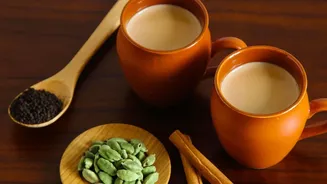
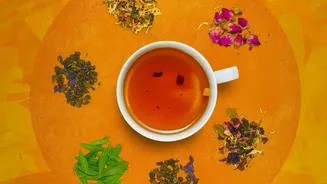
Beyond pure, single-origin teas, a vast universe of blended and flavoured teas awaits. The ingredient list is your map to this territory. Many specialty teas are pure Camellia sinensis, with the flavour determined by origin and processing alone. However, many others are blends that include other ingredients to enhance or create a specific flavour profile. These additions can range from flowers like jasmine and chamomile to spices like cinnamon and cardamom, or fruit essences like the bergamot in Earl Grey. High-quality blended teas use natural ingredients that complement the base tea. For instance, a robust black tea can handle bold spices, while a delicate white tea pairs better with subtle floral notes or light fruit. Then there are herbal infusions, or 'tisanes', which contain no actual tea leaves and are naturally caffeine-free. These are blends of herbs, spices, and fruits like peppermint, ginger, and hibiscus. When shopping, look for clear ingredient lists with natural components over artificial flavourings to ensure a more authentic and enjoyable taste.
Navigating Caffeine Content
The energising effect of tea is one of its main attractions for many, but the caffeine content can vary significantly. While all true teas come from the Camellia sinensis plant, the way they are processed influences their caffeine levels. Generally, black tea has the most caffeine, followed by oolong, green, and then white tea, which typically has the least. An average cup of black tea contains about 40-70 mg of caffeine, roughly half that of a standard cup of coffee. Green tea contains around 20-45 mg, while white tea can have as little as 15-20 mg per cup. However, these are just general rules. Steeping time and water temperature also play crucial roles; a longer steep with hotter water will extract more caffeine. Matcha, a powdered green tea where the entire leaf is consumed, is a notable exception, packing a more potent caffeine punch than most other teas. For those who wish to avoid caffeine entirely, herbal tisanes made from ingredients like chamomile, rooibos, or mint are an excellent choice as they are naturally caffeine-free.
Building Your Personal Tea Profile
With a better understanding of origin, ingredients, and caffeine, you can start building a personal tea profile. Think about what you want from your cup. Are you looking for a bold, robust brew to start your morning? A malty Assam black tea from a low-lying region might be perfect. Do you need a gentle afternoon pick-me-up? A Japanese sencha green tea could provide that, with its grassy notes and moderate caffeine. For a relaxing, caffeine-free evening ritual, an herbal blend of chamomile and lavender might be just the ticket. Don't be afraid to experiment. The best way to learn is to taste. Try single-origin teas from different regions to see if you prefer the flavour profile of Indian versus Chinese teas. Sample different blends to discover if you enjoy spicy, floral, or fruity notes. By paying attention to these three factors, you move beyond simply buying tea and start curating an experience tailored perfectly to your own palate and needs.