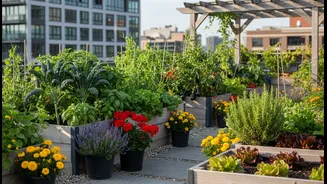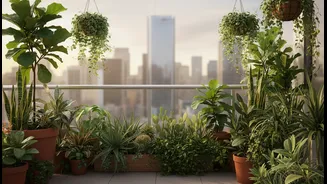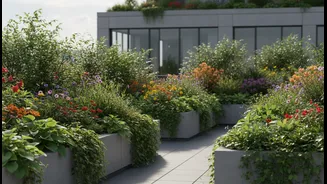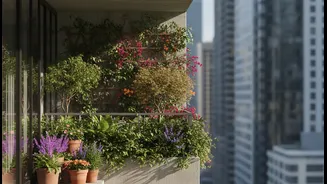



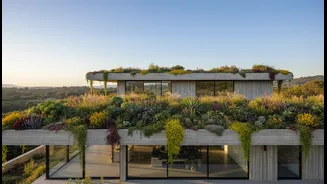



The Science of Natural Air-Conditioning
The primary way terrace gardens combat heat is by tackling the 'Urban Heat Island' effect, where concrete and asphalt absorb and radiate the sun's energy, making cities significantly hotter than rural areas. A bare concrete roof can get intensely hot,
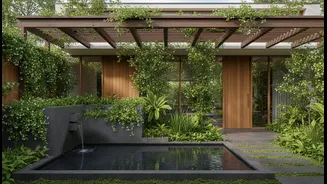
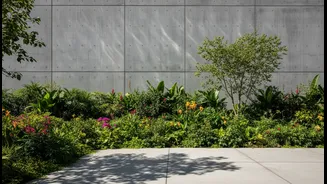
transferring that heat directly into the rooms below. A layer of soil and plants fundamentally changes this. The cooling effect happens in three main ways. First, through shading, the plant canopy and soil physically block solar radiation from hitting the roof surface. Second, the process of evapotranspiration acts as a natural air conditioner. Plants absorb water through their roots and release it as water vapour from their leaves, a process that draws heat from the surrounding air, cooling it down. Lastly, the soil and vegetation provide an extra layer of insulation, slowing the transfer of heat into the building. Studies have shown this can reduce a roof's surface temperature dramatically and lower indoor temperatures by several degrees.
More Than Just a Cooler Home
The benefits of a terrace garden extend well beyond temperature control. They significantly improve local air quality by filtering pollutants and producing oxygen. By absorbing rainwater, these green spaces reduce stormwater runoff, which helps prevent local flooding. They also create mini-ecosystems, attracting birds, butterflies, and other pollinators, which enhances urban biodiversity. Furthermore, the act of gardening itself is a well-known stress reliever and can provide a sense of connection to nature, which is often a luxury in a bustling city. For those with a green thumb, a terrace garden offers the opportunity for urban agriculture, providing fresh, organic vegetables and herbs right at home.
First Steps: Essential Practicalities
Before you start hauling bags of soil to your roof, a few critical checks are necessary. The most important consideration is the structural integrity of the roof. A garden, with its soil, water, and plants, adds significant weight. It is essential to consult a structural engineer to assess the load-bearing capacity of your roof to ensure it can safely support a garden. The second crucial element is waterproofing. An effective, root-resistant waterproof membrane must be installed to prevent any water from seeping into the building and causing damage. Proper drainage is also non-negotiable to avoid waterlogging, which can harm both the plants and the building's structure. Consulting professionals for these steps is a wise investment that prevents costly problems later.
Choosing the Right Plants for Indian Summers
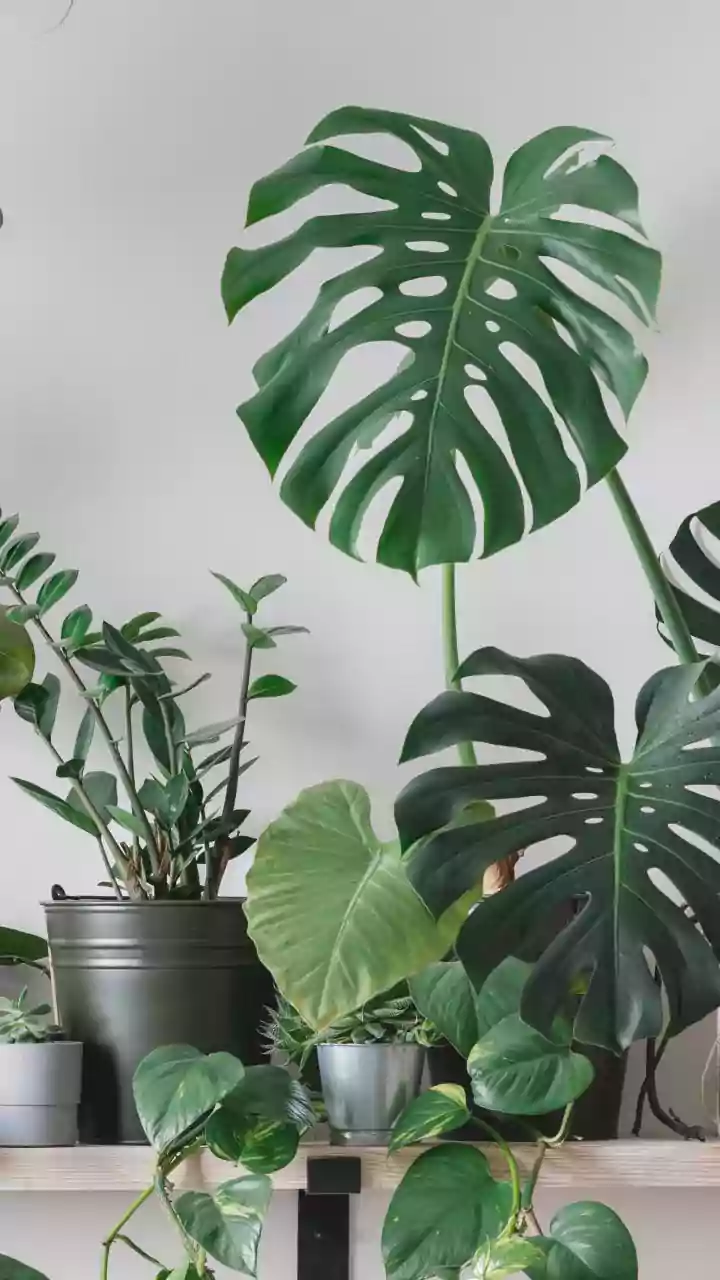
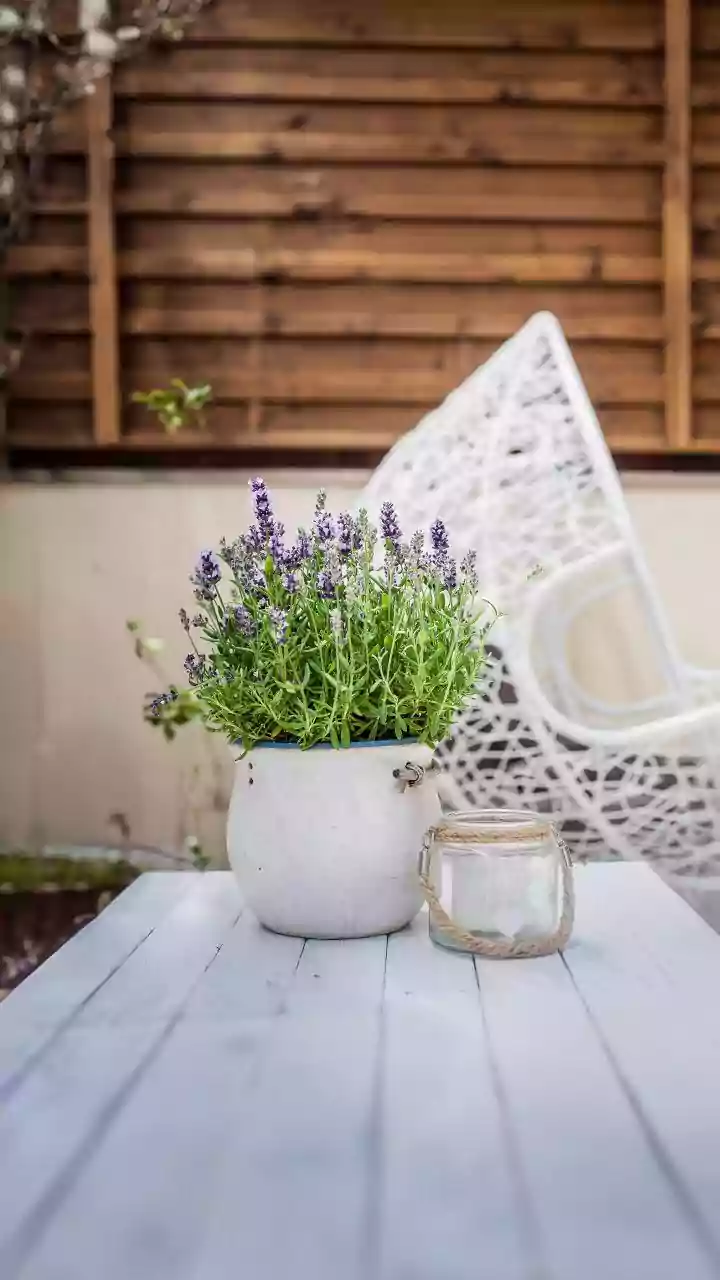
For a terrace garden to thrive in India, you need to select plants that can withstand intense heat and sun. Succulents like Aloe Vera and Jade Plant are excellent choices as they store water in their leaves and require minimal care. Flowering plants like Bougainvillea, Portulaca (Moss Rose), and Hibiscus are famously hardy and add vibrant colour even in scorching temperatures. For creating natural shade, fast-growing climbers like the Betel Leaf plant can be trained over a trellis. Herbs such as Lemongrass and Indian Basil (Tulsi) not only tolerate heat but also release pleasant fragrances and can be used in the kitchen. For those with enough space and structural support, even dwarf varieties of trees like Neem can be grown in large containers.