






The Vanishing Cool of the Night
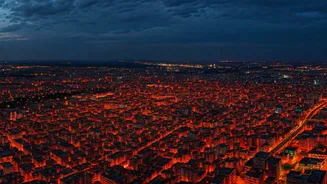
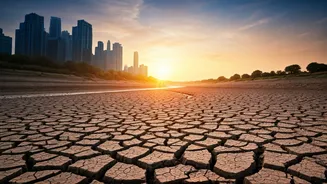
For generations, nightfall brought a welcome respite from the sweltering heat of an Indian summer day. But across the country's swelling urban centres, this simple comfort is becoming a memory. The phenomenon is known as the Urban Heat Island (UHI) effect,
where cities are significantly warmer than their rural surroundings. While this isn't a new concept, recent findings highlight a more dangerous and specific trend: nighttime temperatures in Indian cities are rising faster than daytime ones. A recent study by Climate Trends, focusing on homes in Chennai, found indoor temperatures rarely dropped below 31°C, even in the cooler months, with humidity often staying above 75%. This persistent night heat means the 24-hour cycle of heating and cooling is broken, leaving millions in a state of perpetual thermal stress.
The Science of the Concrete Sponge
So, what are these new findings? The primary culprit is the very fabric of our cities: concrete, asphalt, and other dense construction materials. These materials act like giant thermal sponges. During the day, they absorb and store a massive amount of solar radiation. Unlike natural surfaces like soil and vegetation, which cool down quickly after sunset, concrete and asphalt release this stored heat slowly and steadily throughout the evening and night. Research shows this process can cause indoor temperatures to peak as late as 8 or 9 PM, as walls and roofs radiate the day's heat back into living spaces. This is compounded by the loss of green cover; a recent report from the Centre for Science and Environment (CSE) noted Delhi's tree cover fell from 25% to 14% in a decade, removing a vital natural cooling mechanism.
A Dangerous Compound Effect
Scientists are now paying close attention to what they call "compound heatwaves." This is when a scorching hot day is followed by an oppressively warm night, a pattern that is becoming more frequent in Indian cities. This one-two punch is far more dangerous than a daytime heatwave alone. The human body relies on cooler nighttime temperatures to recover from the stress of daytime heat. When that recovery period is eliminated, the physiological strain accumulates. Research from Ahmedabad provided startling data: on a hot day, if the night temperature rose above 30°C, the city's all-cause mortality rate more than doubled compared to a night below 28°C. This highlights a critical gap in public policy, as most Heat Action Plans (HAPs) in India focus almost exclusively on daytime heat, overlooking the silent threat of hot nights.
The Hidden Health Crisis
The health implications of this relentless heat are profound and often underestimated. When the body can't cool down overnight, it can lead to chronic sleep disruption, dehydration, and electrolyte imbalance. This puts immense strain on the cardiovascular system, forcing the heart to work harder even during sleep. Doctors warn that this increases the risk of heat stroke, kidney problems, and heart attacks, especially for vulnerable populations like the elderly, children, and those with pre-existing conditions like diabetes and hypertension. The constant fatigue and exhaustion from poor sleep also impact productivity and mental well-being, turning indoor spaces, which should be a refuge, into sources of chronic stress.
Rethinking Urban Design
The science, while alarming, also points toward solutions. Since the problem is rooted in urban design, the solutions must be too. Researchers and urban planners are calling for a fundamental shift in how we build our cities. This includes adopting "cool roof" technologies that reflect sunlight instead of absorbing it, increasing green cover through parks, vertical gardens, and green roofs, and preserving water bodies. Studies show that even small "pocket parks" can create noticeable cooling effects. Furthermore, there is a growing push for Heat Action Plans to be updated to include specific warnings and measures for nighttime heat, such as ensuring a reliable electricity supply for cooling and establishing nighttime cooling shelters. The choice of building materials, promoting natural ventilation, and reducing the density of heat-trapping surfaces are all critical long-term strategies.