





The Monsoon's Sudden Pause
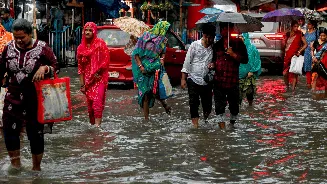
For farmers across India's agricultural heartlands, the monsoon is not just weather; it's the lifeblood of the Kharif season. This year, the Southwest Monsoon arrived on time, even early in some regions, sparking hope and initiating sowing activities.
However, the momentum has stalled. The Indian Meteorological Department (IMD) and various agricultural scientists have noted a 'monsoon break'—a period of significantly weakened rainfall activity. This lull, coming right after initial showers, has created a precarious situation. The ground is moist enough to tempt sowing, but the forecast lacks the sustained downpour needed for seeds to survive and thrive, putting farmers in a difficult bind.
The Peril of Sowing Too Soon
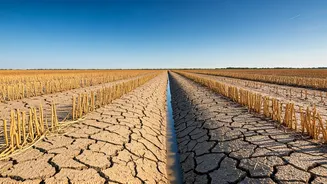
The advice to delay sowing is rooted in a costly risk known as 'false germination'. When farmers sow crops like cotton, soybean, or pulses after the first light rains, the seeds begin to sprout. If this initial growth is not supported by follow-up showers within a few days, the seedlings wither and die in the soil due to heat and lack of moisture. This results in a total loss. Farmers lose their investment in expensive seeds, which can range from ₹2,000 to ₹10,000 per acre depending on the crop. They also lose money spent on fuel for tractors, fertilisers, and labour. Having to re-sow the entire field doubles the cost and significantly eats into any potential profit margin for the season.
Which Regions and Crops Are Most Affected?
This advisory is most critical for farmers in rain-fed regions, which constitute a significant portion of India's agricultural land. States like Maharashtra, Karnataka, Madhya Pradesh, and parts of Gujarat and Rajasthan are particularly vulnerable. Farmers here are heavily dependent on the monsoon's performance for their Kharif crops. The main crops at risk include cotton, a major cash crop; oilseeds like soybean and groundnut; and pulses such as tur (pigeon pea) and moong (green gram). While farmers with access to irrigation from canals or tube wells have a buffer, the vast majority who rely solely on rainfall are being urged to exercise maximum caution and wait for the monsoon to revive robustly.
A Strategy of 'Active Waiting'
Delaying sowing is not a passive act but a strategic one. Agricultural universities and state departments are advising farmers to use this waiting period productively. This is the ideal time for deep ploughing and other field preparation activities, which help improve soil moisture retention when the rains do return. Experts also suggest keeping contingency plans ready. This might involve procuring seeds of shorter-duration or more drought-tolerant crop varieties. If the delay extends, switching from a long-duration crop to one that matures faster can help salvage the season. Staying updated with local weather forecasts and advisories from Krishi Vigyan Kendras (KVKs) is crucial for making a timely and informed decision on when to finally sow.
When Will the Rains Return?
This is the million-rupee question for every farmer. Meteorologists are closely monitoring conditions for the monsoon's revival. Typically, such breaks can last from a few days to over a week. The IMD provides regular updates on the likely date of the monsoon's resumption in different regions. The advice is not to sow until there has been at least 80-100 mm of cumulative rainfall, ensuring deep soil moisture. This prevents the false germination trap and gives the crop a strong foundation to withstand potential dry spells later. While the wait is nerve-wracking, patience now is being framed as an investment in the success of the entire Kharif season.