





Security and the Sterile Area
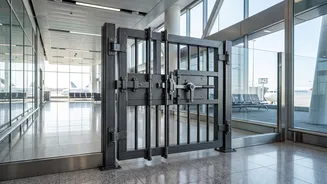
The number one reason you can't simply walk back onto a plane is security. Once you step off the aircraft and into the terminal, you have left what's known as the 'sterile area'. This is the secure zone that all passengers enter after passing through
security screening. Aviation authorities assume that once you are out, you could have come into contact with unscreened individuals or objects. Allowing you to re-enter without being screened again would compromise the security of the aircraft, its crew, and all other passengers. Flight attendant Kari Pelzer notes that once a passenger deplanes, officials have no idea who they have interacted with, creating a potential safety issue. This policy is strictly enforced across all airlines to maintain the integrity of airport security protocols.
The Immigration and Customs Barrier
On international flights, the rules are even stricter. The moment you deplane, you are officially in the process of entering a new country. You are guided toward immigration and customs control. Trying to reboard the aircraft would be like trying to exit the country you just entered, creating a significant bureaucratic headache. Customs and Border Protection (CBP) in the U.S., for example, requires all passengers arriving from overseas to collect their luggage and clear customs. Reboarding would invalidate this entire process. You cannot be in two places at once in the eyes of border officials: either you are arriving, or you are departing. There is no in-between, and re-entering the plane would place you in a state of limbo that security and immigration systems are not designed to handle.
Operational and Logistical Hurdles
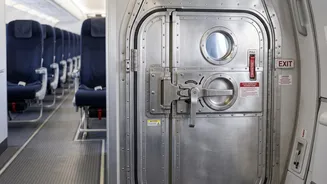
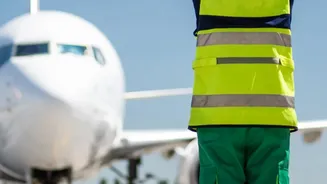
Airlines operate on incredibly tight schedules. The time an aircraft spends on the ground—known as 'turnaround time'—is a precisely choreographed dance. As soon as the last passenger is off, the ground crew and cabin crew begin a flurry of activity. This includes cleaning the cabin, restocking supplies, performing safety checks, refueling, and preparing for the next set of passengers. A person wanting to reboard disrupts this flow, potentially causing delays that have a domino effect on later flights. Flight manifests must be finalized, and weight and balance calculations are completed before departure. Reopening a closed aircraft door often requires paperwork and can lead to an official investigation, especially since it may signal a security or maintenance issue. As one flight attendant explained, allowing customers back on could easily cause delays for the next departure.
The Passenger Count Problem
Airlines are legally required to maintain an accurate count of every soul on board. This passenger manifest is crucial for safety and security. When you deplane, you are officially removed from the inbound flight's count. If you were to get back on, you would create a discrepancy. If a passenger who has been checked in goes missing before takeoff, their luggage may need to be located and removed from the hold, which is a time-consuming security procedure. While this applies more to the pre-departure phase, the principle of maintaining a correct passenger count is constant. During a tarmac delay, for instance, airlines must offer passengers the chance to deplane after a certain time, but they warn that if you get off, they are not required to let you back on.
So, What Can You Do?
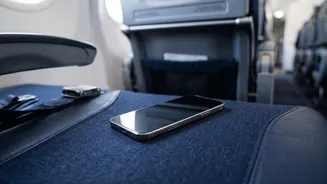
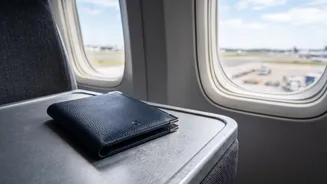
If you realise you’ve left something behind while still in the gate area, your best bet is to immediately speak to the gate agent. Do not try to reboard yourself. The agent or a crew member may be able to retrieve the item for you before the aircraft is locked for its next phase of operations. If you've already left the gate or the airport, you'll need to contact the airline’s lost and found department. Most airlines have a dedicated online form where you can report the lost item, providing your flight and seat number. Acting quickly is key, as it dramatically increases the chances of being reunited with your belongings. Many items are found by cleaning crews and turned over to the lost and found office at the arrival airport.