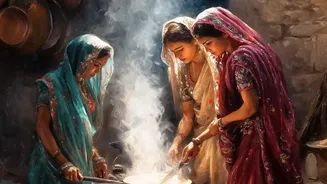


In the crisp mountain air of Kumaon, the aroma of woodsmoke mingles with the earthy scent of lentils and millets simmering over a slow fire. This is the heart of Pahari cooking, a tradition rooted in simplicity, sustainability, and the land itself.
The Soul of the Hills on a Plate
Kumaoni
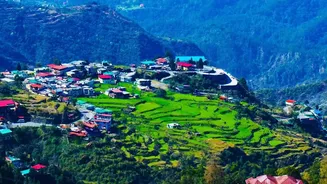
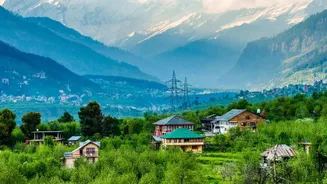
cuisine is a reflection of the rugged, beautiful landscape of Uttarakhand. It is food born from necessity, relying on crops that thrive in the demanding Himalayan climate. Central to this culinary tradition are hardy millets and protein-rich lentils, which have nourished communities here for centuries. Dishes are straightforward, wholesome, and built around locally sourced ingredients that provide warmth and energy. The cooking methods are often slow, allowing flavours to develop fully, creating meals that are both comforting and deeply satisfying. This isn't just sustenance; it's a taste of the region's agricultural heritage and the wisdom of generations who mastered the art of turning simple ingredients into nourishing fare.
Madua and Jhangora: The Mighty Millets
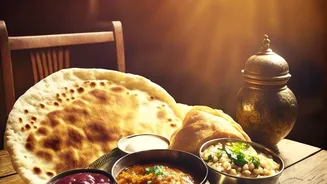
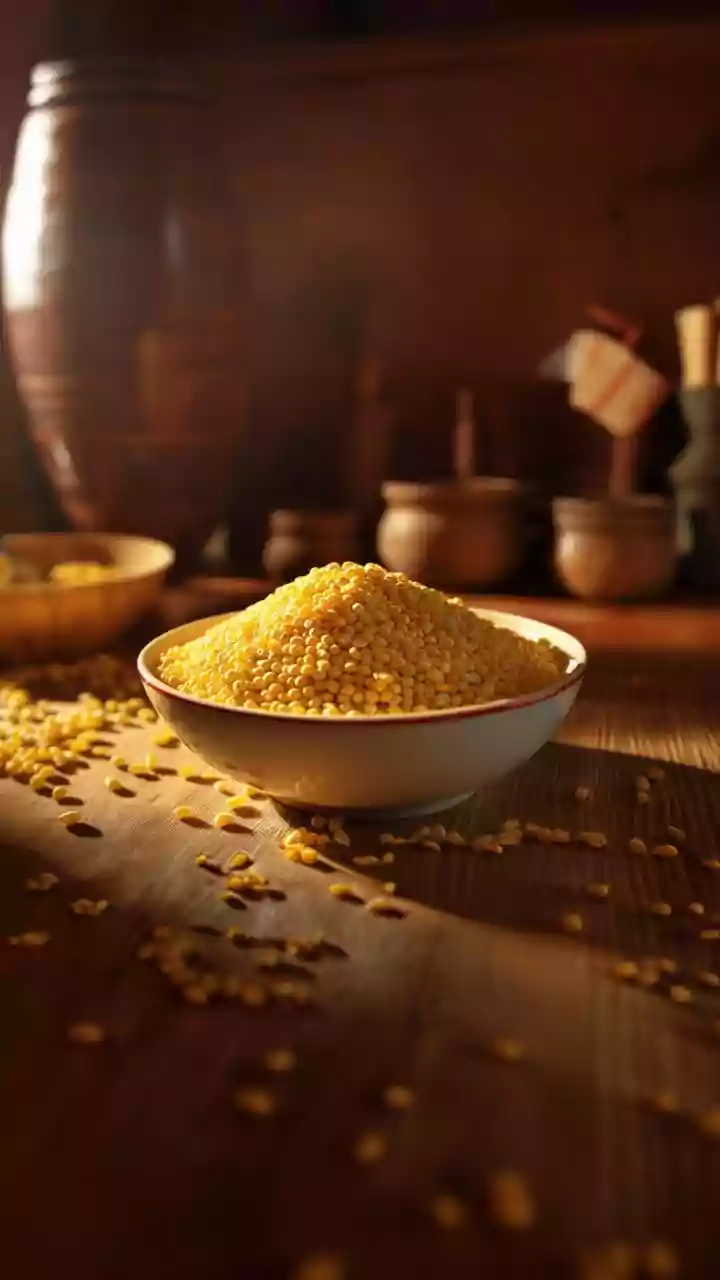
Millets are the bedrock of Kumaoni village cooking. Madua, or finger millet, is used to make the iconic Madua ki Roti, a dark, nutrient-dense flatbread. Often eaten with a dollop of ghee, this roti is the perfect accompaniment to flavourful curries. Another cherished grain is Jhangora, or barnyard millet, a tiny, versatile grain that is completely gluten-free. While it can be used in savoury dishes, its most beloved form is Jhangora ki Kheer, a creamy dessert. The millet is slow-cooked in milk until tender, sweetened with sugar or jaggery, and often garnished with nuts. These grains are not just food; they represent resilience, thriving in conditions where other crops might fail and offering immense nutritional benefits.
Bhatt and Gahat: The Hearty Lentils
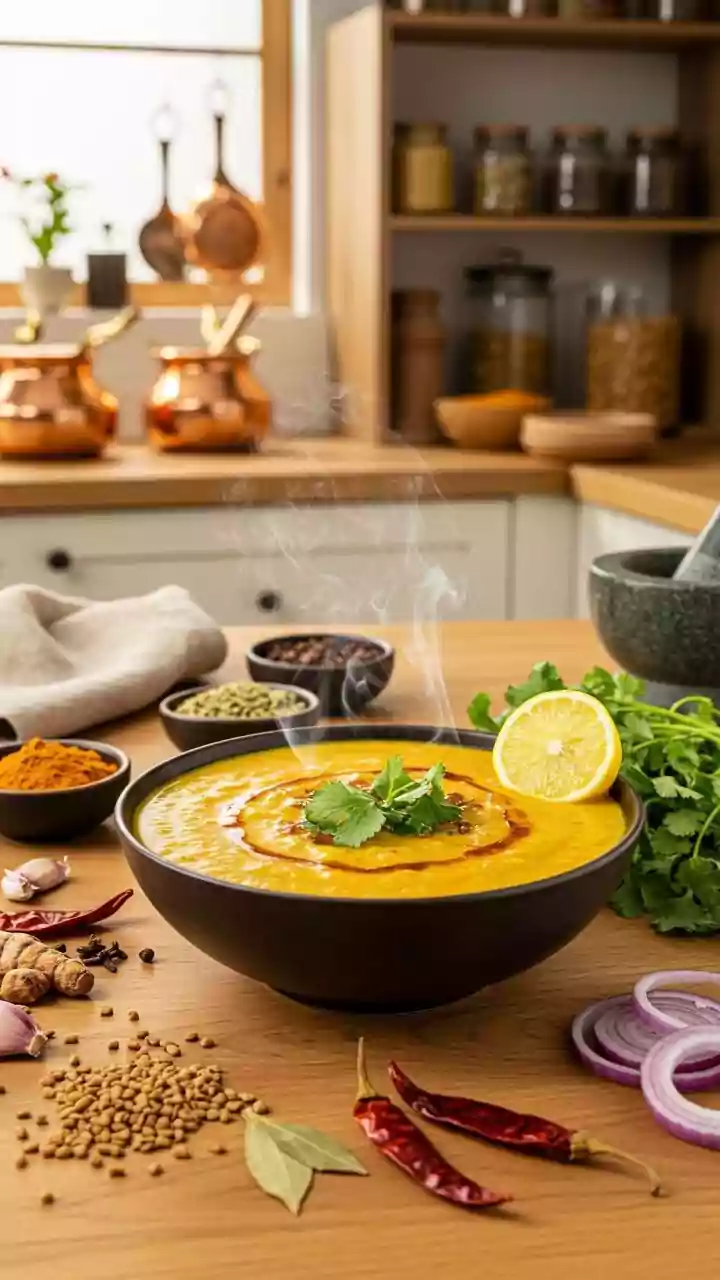
The lentils of Kumaon are as robust as its mountains. Bhatt, a variety of black soybean, is the star of two signature dishes: Bhatt ki Churkani and Bhatt ke Dubke. For Churkani, the soybeans are roasted before being cooked into a thick, aromatic curry, a process that gives the dish a uniquely deep, earthy flavour. This dish is a winter staple in many households. Another important pulse is Gahat, also known as horse gram. Gahat ki Dal is a warming and highly nutritious dish, treasured for its ability to provide comfort during cold months. Traditionally, the dal is slow-cooked and tempered with local spices like jakhiya, a wild mustard that adds a distinctive crackle and nutty aroma. These lentil preparations are almost always served with a generous helping of steaming hot rice.
A Taste of Tradition and Revival
Kumaoni food is more than a list of recipes; it's a living tradition intertwined with daily life and the seasons. The reliance on local produce reflects a philosophy of eating what the land provides. This culinary heritage is experiencing a quiet revival. As interest grows in nutritious and sustainable food, millets are being recognized for their superfood qualities. The government of Uttarakhand has even launched a 'Millet Mission' to encourage the cultivation of these traditional grains, helping both farmers and the environment. Local chefs and community-run homestays are now championing these rustic dishes, introducing them to a new generation of travellers and food lovers. By celebrating these simple, flavourful dishes, they are helping to preserve a vital piece of Himalayan culture.