




Why Your Gut Microbiome is a Big Deal
Imagine a bustling city inside your digestive system, populated by trillions of microorganisms. This is your gut microbiome, a complex ecosystem of bacteria, fungi, and other microbes that plays a vital role in your overall health. This internal community
doesn't just help you digest food; it's also responsible for producing essential vitamins, supporting your immune system, regulating your mood, and even protecting you from harmful pathogens. When the beneficial bacteria in this city thrive, so do you. But when their balance is disrupted by factors like stress, a lack of dietary fiber, or a diet high in processed foods, it can lead to issues like bloating, constipation, low energy, and skin problems. Nurturing this internal garden is one of the most effective ways to boost your well-being from the inside out.
The Problem with Polished White Rice
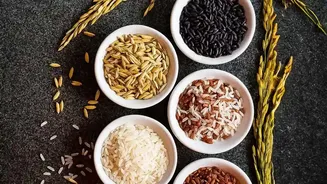
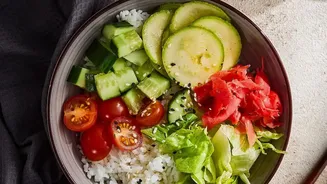
For many households in India, a meal isn't complete without rice. It's a comforting and versatile staple. However, the polished white rice that graces most plates has a downside. The refining process strips the grain of its bran and germ—the very parts that contain most of the fiber, vitamins, and minerals. What’s left is primarily starch. This lack of fiber means two things for your gut. First, it offers very little food for your beneficial gut bacteria, which thrive on dietary fiber. Second, its starchy nature gives it a high glycemic index (GI), meaning it can cause a rapid spike in blood sugar levels. While convenient, a diet heavily reliant on low-fiber, high-GI grains can leave your gut microbiome undernourished and your energy levels on a rollercoaster.
Meet the Millet Powerhouses: Foxtail and Sorghum
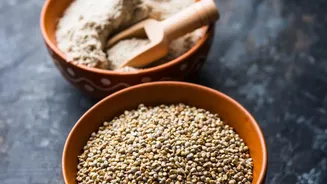
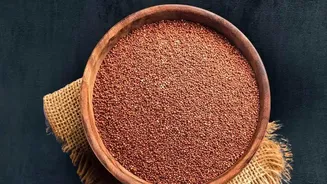
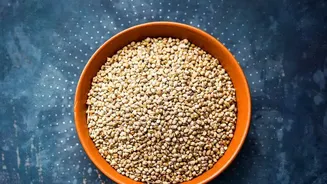
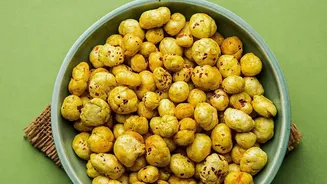
This is where ancient wisdom comes to the rescue. Millets like foxtail (kangni/thinai) and sorghum (jowar) were staples in the Indian diet for thousands of years before polished rice became dominant. These hardy, climate-resilient grains are now making a well-deserved comeback, championed for their incredible nutritional profiles. Unlike polished rice, millets are whole grains that retain their nutrient-dense outer layers. Foxtail millet, for instance, is rich in protein and iron, while sorghum is packed with antioxidants. Both are naturally gluten-free and boast a much lower glycemic index than white rice, making them excellent for sustained energy release and better blood sugar control. They represent a return to a more traditional, nutrient-dense way of eating.
How Millets Act as 'Prebiotics' for Your Gut
The single biggest advantage millets have over white rice is their phenomenal fiber content. Foxtail millet and sorghum are loaded with both soluble and insoluble fiber. This fiber does more than just aid regular bowel movements. A significant portion of it is what's known as prebiotic fiber. Think of prebiotics as fertilizer for your gut garden. These fibers aren't digested in your small intestine; instead, they travel to the colon, where they become food for your beneficial gut bacteria like Bifidobacterium and Lactobacillus. As the bacteria ferment this fiber, they produce short-chain fatty acids (SCFAs). These SCFAs are metabolic powerhouses that strengthen the gut lining, reduce inflammation, and improve the body's ability to absorb nutrients. By feeding the good microbes, millets help create a diverse and thriving gut ecosystem.
Making the Switch: How to Cook and Use Millets
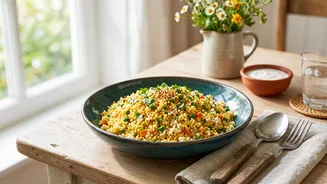
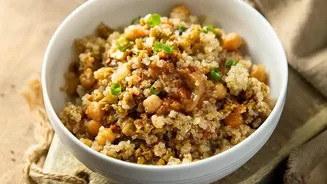
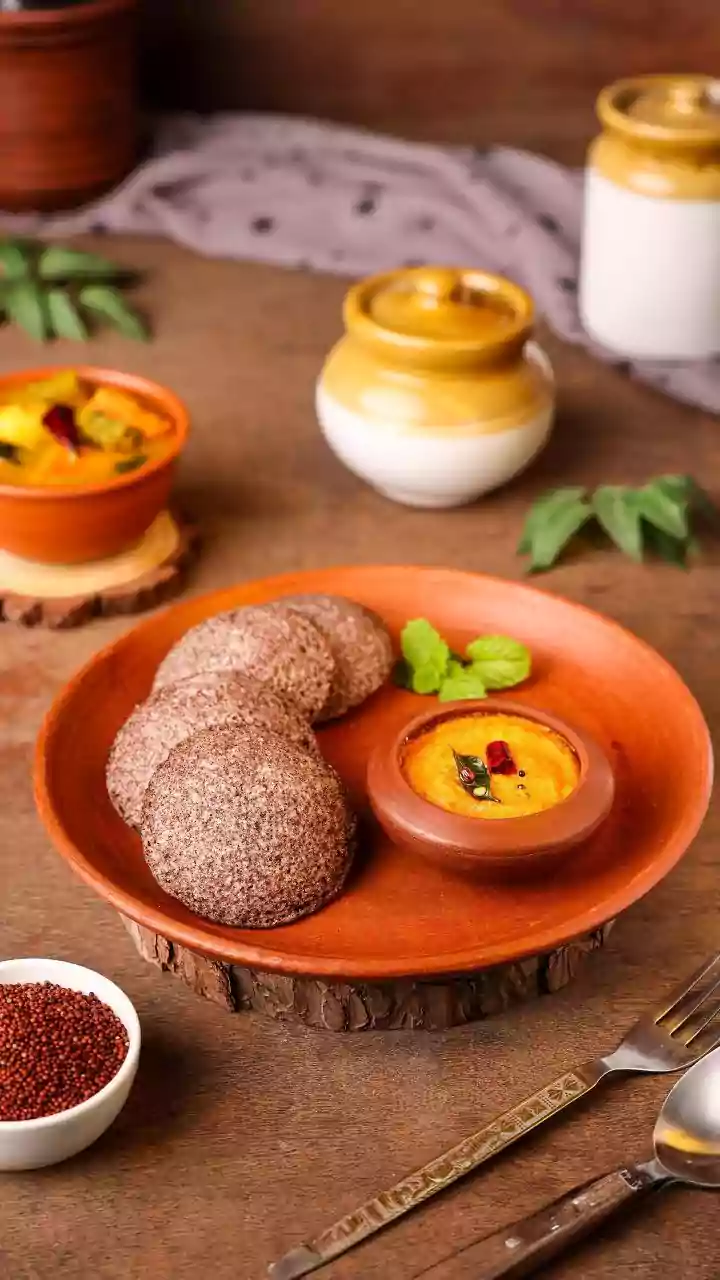
Adopting millets doesn't require a complete overhaul of your kitchen habits. You can start by substituting them for rice in any dish. Foxtail millet, with its light texture, is an almost seamless replacement for rice and pairs beautifully with dal, sambar, or curries. Sorghum can be used as a whole grain in salads or ground into flour for rotis. The key to fluffy, delicious millets is simple: soak them. Soaking millets for at least 4-6 hours before cooking helps soften them, reduces cooking time, and makes their nutrients more easily digestible. A general rule is to use a 1:2 ratio of millet to water (1 cup of millet to 2 cups of water) for cooking on the stovetop or in a pressure cooker. You can start by replacing rice with millets for one meal a day and see how you feel. Your gut will thank you for the upgrade.