




A Return to Mindful Celebrations
Across India, a growing consciousness about environmental impact is reshaping how people celebrate. The focus is shifting from opulence to mindfulness, particularly when it comes to food. The idea of a zero-waste festival is gaining traction, moving beyond
token gestures to embrace deeply rooted cultural practices that were inherently sustainable. This movement isn't about diminishing the grandeur of a feast; rather, it’s about enriching it with intention. Consumers are increasingly seeking out traditional, healthy, and convenient options for their festive spreads, indicating a significant change in celebratory attitudes. By looking to the past, many are finding that ancient practices hold the key to a greener future, proving that sustainability and celebration can go hand-in-hand.
The Timeless Wisdom of Banana Leaves
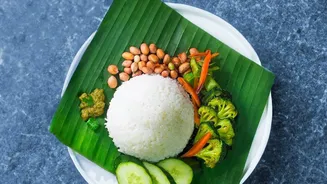
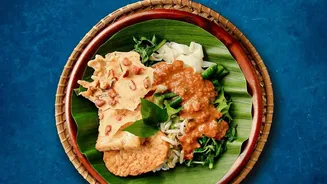
At the forefront of this trend is the humble banana leaf, a traditional serving platter making a major comeback. Long used in South Indian sadhyas and other cultural meals, the banana leaf is the ultimate eco-friendly disposable plate. It is fully biodegradable, decomposing quickly without harming the environment, unlike plastic or styrofoam plates that linger for centuries. Beyond its green credentials, the banana leaf is also hygienic; its natural waxy coating requires only a simple rinse, ensuring a clean surface free from chemical residues that might remain on washed plates. When hot food is served on it, the leaf releases polyphenols, natural antioxidants also found in green tea, which are absorbed by the food. It also imparts a subtle, fresh aroma, enhancing the overall flavour and experience of the meal.
Championing Regional and Organic Produce
Alongside eco-friendly tableware, there is a powerful movement towards using regional and seasonal organic produce. After a period where exotic ingredients were prized, consumers are now looking closer to home. There is a growing awareness of where food comes from, leading to increased support for local farmers and producers. This shift is driven by a desire for fresher, more flavourful food and a conscious effort to reduce the carbon footprint associated with transporting ingredients over long distances. The Indian market for organic products is expanding significantly, with consumers showing a clear preference for desi oils and locally grown staples. Planning a festive menu around what’s in season not only guarantees better taste but also aligns with ancient wisdom that valued eating in harmony with nature's cycles.
How to Plan Your Sustainable Feast
Adopting this trend is more accessible than it sounds. Start by planning your menu around seasonal vegetables and fruits available in your local market. This reduces food miles and supports community farmers. When serving, opt for banana leaves, which can be easily sourced in many parts of the country. If banana leaves aren't available, other biodegradable options like plates made from sal or palm leaves are excellent alternatives. Be mindful of portion sizes to minimise food waste. Any leftovers can be creatively repurposed for the next day's meal, and vegetable scraps can be used for compost. For decorations, choose natural materials like flowers, clay lamps, and cloth buntings over single-use plastics. By making these small but significant choices, you contribute to a celebration that is both beautiful and responsible.