






The Health Imperative: You Are What You Cook
The most immediate and significant benefit of cooking at home is the direct control it gives you over your health. Restaurant and processed foods are often loaded with sodium, sugar, unhealthy fats, and preservatives to maximize flavour and shelf life.
Studies have consistently linked diets high in ultra-processed foods to an increased risk of obesity, type 2 diabetes, heart disease, and other chronic conditions. When you cook, you control the ingredients. You choose the type and amount of oil, the quantity of salt, and the source of your produce. This can lead to a significant reduction in calorie intake without feeling deprived. For example, an average restaurant meal can contain over 1,200 calories, far exceeding the recommended amount for a single sitting, whereas homemade versions are often substantially lighter. Cooking at home is associated with a higher intake of fruits and vegetables and better overall diet quality. This control is crucial for managing weight, supporting your immune system, and improving energy levels and sleep. In essence, cooking moves you from being a passive consumer to an active participant in your own well-being.
An Economic Shield in Your Kitchen
Beyond the health benefits, cooking competence offers a powerful buffer against rising living costs. The difference in price between a home-cooked meal and its restaurant or delivery equivalent is stark. Ordering a meal can be up to five times more expensive than making it yourself. A meal for one can cost between ₹400-₹600 when ordered in, while the ingredients for a similar home-cooked meal often cost a fraction of that price. This is because the cost of a restaurant meal includes not just the food, but also labour, rent, and delivery fees. These savings accumulate rapidly. Consistently choosing to cook at home can save a family thousands of rupees each month, money that can be redirected toward savings, investments, or other financial goals. Furthermore, cooking at home empowers you to manage your food budget more effectively. It encourages meal planning, buying in bulk, and using leftovers, all of which stretch your grocery budget and reduce impulse spending. In a world of economic uncertainty and inflation, the ability to produce delicious, affordable meals at home is not a luxury—it is a fundamental pillar of financial resilience.
A Powerful Stand Against Waste
The convenience of food delivery and pre-packaged meals comes with a significant environmental price tag: waste. Food packaging is a massive contributor to plastic pollution, with a huge percentage ending up in landfills and oceans. Takeaway orders often involve single-use plastics, from containers and cutlery to sauce packets, many of which are difficult to recycle and can contain harmful chemicals. Cooking at home directly combats this issue. By buying whole ingredients with minimal packaging, you drastically cut down on the amount of plastic waste your household generates. Moreover, home cooking is a key strategy in the fight against food waste. When you plan meals and cook for yourself, you are more likely to use up ingredients before they spoil and find creative ways to repurpose leftovers. This is critical, as a significant portion of food purchased by households is ultimately thrown away, wasting not only the food itself but also the resources—water, energy, and land—used to produce it. Viewing your ingredients as a valuable resource that you've invested in fosters a mindset of conservation that benefits both your wallet and the environment.
Beyond the Plate: The Joy of Creation
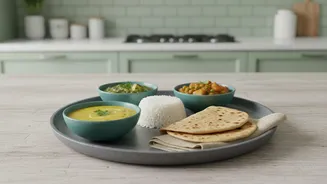
The benefits of cooking extend beyond the tangible. The act of preparing a meal can be a form of self-care and a powerful stress reliever, offering a creative and mindful escape from a busy day. It connects us to our food, our culture, and the people we share it with. In India, where the concept of 'ghar ka khana' (home-cooked food) holds deep emotional and cultural value, many are turning this skill into a source of income, launching home-based food businesses that cater to a growing demand for authentic meals. Learning to cook is not about achieving culinary perfection overnight. It's about starting small, mastering a few favourite dishes, and building confidence one meal at a time. It’s a skill that, once developed, pays lifelong dividends—fostering independence, creativity, and a deeper connection to your health and the world around you.