





What Exactly Is Fluted Glass?
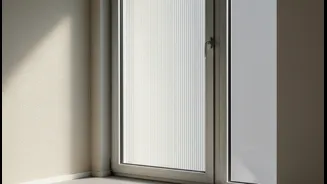
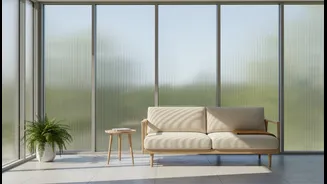
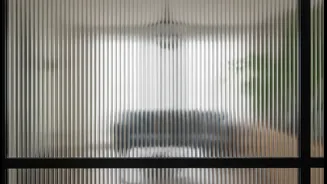
Fluted glass, also known as reeded or ribbed glass, is a type of textured glass defined by its vertical grooves. These grooves, or 'flutes', are pressed into the semi-molten glass during manufacturing, creating a beautiful, rhythmic pattern. With roots
in the Art Deco and mid-century modern movements, this glass was historically used in decorative pieces and cabinetry. Today, it’s being rediscovered by architects and interior designers for its unique ability to blend form and function, adding texture and character to contemporary spaces. Its distinctive look offers a more dynamic appearance than standard frosted glass, playing with light in a captivating way.
The Perfect Balance of Privacy and Light
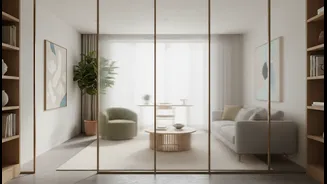
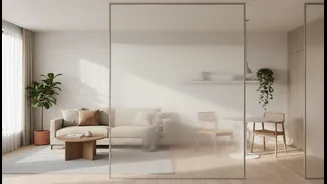
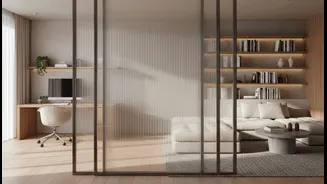
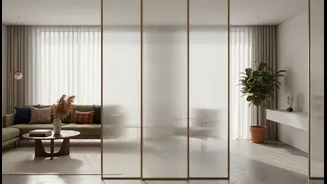
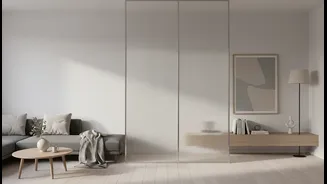
One of the biggest reasons for fluted glass’s resurgence is its masterful handling of light and privacy. In compact urban homes where space and natural light are precious commodities, this is a game-changer. The glass allows light to flow freely between rooms, making spaces feel brighter and more open. At the same time, the vertical ribs distort the view, providing a functional layer of privacy without creating solid, light-blocking walls. Silhouettes and movements are visible, but sharp details are obscured. This makes it an ideal choice for areas like home offices, bathroom doors, and partitions between a living area and a kitchen, where you want separation without sacrificing an airy, connected feel.
From Partitions to Pocket Doors: Modern Applications
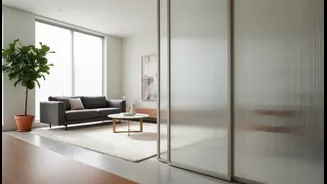
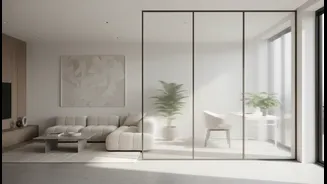
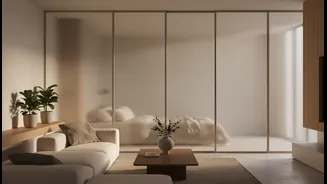
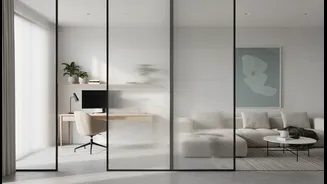
The versatility of fluted glass is a key part of its 2026 trend status. Designers are moving it beyond traditional cabinet fronts and using it in larger, more architectural applications. Full-height partitions are a popular choice for zoning open-plan layouts, creating distinct areas for living, dining, or working while maintaining visual connection. Sliding and pocket doors featuring fluted glass panels are another stylish solution, perfect for concealing a utility area or separating a bedroom from a walk-in wardrobe. In bathrooms, it's appearing as elegant shower screens that feel spa-like and sophisticated. Even kitchen cabinetry is getting a modern update, with fluted glass doors that cleverly hide clutter while adding a touch of texture.
Why It Works in Compact Indian Homes
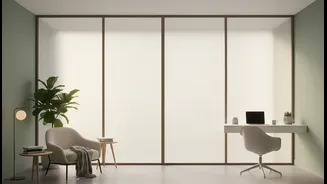
The benefits of fluted glass are particularly relevant for modern Indian homes. Many urban apartments contend with limited square footage and a need for multi-functional spaces. Fluted glass partitions can create a separate pooja space or a home office nook within a larger room without building bulky walls. The vertical lines of the glass also create an illusion of height, making ceilings feel higher and rooms seem more expansive—a clever visual trick for smaller areas. Furthermore, its ability to diffuse harsh sunlight into a soft, ambient glow is perfect for creating a serene and inviting atmosphere, turning a functional material into a key decorative element.
Styling and Pairing Fluted Glass
Incorporating fluted glass is surprisingly adaptable to various decor styles. It pairs beautifully with matte black or bronze metal frames for a chic, industrial look that is very much on-trend. For a warmer, more organic feel, it can be set within natural wood frames. While the glass itself is a statement, it doesn't overwhelm a space. It works to complement other materials like marble, stone, or smooth laminates by adding a layer of tactile interest. Beyond its beauty, fluted glass is also a practical choice. It's durable, often available in tempered options for safety, and its textured surface is more forgiving than clear glass when it comes to hiding watermarks and fingerprints, making it relatively low-maintenance.